D-Day From the Perspective of a P-51 Mustang Pilot
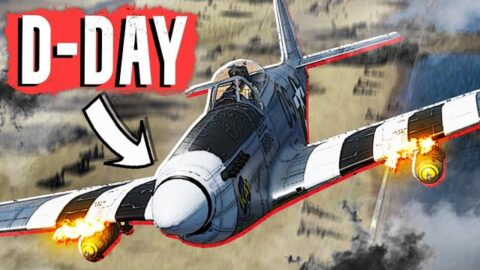
YouTube / TJ3 History
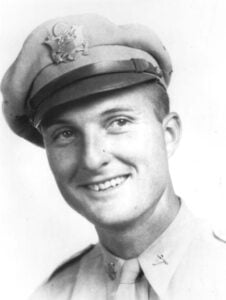
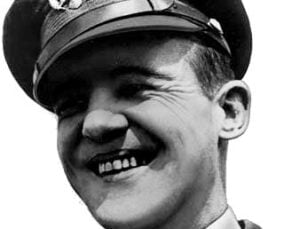
During the days leading up to June 6, 1944, airfields across southern England operated under an air of quiet urgency. Briefings emphasized the protection of the invasion force above all else. Mustang pilots were expected to intercept German aircraft, suppress enemy movement, and remain on station for extended periods as Allied troops landed on the Normandy beaches below. For pilots like Ed McNeff, this marked a shift from routine escort missions to operations that directly supported the largest amphibious assault in history.
Over the Channel
As squadrons lifted off before dawn, the scale of Operation Overlord quickly became apparent. From the cockpit of a P-51 Mustang, the English Channel appeared packed with ships- an armada stretching to the horizon. Above it all, fighter pilots formed protective screens, fully aware that any breach in air cover could prove catastrophic.
McNeff and his fellow pilots flew toward France knowing that the Luftwaffe, though weakened, remained capable of sudden and violent resistance.
The Skies Above Normandy
Crossing the French coast, Mustang pilots encountered intense anti-aircraft fire, smoke, and the chaos of battle unfolding below. Their primary task was to deny German fighters access to the beaches, but missions often expanded to include strafing runs against enemy positions and transportation targets.
Engagements were typically brief and unforgiving. The emphasis was not on individual victories, but on maintaining constant pressure and control of the airspace. Fuel management, ammunition limits, and flak posed as much danger as enemy aircraft.
Securing the Beachhead
The day after the landings proved just as demanding. On June 7, Mustang pilots returned to the skies to protect the fragile beachhead, escort supply aircraft, and cover advancing Allied forces. German flak intensified as ground defenses became the primary threat.
McNeff’s missions during this period reflected the broader role of Allied fighter pilots- persistent presence rather than dramatic dogfights, ensuring that German forces could not regroup or counterattack effectively.
The Role of the P-51 Mustang
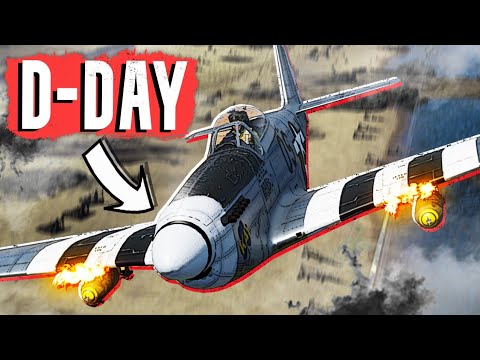
The P-51 Mustang was ideally suited for D-Day operations. Its speed, range, and high-altitude performance allowed pilots to remain over the battlefield for extended periods. For the 355th Fighter Group, the Mustang provided the endurance needed to patrol Normandy continuously, a factor critical to the invasion’s success.
Pilots like McNeff relied on the aircraft’s capabilities while facing constant risk from ground fire and mechanical failure.
Legacy of the Missions
D-Day marked a turning point in the war, and the air operations above Normandy were essential to that success. While the soldiers on the beaches bore the most visible burden, the fighter pilots overhead played a quieter but equally vital role.
Ed McNeff’s experience represents that broader story. His participation in the D-Day missions illustrates how individual pilots, flying single-engine fighters high above the invasion, helped secure air superiority and shape the outcome of the war in Europe.