On This Day (2010): WASP Pilot Mildred “Micky” Axton, First Woman to Fly a B-29, Passed Away
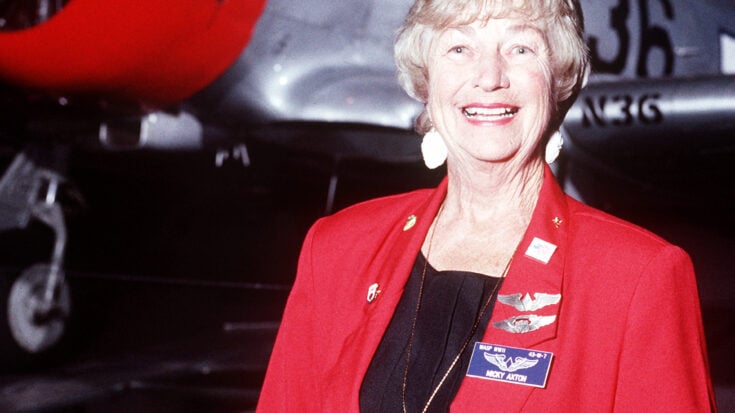
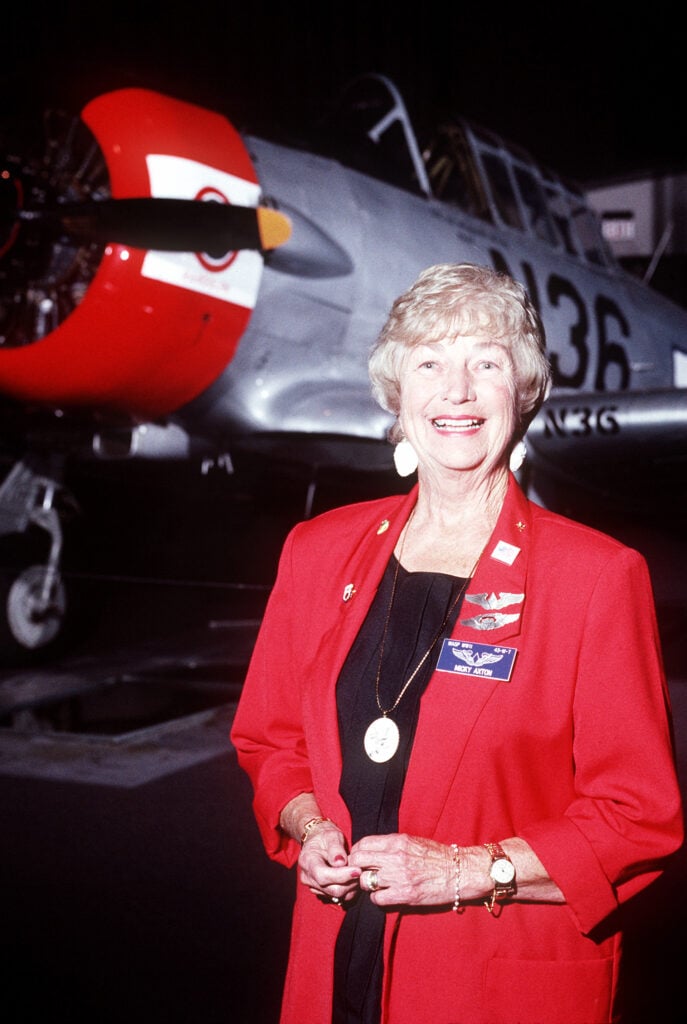
United States Department of Defense, Public domain, via Wikimedia Commons
On February 6, 2010, Mildred “Micky” Axton died at the age of 91 in Eden Prairie, Minnesota, after a brief illness. Axton was a pilot with the Women Airforce Service Pilots during World War II and later worked as a flight test engineer. In May 1944, she became the first woman to pilot a Boeing B-29 Superfortress, one of the largest bombers used in the war. Her life reflects the changing role of women in American aviation and the service they gave during difficult times.
Early Life and Interest in Flying
Mildred Darlene Tuttle was born on January 9, 1919, in Coffeyville, Kansas, to Beatrice Fletcher Tuttle and Ralph Tuttle. As a child, she had her first airplane ride at about age eleven when a neighbor who was part of a barnstorming flying group took her up in a biplane. That early experience sparked her interest in flying.
She graduated from Field Kindley High School in 1936 and later studied math and chemistry at Coffeyville Community College. In 1940, she earned a teaching certificate from Kansas State University. Around the same time, she joined the Civilian Pilot Training Program at Coffeyville and became the only woman in her class to earn a pilot’s license.
Entering the WASP Program
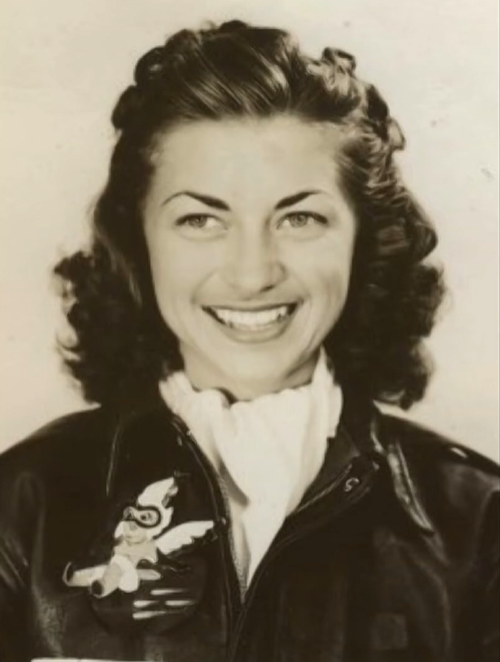
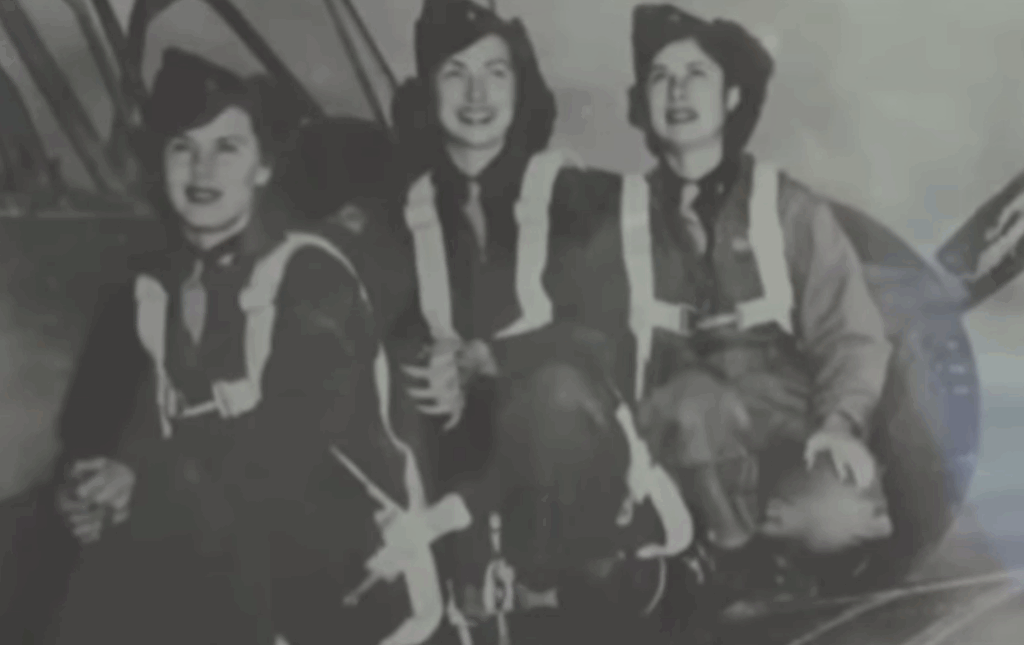
After the United States entered World War II, the Women Airforce Service Pilots (WASP) program was formed to train women to fly military aircraft to support the war effort. In 1943, Axton applied, passed the physical exam, and began flight training with the WASP at Avenger Field in Sweetwater, Texas. She graduated from training and was assigned to Pecos Army Air Field in Texas, where she worked as a flight test engineer.
At Pecos, she checked aircraft such as B-20s, B-25s, B-26s, and B-29s to ensure they were safe for service. These duties required careful flying, precise systems knowledge, and a steady approach to evaluation work. Axton’s performance during this period marked her as one of the most skilled pilots within the WASP ranks.
Historic Flight as First Woman to Fly B-29
In 1944, Axton left the WASP program when her mother became ill and she needed to care for her young daughter. She then took a position with Boeing Aircraft in Wichita, Kansas, as a flight test engineer. It was here that she reached the milestone for which she is best known.
On May 4, 1944, Axton was one of nine crew members aboard the B-29 Superfortress known as “Sweet Sixteen,” the 16th of the new bombers coming off the Wichita assembly line. During the test flight, the chief flight engineer asked her if she wanted to fly the bomber. She moved to the pilot’s seat and flew the aircraft for approximately 20 to 25 minutes, becoming the first woman to pilot a B-29.
The B-29 and Its Place in Aviation
The B-29 Superfortress was a four-engine heavy bomber that had been developed to fly long distances with high payloads. It was one of the most advanced aircraft of its era, designed for strategic operations in the Pacific theater. Test flights like the one Axton took part in helped engineers and crews understand how the aircraft handled and how best to prepare it for service.
While Axton’s flight did not involve combat, it showed that women pilots could handle highly complex aircraft under real test conditions. Her experience contributed to a broader shift in how women were viewed in aviation training and support roles during the war.
Life After War Service
After the war, Axton continued working with aircraft and then moved into education. Between 1958 and 1969, she taught subjects including biology, general science, aeronautics, and debate at East High School in Wichita, Kansas. She also became an active member of the Commemorative Air Force, a group dedicated to preserving historic aircraft and remembering aviation history.
Axton’s contributions were recognized in several ways. The Commemorative Air Force Jayhawk Wing in Wichita restored a Fairchild PT-19 and named it “Miss Micky” in her honor. In 2009, members of the WASP, including Axton, were awarded the Congressional Gold Medal by the United States government for their service during World War II.
Final Years and Legacy
Mildred “Micky” Axton lived her final years in Minnesota, sharing her story and taking part in aviation events. Her life reflected dedication to flying, to her country’s needs during World War II, and to passing on knowledge to others. She died on February 6, 2010, leaving a clear mark on the history of American air service and the role of women within it.