The Forgotten Story of Elsie MacGill, the Polio-Stricken Engineer Who Built Hurricanes Against All Odds
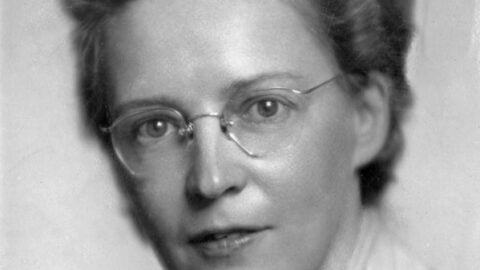
Elsie Gregory MacGill / Library and Archives Canada, Public domain, via Wikimedia Commons
Early Life
Elsie Gregory MacGill was a remarkable Canadian engineer whose work helped shape the Allied aircraft production during the Second World War. Born in Vancouver in 1905, she grew up in a family that believed in education and public service. Her mother had been a leading figure in law, and this example encouraged Elsie to look beyond the expectations for women at that time. In 1923, she enrolled in engineering studies at the University of Toronto, where she became the first woman in Canada to earn a degree in electrical engineering.
After graduating in 1927, MacGill continued her studies in the United States. She enrolled in the University of Michigan’s aeronautical engineering program, and in 1929 she earned her master’s degree in that field, becoming the first woman in North America, and likely the world, to do so. Shortly before completing her degree, she contracted polio, which left her temporarily paralyzed from the waist down. Against medical expectations, she worked on regaining some ability to walk and used canes for support throughout her life.
Rising in Aviation
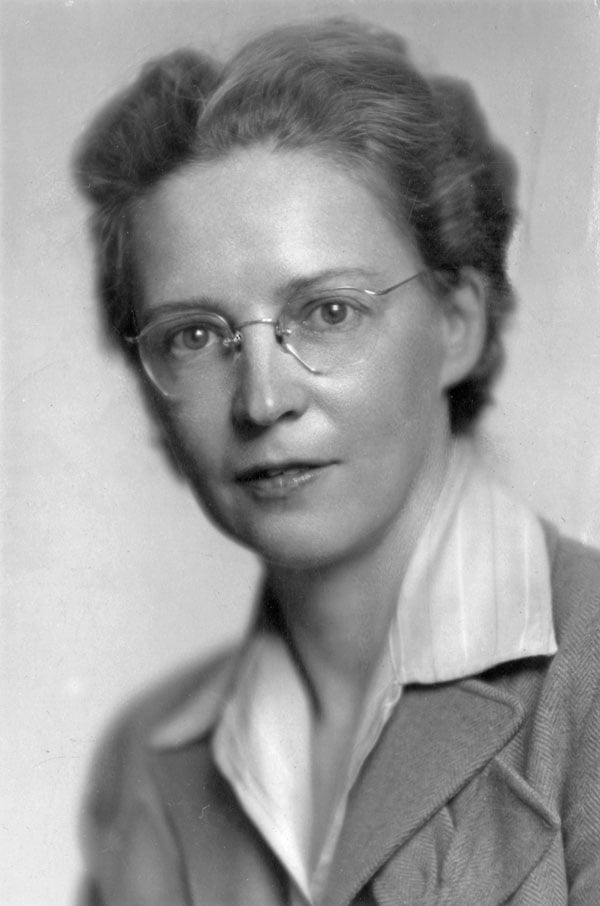
MacGill’s early career took her into aircraft design and analysis. In 1934, she worked as a stress analyst and aeronautical engineer with Fairchild Aircraft in Quebec. Her work there included designing components and participating in test flights of aircraft she helped engineer. In 1938, she was made chief aeronautical engineer at Canadian Car and Foundry (Can Car) in Fort William, Ontario, becoming the first woman in the world to hold such a position.
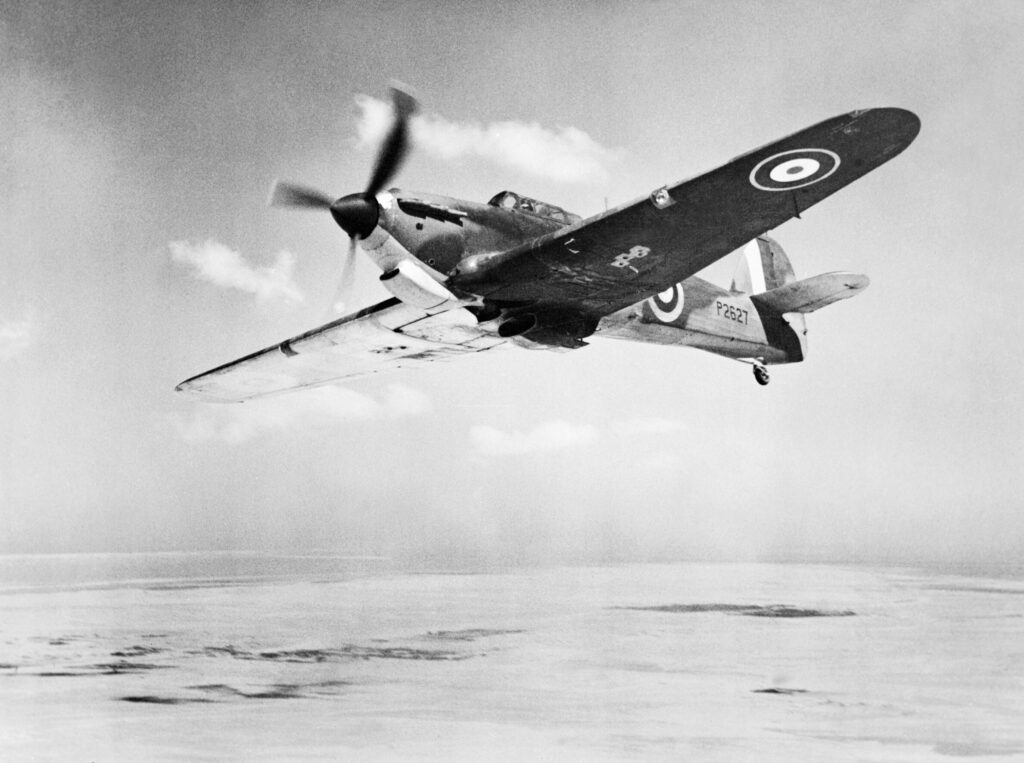
At Can Car, she first led the design of the Maple Leaf II trainer, which may still be one of the only aircraft completely designed by a woman. When the Second World War began, the British government contracted Can Car to produce Hawker Hurricane fighter aircraft for the Royal Air Force. Under MacGill’s technical direction, the factory was reorganized and retooled to manufacture these fighters on a large scale.
Hurricane Production During World War II
As chief engineer, MacGill oversaw the production of the Hawker Hurricane, a key fighter aircraft used by Allied air forces in many theaters of the war. The Hurricane was already a proven design, but Birds Car’s role was to build large numbers of them under wartime demand. She introduced production methods that helped scale the workforce from a few hundred workers to several thousand. Many of those workers were women entering industrial roles for the first time, reflecting the broader social change taking place during the war.
In addition to managing the assembly line, MacGill designed cold‑weather modifications that allowed Hurricanes to operate in harsh winter conditions. These changes included systems to keep control surfaces clear of ice and helped ensure that the aircraft could serve effectively in northern climates. By the end of her time at Can Car in 1943, the factory had produced more than 1,400 Hurricanes, a significant contribution to Allied air power.
Legacy and Later Career
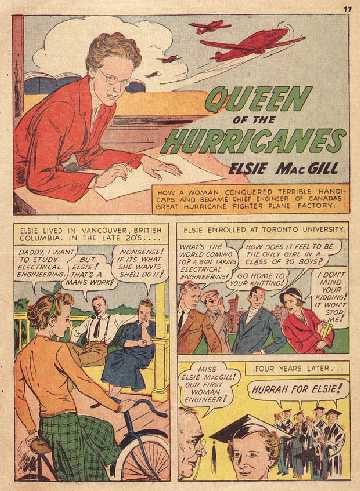
The success of the Hurricane production earned MacGill the nickname “Queen of the Hurricanes,” a title popularized in North American media during the war. Though she never sought celebrity, the name reflected both her technical skill and leadership during a critical period. After leaving Can Car, she and her husband ran a consulting engineering business in Toronto and worked on aviation safety standards for civilian aircraft at the International Civil Aviation Organization.
MacGill also became an advocate for women in engineering and in the workforce more broadly. In 1967 she was appointed to the Royal Commission on the Status of Women in Canada, helping to shape future policies on equality and workplace rights. She earned many honors for her work, including the Order of Canada and medals from professional engineering organizations.
Impact and Memory
Although she faced barriers due to her gender and her disability, MacGill’s achievements in aircraft design and production helped change the way people viewed women in fields like engineering. The Hurricanes built under her supervision served in major combat operations, and her work influenced both military and civilian aviation standards. Her story continues to be shared in museums, documentaries, and heritage projects, reminding people that determination and skill can open doors and inspire future generations.