How U.S. Wildcats Used the “Matchstick Trick” to Take Down Japanese Zeros in WWII
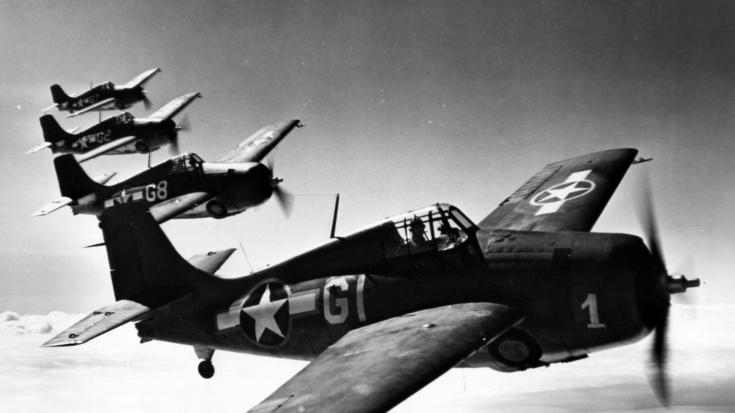
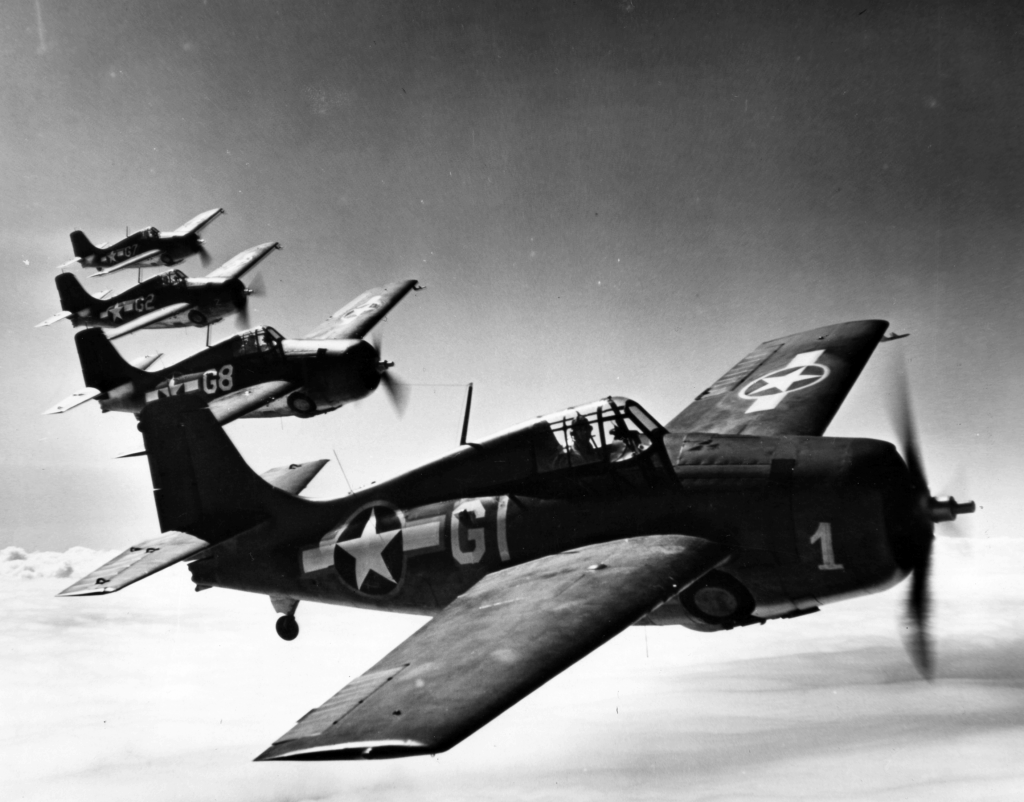
US Navy, Public domain, via Wikimedia Commons
Early Air Combat Shock
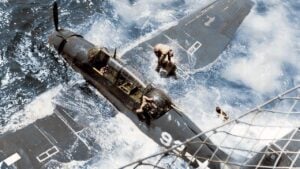
At the start of World War II in the Pacific, American pilots quickly learned how dangerous the Mitsubishi A6M Zero could be. The Zero was light, fast, and able to turn sharply, giving it a clear edge in close air combat. Many U.S. Navy pilots flying the Grumman F4F Wildcat felt outmatched the moment combat began. The Wildcat was sturdy and well armed, but it was heavier and slower, with a wide turning circle that left it vulnerable.
Early encounters showed a clear pattern. When Wildcat pilots tried to fight Zeros one on one, they often lost. Japanese pilots used their aircraft’s agility to get behind American planes and stay there. Losses mounted, and confidence suffered. It became clear that new engines or weapons would not arrive fast enough to fix the problem. Survival depended on a different way of thinking.
A Tactical Problem and a Simple Idea
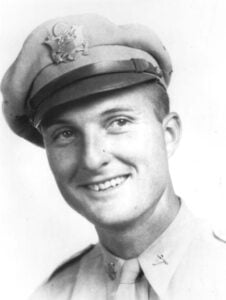
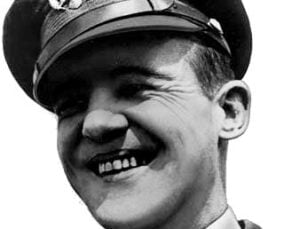
Commander John “Jimmy” Thatch understood that the Wildcat could not win by copying how the Zero fought. Instead of chasing tighter turns, he focused on teamwork. He believed that two or more aircraft working together could protect each other in ways a single pilot never could. This idea went against the strong belief in individual skill that shaped early air combat training.
To explain his idea, Thatch used matchsticks on a table. He placed them to represent aircraft moving toward each other, then showed how two planes could weave back and forth while staying close. If an enemy followed one plane, the other would cross into position and fire. The idea was simple enough to remember and practice, which mattered in combat.

The Thatch Weave in Practice
The maneuver became known as the Thatch Weave, though pilots often called it the matchstick trick. It required discipline, timing, and trust between pilots. Two Wildcats flew parallel paths, turning toward each other in a steady rhythm. Neither plane tried to break away alone. Their strength came from staying together.
When four Wildcats flew the weave as a group, the effect grew stronger. Each aircraft covered the others, creating overlapping zones of fire. A Zero pilot trained to chase a single target often followed one Wildcat too closely. When that happened, another American plane moved into position and opened fire. The Zero’s speed became a weakness instead of an advantage.
First Combat Results
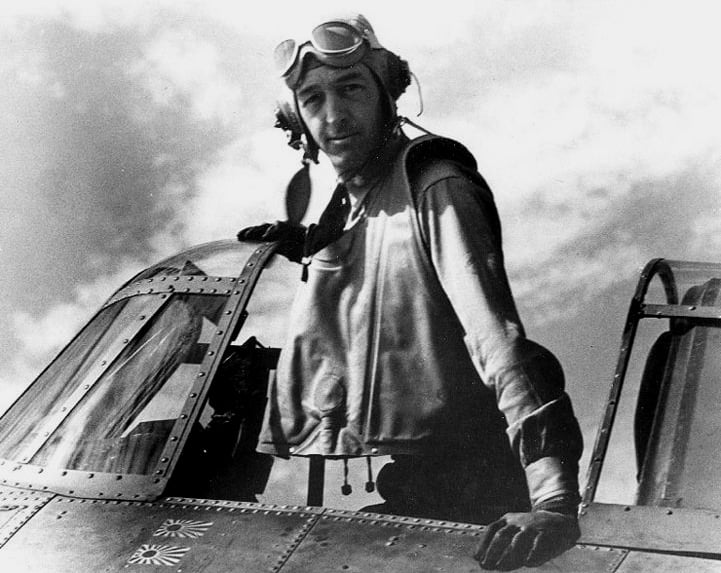
The first real tests came during intense battles over the Pacific. Japanese pilots attacked with confidence, expecting the usual results. This time, the Wildcats held formation instead of scattering. Their movement looked predictable, but it was deliberate. When a Zero committed to an attack, it entered a trap.
Several Zeros were shot down in quick succession. The sudden losses caused confusion among Japanese pilots. They began to hesitate, unsure which Wildcat to pursue. This hesitation gave American pilots precious seconds. Those seconds often meant the difference between escape and destruction.
Spreading the Lesson
News of the maneuver spread quickly through U.S. Navy units. Training changed to emphasize formation flying and mutual support. Pilots were taught that survival depended on staying with their wingman. Lone attacks were discouraged, no matter how skilled a pilot might be.
Japanese pilots noticed the shift. Wildcats were no longer easy targets. Attacks became more costly, and confidence faded. Some Japanese pilots began avoiding tight formations of Wildcats, which reduced their control of the airspace. The balance in the sky began to change.
Lasting Impact on Air Warfare
The matchstick trick did not rely on better aircraft. It relied on communication and shared responsibility. Even average pilots could use it effectively if they trusted each other. Later fighters were faster and stronger, but the lesson remained important.
Historians have noted that this change saved many lives. Aircraft could be replaced, but trained pilots were hard to replace. Thatch later said the solution came from need, not brilliance. By the time newer American fighters appeared, the fear surrounding the Zero had already faded, reshaped by teamwork and clear thinking.