Why U.S. Pilots Started Shutting Down Their Engines in Midair
YouTube / Untold War Archives
A Fuel Crisis Over the Pacific
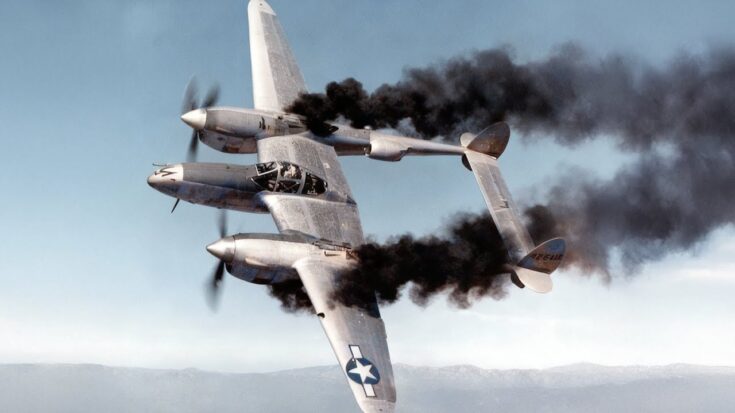
By mid-1944, the P-38 Lightning was flying missions no fighter had been designed to handle. In the vast Pacific, distances mattered more than speed. Pilots routinely spent six to seven hours over open water, pushing fuel margins to the breaking point. Many never made it back – not because of enemy fire, but because their tanks ran dry.
Standard Army Air Forces doctrine demanded high RPM and rich fuel mixtures. Manuals warned that anything else would destroy engines. Over-square operation – high manifold pressure with low RPM – was considered reckless and dangerous. Every pilot followed those rules because survival depended on them.

Then, on July 1, 1944, four P-38s landed at Hollandia after a long mission. Three arrived nearly empty. The fourth still carried over 200 gallons of fuel.
Charles Lindbergh Challenges Doctrine
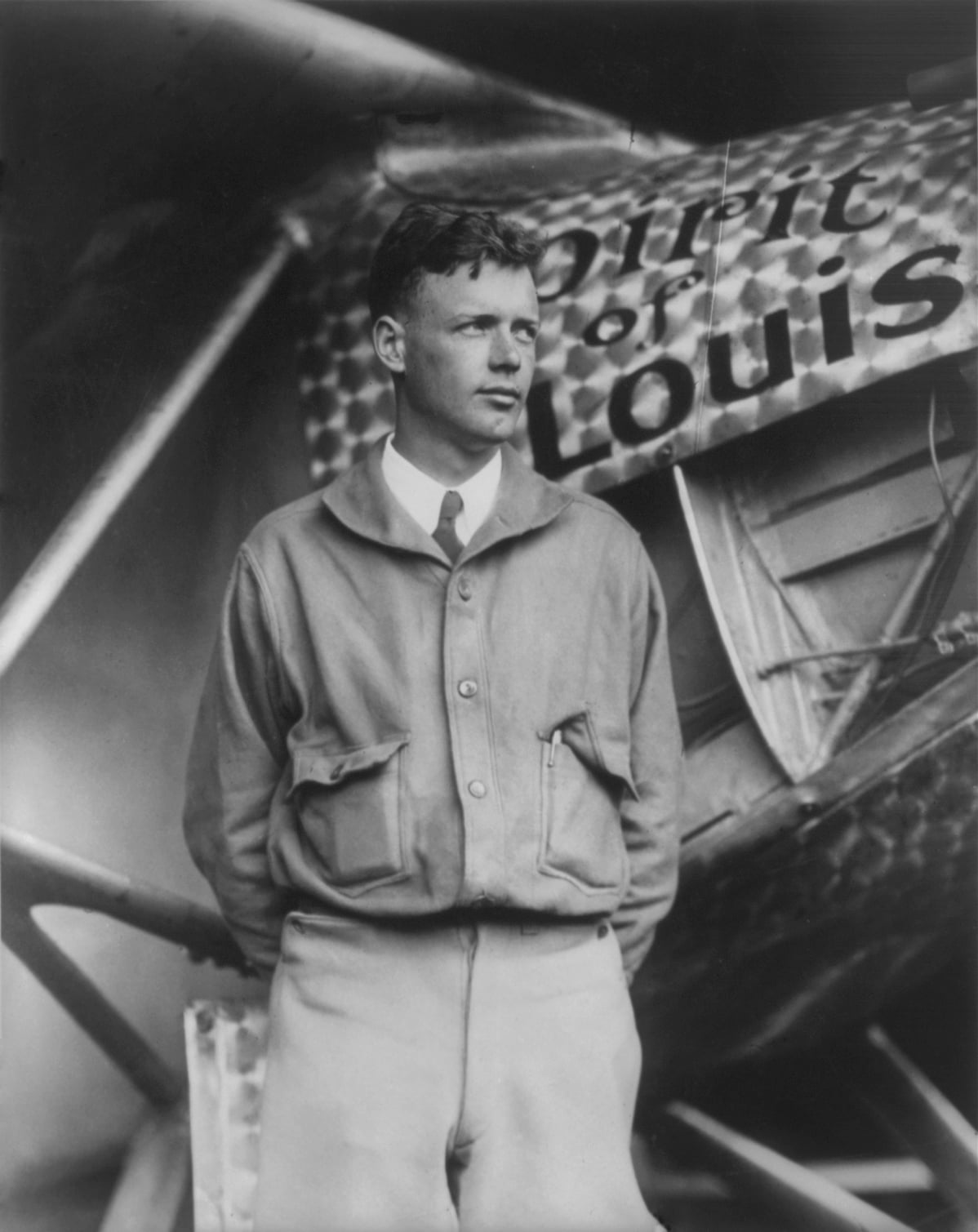
The pilot was a 42-year-old civilian: Charles Lindbergh.
Lindbergh had spent decades flying long-range aircraft where efficiency mattered more than raw power. After observing P-38 operations, he believed American pilots were burning fuel unnecessarily. His proposal was simple and deeply controversial: reduce RPM, lean the mixture, and slightly increase manifold pressure.
Pilots were told this would cause detonation and engine failure. Lindbergh argued the opposite. Lower RPM reduced mechanical stress, leaned mixtures lowered fuel burn, and proper manifold pressure preserved power. On paper, it sounded like engine abuse. In practice, it promised massive fuel savings.
Proving It in Combat
Lindbergh did not argue theory. He flew combat missions with the 475th Fighter Group and demonstrated the technique himself. At cruise, his P-38 burned roughly 70 gallons per hour instead of over 100. Airspeed remained the same. Engine temperatures stayed normal.

During combat engagements, he advanced power as required, then returned to efficient cruise settings. After missions that left other pilots nearly dry, Lindbergh landed with fuel to spare – often 30 percent more than anyone else.
Ground crews inspected his engines repeatedly. They found no damage. In fact, wear was often lower than aircraft flown under standard settings.
A Quiet Revolution in the Sky
Skepticism faded quickly. Pilots began testing the technique. Results were consistent. Combat radius expanded from about 570 miles to over 700 miles. Missions once considered impossible became routine. Eight- and nine-hour sorties were suddenly survivable.
By late 1944, Lindbergh’s methods were standard across P-38 units in the Pacific. Manuals were rewritten. Training programs changed. Fuel starvation losses dropped sharply.

The P-38 did not gain new tanks or engines. It gained understanding.
Sometimes, winning a war meant using less power, not more.