The Tactic that Killed P-51 Mustang Pilots
YouTube / TJ3 History
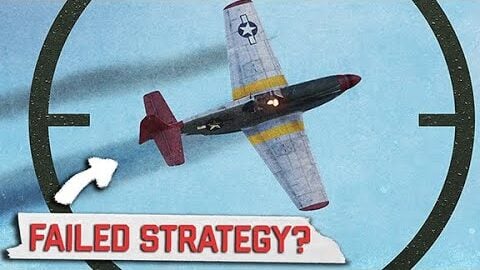
By early 1944, the P-51 Mustang had begun to transform the air war over Europe. With its long range and high performance, it allowed the Eighth Air Force to escort bombers deep into Germany. This solved one of the biggest problems of the strategic bombing campaign. Yet a shift in tactics soon placed Mustang pilots in far greater danger than many expected.

A New Mission for Escort Fighters
Before 1944, American escort fighters were ordered to stay close to bomber formations. Their role was defensive, protecting the bombers from German interceptors. That changed when Major General Jimmy Doolittle took command of the Eighth Air Force.
Doolittle introduced a more aggressive strategy. Fighter pilots were now allowed to leave the bombers and hunt targets of opportunity. This included strafing trains, vehicles, and eventually German airfields. At the same time, the destruction of the Luftwaffe became a priority ahead of the planned invasion of Normandy.

Pilots were encouraged to attack enemy aircraft wherever they found them. Aircraft destroyed on the ground were counted the same as aerial victories. This decision pushed many pilots toward low-level attacks.
The Danger of Strafing Airfields
German airfields were among the most heavily defended targets in Europe. Anti-aircraft guns surrounded runways, hangars, and dispersal areas. Unlike Luftwaffe fighter units, these flak crews had gained experience and remained highly effective.
For Mustang pilots, this created a serious problem. The P-51 used a liquid-cooled engine. A single hit to the cooling system could force the aircraft down within minutes. In contrast, aircraft like the P-47 Thunderbolt could absorb far more damage.

Despite this, pilots were ordered to press these attacks. The results were immediate. Within weeks, leading Eighth Air Force aces were lost or captured while strafing airfields. Even successful missions often came at a high cost.
Losses That Changed the Air War
By mid-1944, it became clear that flak posed a greater threat than enemy fighters in many situations. Mustang units suffered steady losses during low-level attacks. Some estimates suggest that anti-aircraft fire accounted for more P-51 losses than air-to-air combat by the end of the war.

These operations did damage German aircraft and infrastructure. However, Germany continued producing fighters in large numbers. The real shortages were trained pilots and fuel, not airframes.
Lasting Consequences
The strategy achieved its immediate goal. The Luftwaffe was weakened ahead of D-Day, reducing its ability to challenge Allied air superiority. From a strategic standpoint, the decision made sense given the information available at the time.
After the war, however, the rules changed. Victories against aircraft on the ground were no longer counted toward ace status. This decision reduced the official tallies of many pilots who had risked their lives in these missions.