






The Most Feared Plane of WWII That Terrified Everyone Except the Enemy
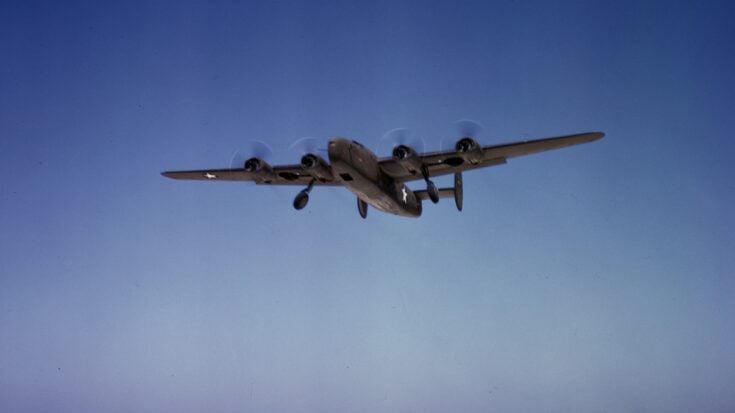
Howard R. Hollem, Public domain, via Wikimedia Commons
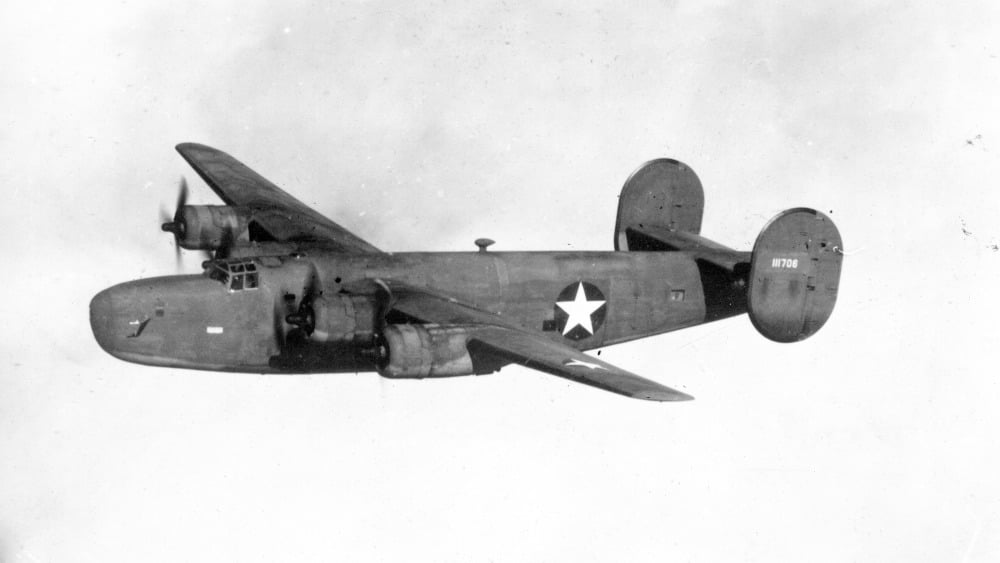
In the skies of World War II, one transport plane earned a reputation for danger as much as for duty. The Consolidated C-87 Liberator Express was meant to carry men, supplies, and hope across hostile or remote areas — but its design and handling problems turned each flight into a risky gamble. The stories of its crashes and the lives lost show why this aircraft was feared by those who flew it, even while it did vital work.
Origins and Role of the C-87
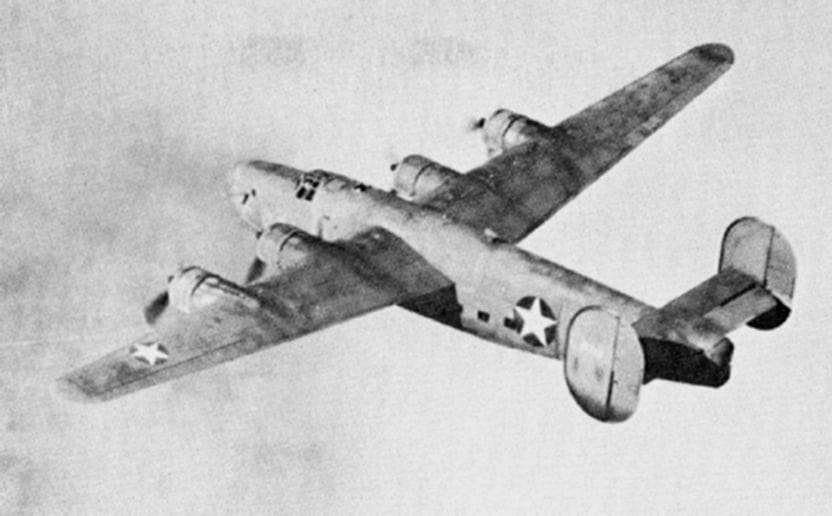
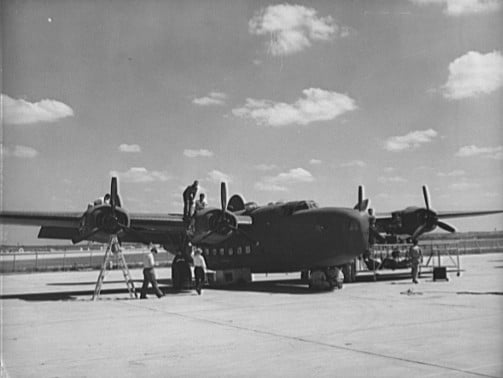
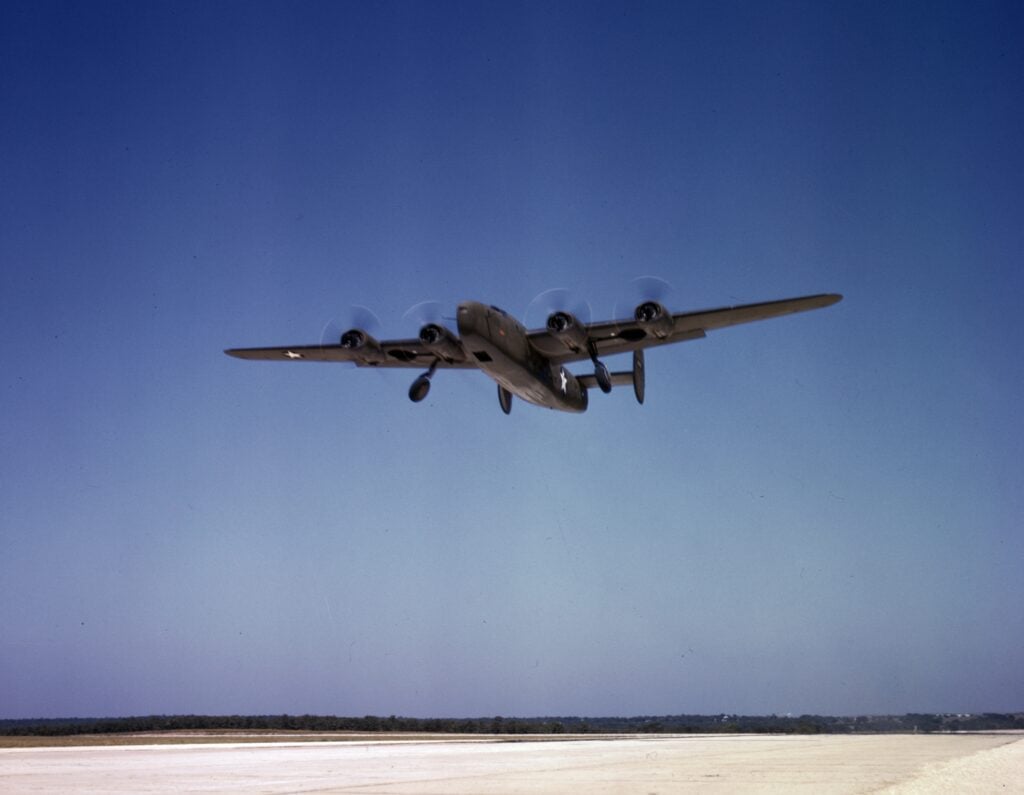
The C-87 was a transport version built from the bomber design of the earlier B-24. The idea was to convert bombers into long-range transports for cargo and personnel. On paper, the C-87 offered range, speed, and a big load capacity. It helped move critical supplies across large distances, including flights over mountain passes, remote islands, or oceanic routes.
Yet the conversion from bomber to transport came with serious design compromises. The original bomb racks and bays remained in place, and the structure was not optimized for different types of cargo loading. That meant if the load was placed poorly, the center of gravity could shift dangerously. Pilots described the plane as unstable under those conditions.
Frequent Crashes Across Routes
Because of these weaknesses, the C-87 gained a grim record. One of the worst accidents occurred on January 18, 1943: a C-87 en route across the Atlantic vanished without trace, killing all 26 people aboard. Neither wreckage nor survivors were found, and only some life vests washed up far from the flight path weeks later.
Another crash happened near Canton Island on February 7, 1943. The aircraft stalled on final approach and plunged into the sea, killing 18 out of 19 onboard. The cause was likely asymmetric flap deployment — an aerodynamic problem aggravated by the aircraft’s poor handling.
More losses followed: a C-87 crashed in July 1944 on approach to a remote island in the Pacific, killing all passengers and crew, including high-ranking officers aboard. Frequent problems included fuel tank leaks that threatened fires, poor nose landing gear strength unsuited for rough runways, and dangerous instability when engines failed or icing conditions appeared.
Why Crews Dreaded the “Sky Beast”
Pilots and crews gave the plane nicknames reflecting their fear: it was called the “Dangerous Sky Beast.” For good reason. Overloading, poor internal design, unstable flight behaviour, and vulnerability to weather and mechanical failure made each mission a test of survival. One former air-cargo pilot recalled that the plane “could not carry enough ice to chill a highball,” referring to its poor performance under even mild icing conditions.
Despite those risks, the C-87 was used wherever other options were limited. It flew long-range cargo missions, remote island resupply runs, and even secret supply routes over difficult terrain. Its Pratt & Whitney engines offered good power and range, allowing flights over challenging routes that slower transports couldn’t manage.
The Cost of Urgency in Wartime Air Transport
The story of the C-87 shows the harsh trade-offs made under wartime pressure. The need for fast, long-range transport forced reliance on a plane that was never ideal for that role. Structural compromises, design flaws, and overburdened crews turned routine flights into hazards. Many losses came not from enemy fire, but from conditions created by the plane itself.
Those who flew in C-87s knew every flight carried risk. Some survived many missions. Others never made it home. The number of hull losses — more than one hundred from 1942 to 1964 — marks the C-87 as one of the most dangerous transport planes of the war.
In remembering those flights, we recognize the quiet bravery of crews who flew under constant danger — not from combat, but from the machine they trusted to carry them across the skies.




.jpg)
