February 12, 1942: Channel Dash Clashes as US Tenth Air Force Is Formed and USS Nevada Rises Again
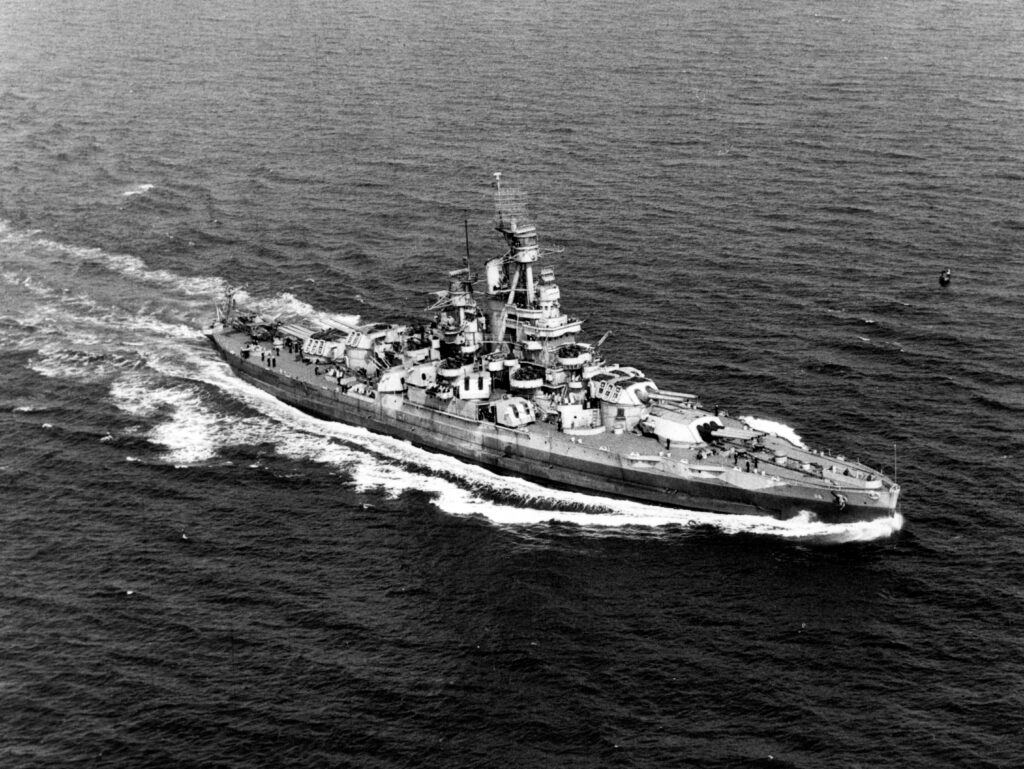
US Navy, Public domain, via Wikimedia Commons
February 12, 1942, was a day that showed how wide the Second World War had become. In Europe, warships raced through narrow seas under heavy attack. In the United States, a new air force command was created for service in Asia. At Pearl Harbor, a damaged battleship slowly returned to life after weeks beneath the water.
These events were not directly linked, yet together they reveal how the conflict stretched across oceans. From the English Channel to the Pacific and on to India, the struggle was expanding in both scale and intensity.
The Channel Dash Through the English Channel
In the early hours of February 12, the German battleships Scharnhorst and Gneisenau, along with the heavy cruiser Prinz Eugen, left Brest in occupied France. Their goal was to sail through the English Channel and reach ports in Germany. The move, known to the Germans as Operation Cerberus, aimed to bring the ships closer to home waters where they could threaten Arctic convoys bound for the Soviet Union.
British radar stations detected the movement, though poor weather and confusion delayed a full response. The Royal Navy and Royal Air Force launched repeated attacks throughout the day. Motor torpedo boats, destroyers, and aircraft struck at the fast-moving formation. Swordfish torpedo bombers from the Fleet Air Arm pressed home a low-level assault against heavy anti-aircraft fire and fighter cover. None of the torpedoes found their mark, and the Swordfish crews suffered severe losses.
Air Losses and Limited Damage
By the end of the day, British forces had lost 42 aircraft in the effort to stop the breakout. German air units, which provided strong fighter protection, lost 17 aircraft. Despite running a dangerous route close to the English coast, the three major ships reached Germany largely intact, though Scharnhorst struck naval mines during the passage and required repairs.
For Britain, the episode was a sharp setback. The presence of powerful enemy ships in the Channel had been a long-standing concern, yet the escape exposed gaps in coordination and response. The dash did not change the overall balance of naval power, but it carried strong symbolic weight at a time when the war’s outcome remained uncertain.
A New Air Force for India and Burma
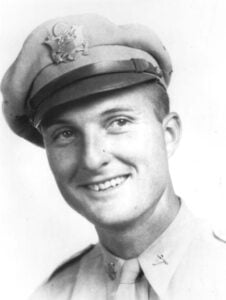
On the same day, across the Atlantic, the United States Army Air Forces activated the Tenth Air Force at Patterson Field, Ohio. Major General Lewis H. Brereton was placed in command. The new organization was intended for service in India, with headquarters later established in New Delhi.
The mission of the Tenth Air Force would soon include support for British and American operations in India and Burma. It also played a role in maintaining supply routes to China after Japanese advances cut off land connections. Air transport, bombing missions, and fighter operations became part of its expanding duties as the campaign in Southeast Asia developed.
USS Nevada Returns to the Surface
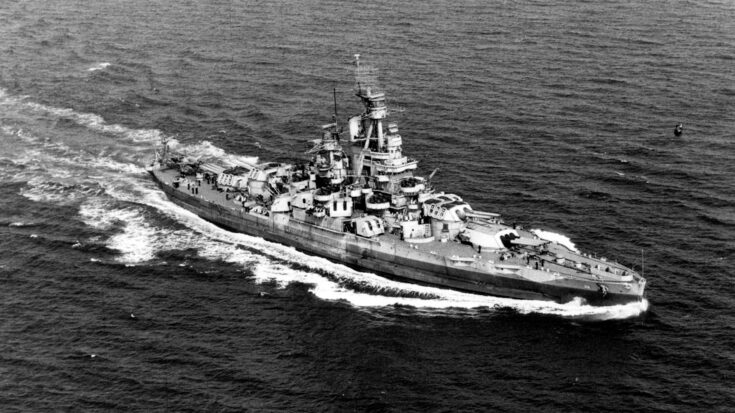
Meanwhile, at Pearl Harbor, the battleship USS Nevada was refloated on February 12. She had been heavily damaged during the Japanese attack on December 7, 1941. After being struck by torpedoes and bombs, she had been deliberately beached to prevent sinking in deeper water.
Salvage crews worked for weeks to patch holes, pump out flooded compartments, and restore basic stability. Refloating the ship marked a major step in recovery efforts at Pearl Harbor. Later in 1942, Nevada would sail to Puget Sound Naval Shipyard in Washington State for full repairs and modernization.
From Pearl Harbor to Normandy
Repairs transformed the aging battleship into a more effective support vessel, with improved anti-aircraft defenses and updated equipment. After returning to service, Nevada took part in operations in both the Atlantic and Pacific theaters. Her guns would later fire in support of Allied landings in Europe.
On June 6, 1944, she bombarded German positions during the Normandy landings. The ship that had once burned in the waters of Hawaii thus became part of the force that helped open a western front in Europe. February 12, 1942, therefore stands as a date that linked struggle, recovery, and preparation across distant battlefields.