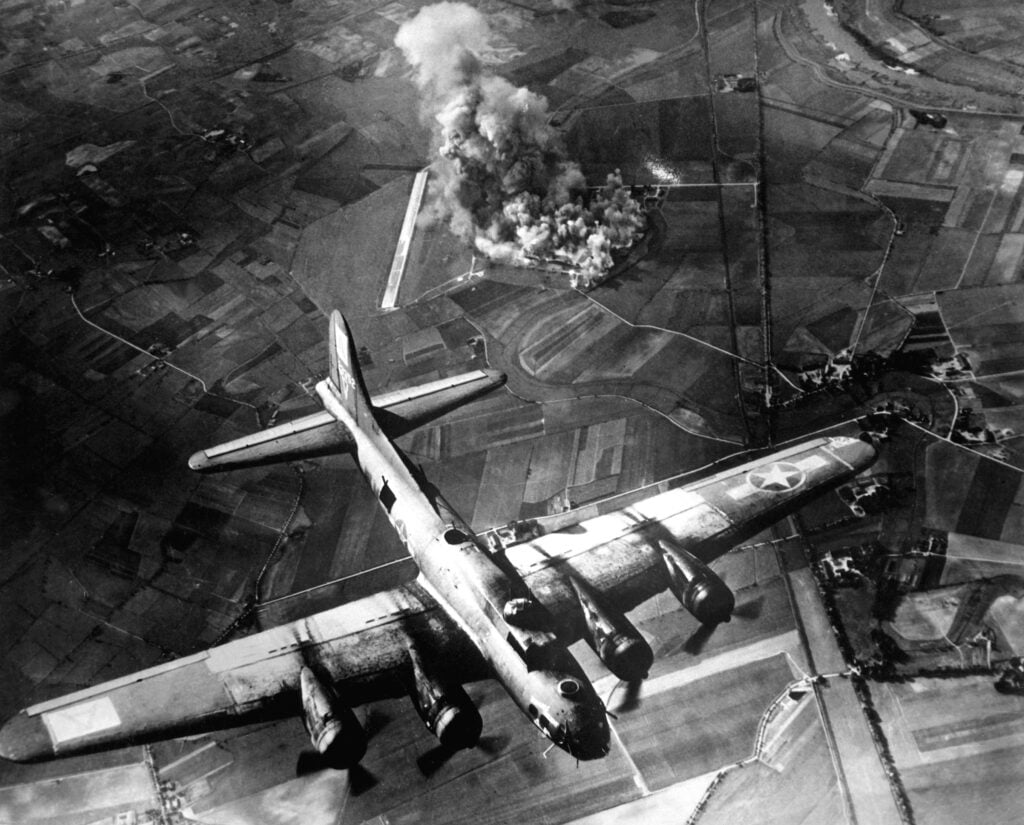
February 20, 1944: Operation Argument “The Big Week” Begins — 1,000+ Bombers Strike Germany
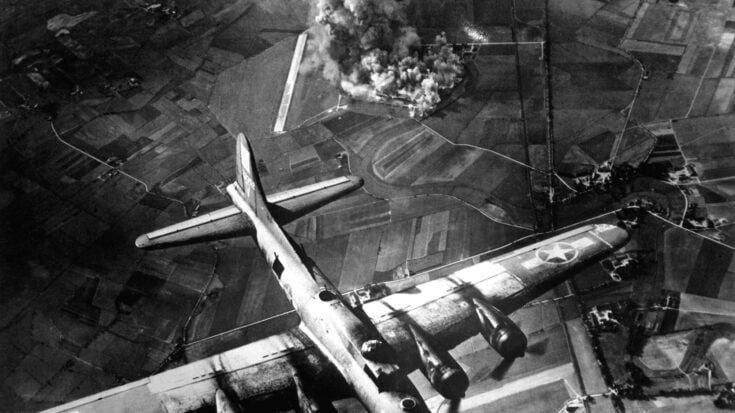
NARA FILE #: 208-YE-7, Public domain, via Wikimedia Commons
Planning the Offensive
On Feb. 20, 1944, Allied air forces began a major operation against German aircraft production that would last six days. This campaign, called Operation Argument but better known as “Big Week,” was part of a larger Combined Bomber Offensive to weaken Germany’s ability to fight in the air before planned ground operations later that year. The effort involved forces from the U.S. Army Air Forces (USAAF) and the Royal Air Force (RAF), with heavy bombers, long-range fighters, and support aircraft striking deep inside German-held territory.
The planning behind Operation Argument was intense. Allied commanders believed that if they could reduce aircraft output and draw German fighters into sustained combat, they could reduce enemy air defenses and open the skies over Europe. This would help Allied ground forces and support the upcoming invasion of France. To reach that goal, commanders put together one of the most concentrated air attacks of the war.
The First Day of Big Week
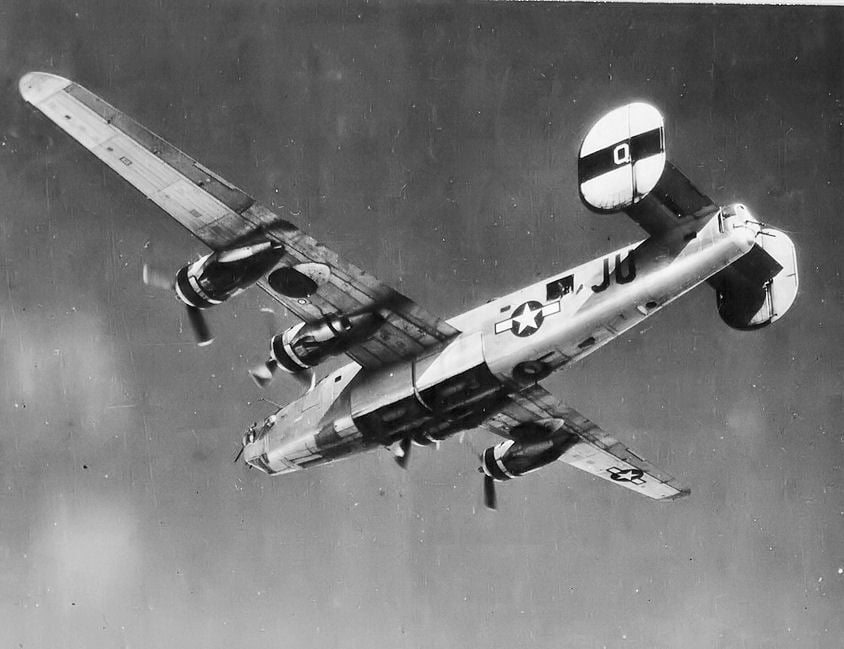
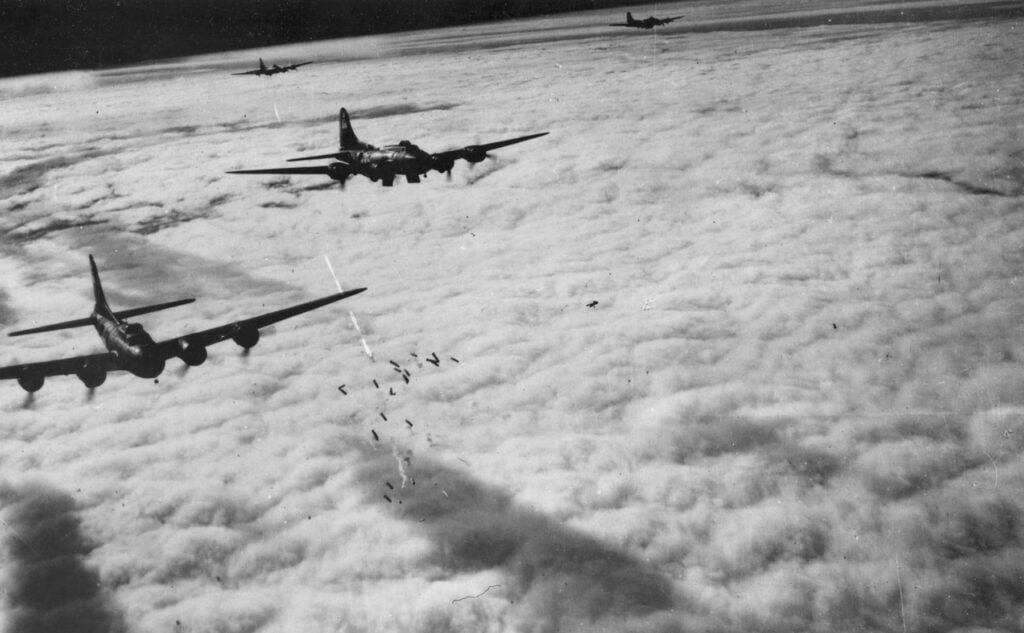
On the morning of Feb. 20, over 1,000 U.S. heavy bombers took off from bases in England, with dozens more coming from airfields in Italy. These aircraft, primarily Boeing B-17 Flying Fortresses and Consolidated B-24 Liberators, carried out strikes against aircraft plants, airfields, and related industry in Germany and occupied territories. Long-range fighters, including P‑51 Mustangs and P‑47 Thunderbolts, flew with the bombers to offer protection against defending fighters.
The first missions targeted multiple locations thought to be key to German aircraft assembly and component production. Bombers hit airframe factories in cities such as Leipzig and Brunswick, as well as engine and parts plants in other areas. The raids took a heavy toll on both sides. Allied bomber losses on the opening day were lower than expected, while German defenders suffered significant losses of aircraft and pilots.
Fighting in the Skies
As the week continued, Allied crews kept up a series of major daytime raids. The RAF Bomber Command joined the effort with night attacks aimed at similar targets, though many were not as well covered by escort fighters. German fighter defenses reacted fiercely. Many intense dogfights took place over the targets and along the bomber routes. These battles saw both sides suffering heavy losses in aircraft and aircrew.
The U.S. Eighth Air Force and Fifteenth Air Force flew thousands of missions during Big Week. By the end of the operation, the USAAF had flown more than 3,300 bomber sorties from England and another 500 from Italy, while RAF Bomber Command flew many more attacks at night against related facilities. Some missions focused on targets in the Ruhr region and other key industrial centers deep inside German-held territory.
Impact on Production and Air Forces
Although German aircraft factories were not completely destroyed, the raids inflicted serious damage and slowed production. Many industrial sites were knocked out of action for weeks, and some machines and buildings were damaged beyond quick repair. More importantly, the continuous sorties over Germany forced defending fighters into combat. German air units lost a large number of aircraft and experienced pilots, losses they were increasingly unable to replace.
Allied losses were also significant. Hundreds of bombers were lost or damaged beyond repair, and thousands of airmen were killed, captured, or wounded over the course of the campaign. Despite these costs, commanders saw Big Week as a turning point in the air war. The operation helped shift control of the skies toward the Allies and weakened German air defenses at a time when Allied control would be critical in the months leading to major ground operations in western Europe.