The Insane Mustang Pilots that Finished Japan
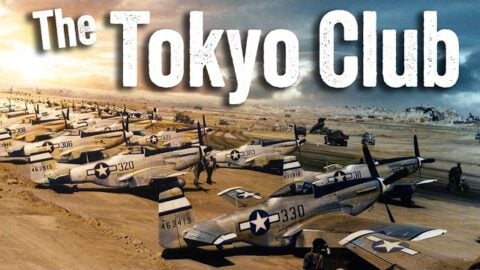
YouTube / TJ3 History
The Long Way to Tokyo
On April 7, 1945, American B-29 Superfortresses headed toward Tokyo at low altitude in daylight, aiming to strike the Nakajima aircraft factory. For the first time in the war, they were not alone. P-51 Mustangs escorted the bombers into Japanese home airspace, marking the debut of American fighters over Tokyo. These pilots would soon earn a name that carried weight across the Pacific, the Tokyo Club.

The mission was made possible by the capture of Iwo Jima just weeks earlier. The island’s airfields barely placed Tokyo within Mustang range, leaving no margin for error. Escort flights stretched beyond eight hours over open ocean, relying on B-29 navigators for guidance. Mechanical failures, fuel shortages, and navigational mistakes often meant death at sea. Conditions on Iwo Jima only added to the strain, as pilots arrived amid ongoing ground combat and constant danger.
First Blood Over the Homeland
As Japanese fighters closed in over Tokyo, the defenders discovered something new. The B-29s now had fast, aggressive escorts. Dogfights erupted across the sky as Mustangs intercepted Ki-44s, Ki-45s, and Ki-61s before they could reach the bombers. The results were immediate. American pilots claimed 26 confirmed victories for the loss of just two Mustangs, while only three B-29s were lost. The strategy worked.

Follow-up missions confirmed it. On April 12, the Tokyo Club again met Japanese interceptors head-on, scoring heavily despite fuel shortages and losses. Major Jim Tap became the unit’s first ace, though victory was often paired with tragedy as engine failures and bailout deaths mounted. These missions were among the longest and most physically punishing ever flown by fighter pilots.
Victory at a Cost
The most intense combat came during large raids over Yokohama and Osaka. Japanese defenses were increasingly disorganized, plagued by poor radar coordination and fractured command between Army and Navy units. The Mustangs exploited this relentlessly, scoring dozens of victories in single missions. Yet the danger never faded. Weather proved deadlier than enemy fighters on June 1, when a massive storm scattered formations and killed 24 pilots without a single enemy shot fired.

As Japan pulled its remaining fighters back for homeland defense, the Mustangs shifted to low-level strafing. They attacked airfields, trains, and shipping with little opposition, but losses continued. Pilots were shot down near shore, killed after bailout, or lost during rescue attempts.
The End of the Rising Sun
In six months of operations, the very long range Mustang units destroyed 452 Japanese aircraft in the air and on the ground. The cost was severe. One hundred thirty Mustangs were lost and 121 pilots were killed or captured. These missions carried higher losses than nearly any other fighter assignment of the war.

They flew farther, endured more, and faced dangers unlike anything seen in Europe. For the men of the Tokyo Club, escorting the bombers that shattered Japan’s remaining defenses marked the final chapter of air combat over the Pacific. Their effort helped bring the war to its close, one brutal mission at a time.