This Mathematician Saved American Bombers in WWII With One Brutal Insight
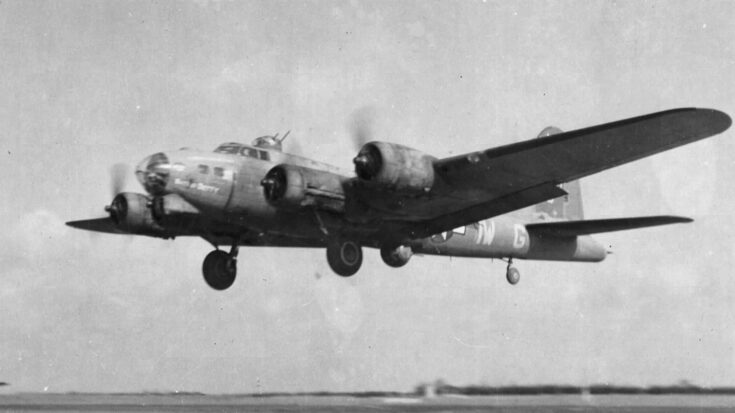
United States Army Air Forces, Public domain, via Wikimedia Commons
In the middle of the Second World War, American air commanders faced a problem that numbers alone could not fix. Bombers were being lost at a pace that crews and factories could not replace. Missions over Europe and the Pacific brought planes home riddled with holes, while many others never returned. To understand why, the military turned to scholars whose work normally stayed far from battlefields.
A Scholar Forced to Flee
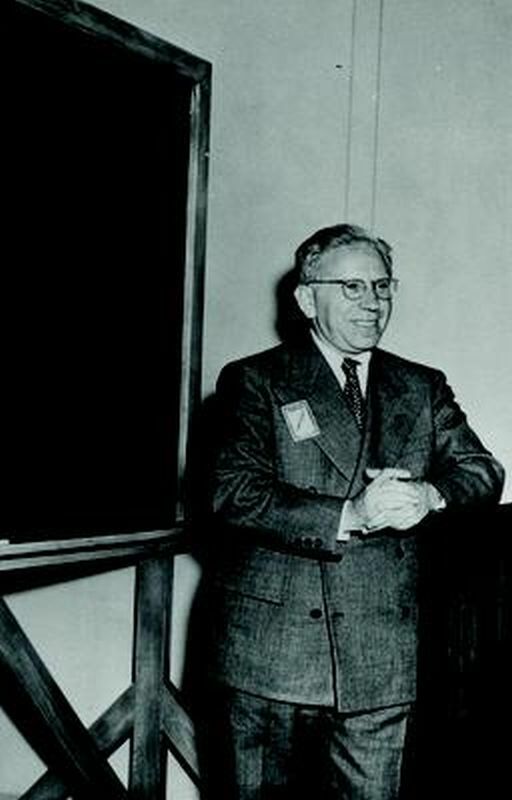
Abraham Wald was born in 1902 in what was then part of the Austro-Hungarian Empire. He trained as a mathematician in Vienna and became known for his work in statistics and economics. By the late 1930s, political changes under German control made life dangerous for Jewish scholars. After Austria was absorbed into Germany in 1938, Wald lost his academic position and faced growing threats.
With help from colleagues, Wald and his family escaped to the United States. He accepted a research post connected to Columbia University, joining a small group of mathematicians tasked with solving wartime problems. This group, later known as the Statistical Research Group, worked closely with the Army and Navy on questions that affected aircraft, weapons, and survival.
Mathematics Enters the War
The American military relied heavily on academic advisers. These researchers studied bombing accuracy, fuel use, and aircraft losses using data collected from combat. Wald’s role was to examine existing practices and find weaknesses that were not obvious at first glance. Though he strongly opposed German rule in Europe, he was still labeled an “enemy alien” on paper, which limited his formal access to classified material.
Despite this odd status, his work was trusted. One of the most urgent issues brought to the group involved bomber losses caused by anti-aircraft fire and enemy fighters. Crews were dying faster than replacements could be trained, and planes were being destroyed faster than factories could produce them.
The Bomber Armor Question
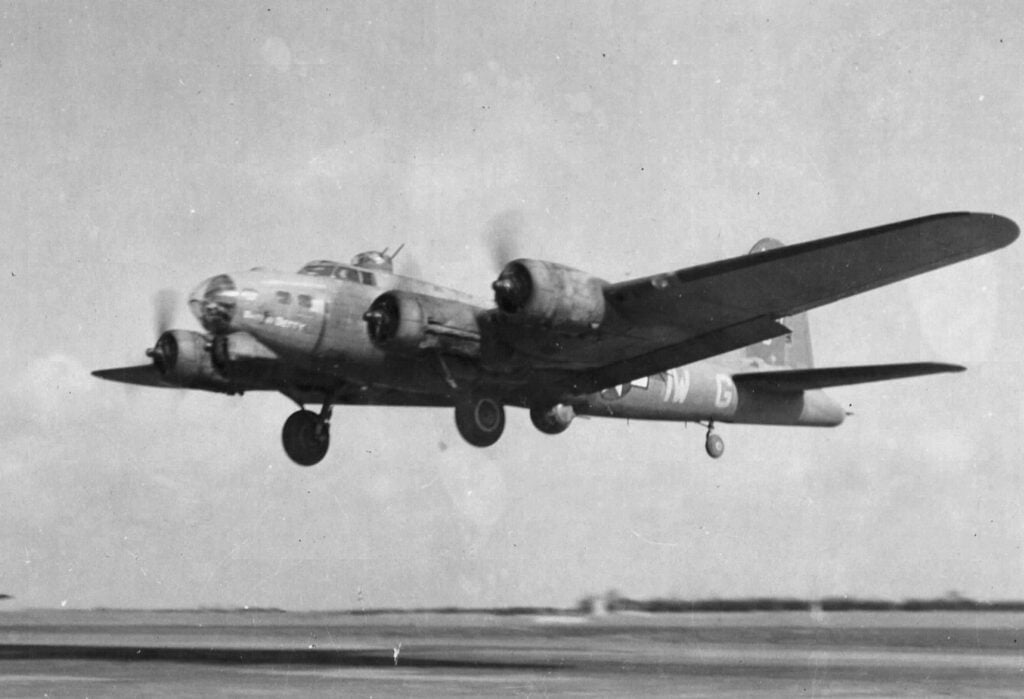
Military analysts gathered data from bombers that returned from missions. Ground crews marked where bullets and shrapnel had struck each aircraft. The resulting charts showed heavy damage on wings, tails, and fuselage sections. Commanders believed the answer was clear. Armor should be added where planes were hit most often.
Weight, however, was a serious concern. Armor reduced speed, range, and climb rate. Too much could make a bomber unable to take off. The task given to Wald’s group was to decide where limited armor would do the most good without overloading the aircraft.
Seeing What Was Missing
Wald noticed a basic flaw in the thinking. The data only came from planes that survived. Aircraft that took hits in certain places never returned, so those holes were never counted. This was an example of survivorship bias, though the term was not widely used at the time.
He explained that areas with many bullet holes were not the weakest parts. They were the parts a bomber could lose and still fly home. The truly vulnerable areas were the ones with little or no damage recorded, such as engines, fuel systems, and crew compartments. Hits there usually meant the plane was lost.
A Simple but Costly Truth
Using probability models, Wald estimated where missing aircraft were likely struck. His findings matched practical experience. A damaged engine often led to loss. A burning fuel tank rarely allowed survival. Wounds to pilots or key crew almost always ended a mission.
Based on his analysis, the military placed armor on engines and other critical systems instead of the most visibly damaged areas. The effect was quick. More bombers returned from missions, and crew losses dropped. This did not decide the war, but it reduced the human cost of air operations.
After the War
Wald continued his academic work after 1945, helping shape modern statistics and decision theory. His wartime papers were studied long after the conflict ended. In 1950, he and his wife were killed in a plane crash while traveling to give lectures in India.
His insight remains a lasting lesson in how evidence can mislead if what is missing is ignored.