

Five WWII Carrier Dive Bombers That Terrified Enemy Fleets
U.S. Navy photo, Public domain, via Wikimedia Commons
During World War II, striking a moving warship was extremely difficult. Bombs dropped from level flight often missed, especially in rough seas. Dive bombing offered a solution by allowing pilots to point their aircraft directly at a target before releasing their weapons at close range.
This method became central to naval warfare. Carrier-based dive bombers turned aircraft carriers into long-range striking tools and changed how fleets fought. Several designs stood out for their impact, reliability, and the fear they caused among opposing sailors.
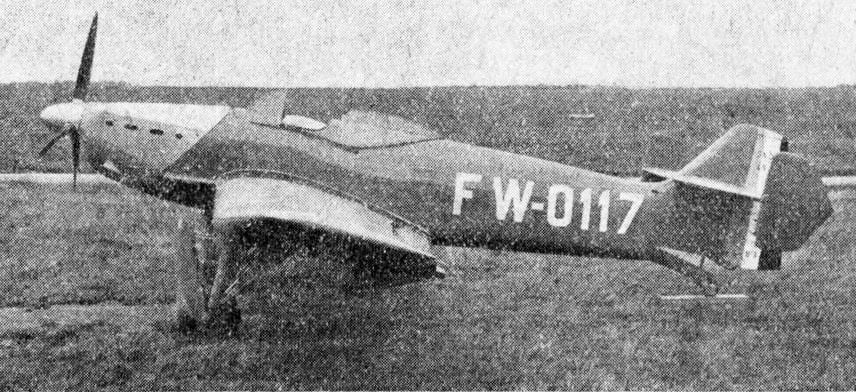
Loire-Nieuport LN.40: France’s Early Attempt
France entered the war with the Loire-Nieuport LN.40, a naval dive bomber meant to serve aboard the carrier Béarn. Introduced in 1939, it reflected French efforts to modernize naval aviation before fighting reached home territory.
In practice, the LN.40 never operated from a carrier during combat. Most were used in ground attacks during the Battle of France, where many were lost to German advances. Though limited in success, the aircraft shows that France recognized the growing value of dive bombers early.
Fairey Barracuda: Britain’s Heavy Hitter
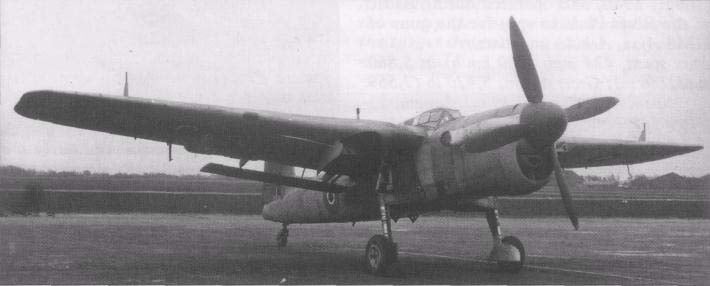
The Fairey Barracuda became the Royal Navy’s main carrier dive bomber and torpedo aircraft. First flying in 1940, it was produced in large numbers and served across Europe, the Atlantic, and the Pacific.
Its most famous action came in 1944, when Barracudas struck the German battleship Tirpitz in Norwegian waters. Operating from British carriers, they helped end a long naval threat without a fleet battle, proving the value of persistent air attack.
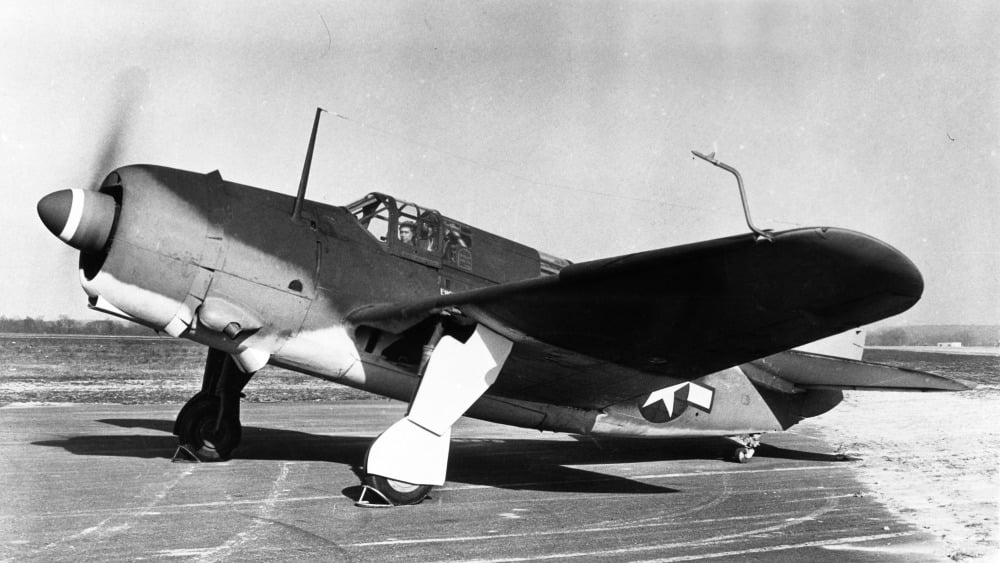
Curtiss SB2C Helldiver: Power Through Numbers
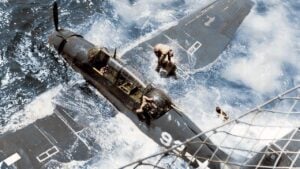
The American SB2C Helldiver faced early problems with handling and production delays. Once corrected, it replaced the earlier Dauntless and became the U.S. Navy’s main dive bomber later in the war.
Helldivers played a major role in attacks against Japan’s largest warships. Massed strikes overwhelmed even the heavily armed Yamato-class battleships, showing that armor and guns could not stop determined carrier air groups.
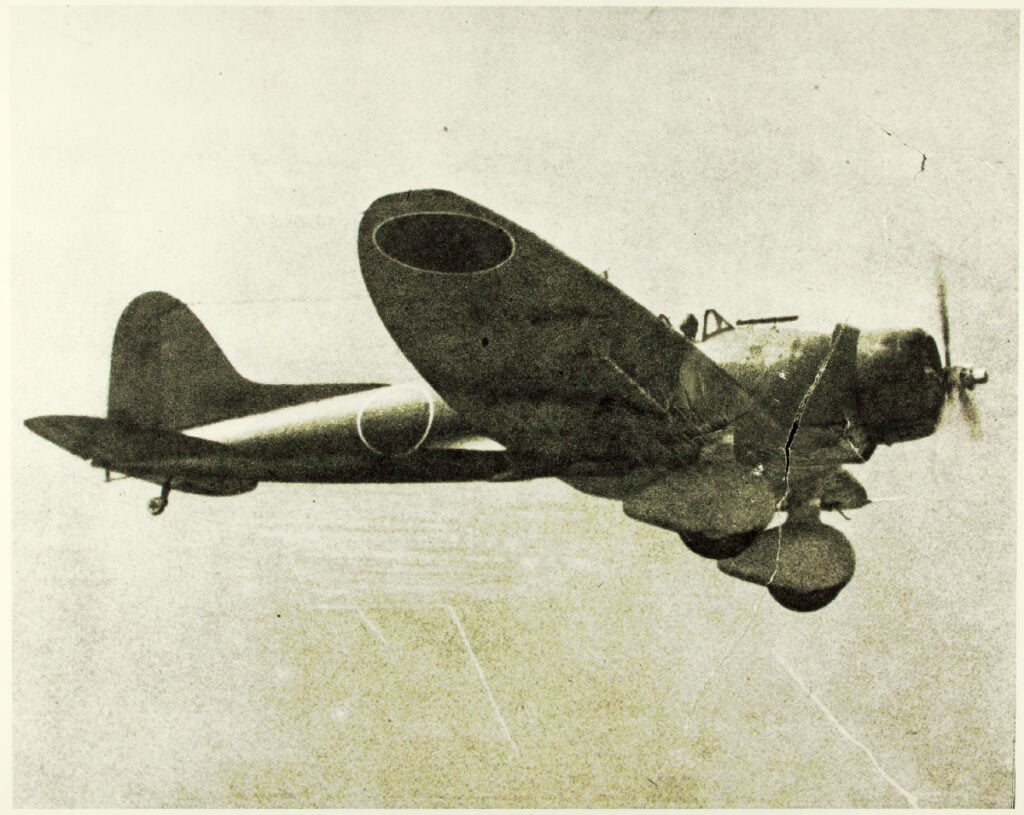
Aichi D3A: Japan’s Main Strike Aircraft
The Aichi D3A was Japan’s primary carrier dive bomber during the early years of the Pacific War. Introduced in 1940, it combined long range with good accuracy and reliable carrier handling.
These aircraft took part in nearly every major Japanese naval action. They sank or damaged multiple Allied carriers and cruisers, making them one of the most effective naval strike aircraft of the conflict.
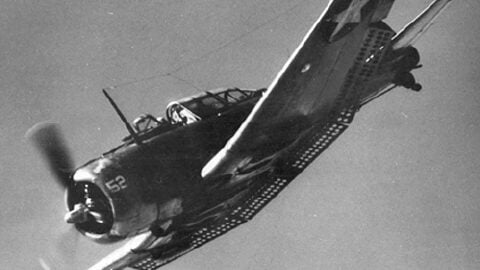
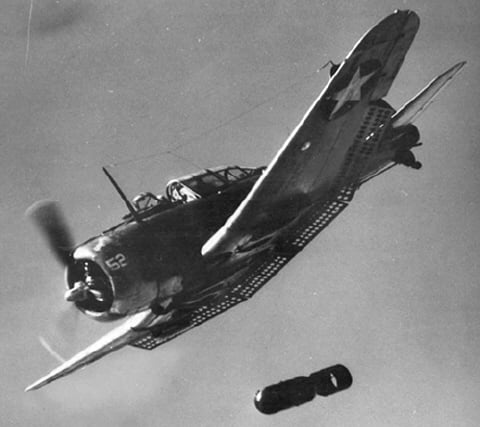
SBD Dauntless: Turning the Pacific Tide
The Douglas SBD Dauntless became the symbol of American naval air power. Entering service in 1941, it carried moderate bomb loads but delivered them with precision and discipline.
At Midway, Dauntless crews destroyed four Japanese carriers in minutes, reshaping the Pacific War. Though later replaced, its early success showed how skill, timing, and design could decide battles at sea.


.jpg)
