How One B-17 Tail Gunner Changed Air Combat Doctrine in 1944
YouTube / WW2 Records
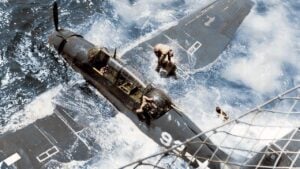
On March 6, 1944, a B-17 Flying Fortress named Hell’s Fury was flying at 23,000 feet over Germany when it was targeted by multiple formations of German Bf 109 fighters. Tail gunners were trained to fire defensively, conserve ammunition, and wait until fighters committed to an attack. Staff Sergeant Michael Donovan ignored that doctrine.

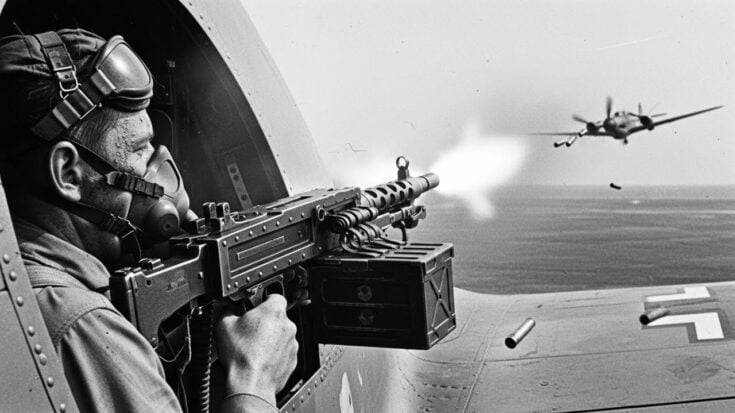
Instead of waiting, Donovan opened fire while German fighters were still forming up. His goal was not immediate destruction but disruption. By firing early at extreme range, he forced attacking formations to scatter before coordinated attacks could begin. When fighters pressed in, he concentrated fire on lead and wing aircraft, breaking formations repeatedly. Over several engagements lasting minutes, Donovan destroyed 12 confirmed fighters and disrupted attacks by dozens more, all while expending his entire ammunition load.

What mattered most was not the number of kills but the effect on enemy behavior. German fighters aborted attack runs, broke formation early, and eventually disengaged entirely. Hell’s Fury completed its mission and returned home despite being isolated and heavily damaged.
The Eighth Air Force studied the engagement closely. Donovan’s approach emphasized initiative, psychological pressure, and focused fire rather than reactive defense. Within months, his methods were formalized into training doctrine. Tail gunner casualty rates dropped significantly, and German fighter attack completion rates fell sharply.

Donovan never flew another combat mission. He spent the remainder of the war training gunners. His tactics shifted the balance from passive defense to active disruption, proving that initiative, even from a defensive position, could decide survival in the air war over Europe.