

The Weirdest Vehicles of World War II — And Why They Existed
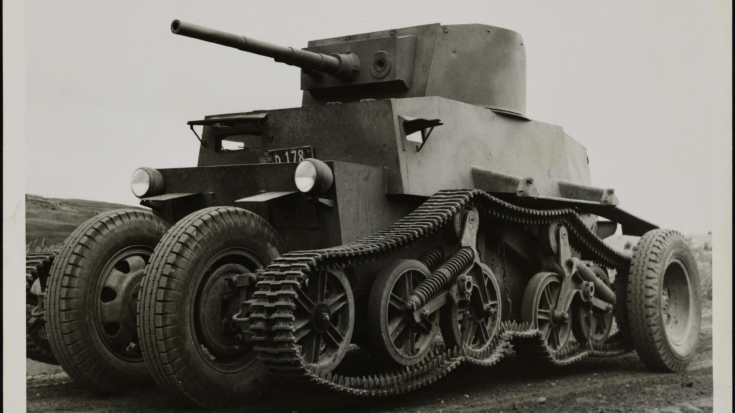
New Zealand Military Forces, Public domain, via Wikimedia Commons
World War II forced nations to rethink how they equipped and moved their forces. Designers and engineers were pushed to explore new ideas while keeping production fast and efficient. This pressure led to some unusual machines, developed in the hope of giving armies a tactical advantage. Not every idea worked, but each prototype shows how wartime innovation often mixed practicality with creativity.
From repurposing existing vehicles to creating entirely new concepts, engineers experimented widely. Some designs became iconic tools for soldiers, while others faded into obscurity. Many were attempts to surprise the enemy or improve mobility, protection, or firepower. Among these, several vehicles stand out for their unusual shapes, unusual mechanics, or unconventional purposes.
Hafner Rotabuggy: Flying Jeeps
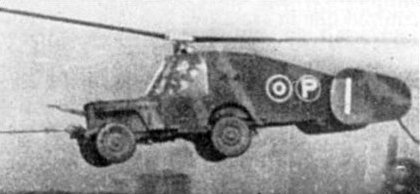
The Hafner Rotabuggy in the United Kingdom aimed to combine airborne delivery with mobility. Engineers attached a rotary wing to a standard Willys Jeep, creating an autogyro capable of slowing its descent when dropped from a plane. The goal was to have paratroopers land behind enemy lines with a ready-to-drive vehicle.
Tests included towing the Rotabuggy to gain lift, but results were disappointing. The design never entered full production because gliders and other delivery methods proved more practical. Despite its failure, the Rotabuggy demonstrated early thinking about rapid deployment and the value of mobility in isolated combat zones.
Praying Mantis: Height Advantage on the Battlefield
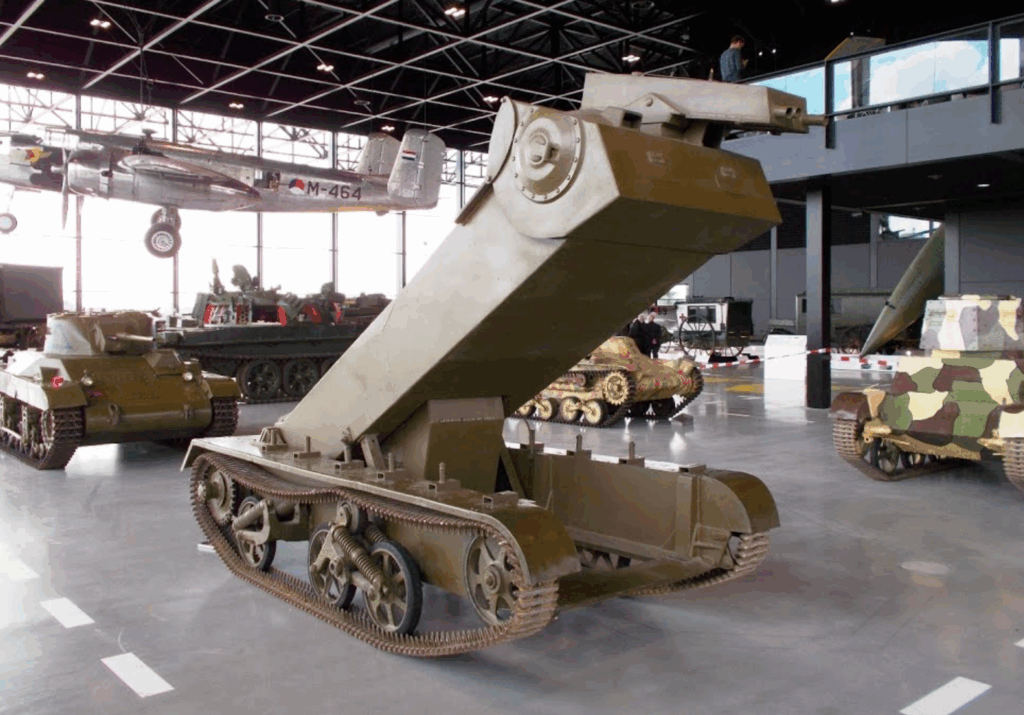
Built on a British Universal Carrier chassis, the Praying Mantis aimed to give troops a high firing position. The vehicle’s gun turret could extend almost twelve feet, allowing the gunner to fire over obstacles while staying out of immediate danger. The driver sat at the front, controlling movement while the gunner operated the turret with foot controls.
However, the design had flaws. The turret’s recoil caused severe swaying, making the vehicle difficult to operate and leaving crews nauseated. Controls were complicated, and stability issues prevented it from leaving the testing stage. Though it never saw combat, the Praying Mantis influenced future armored designs that combined height with protection more effectively.
Fordson Armored Car: Recycling the Old and New
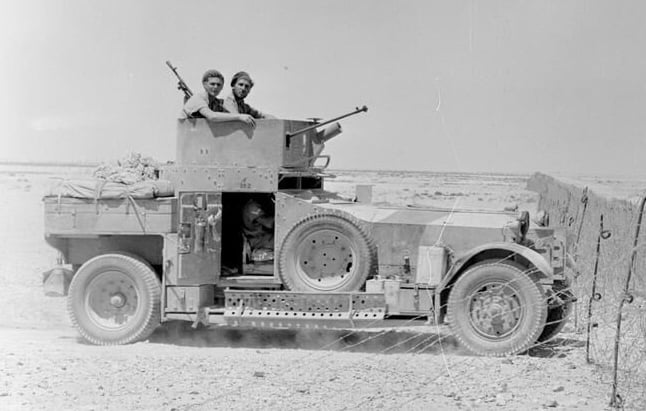
In Egypt, 1940, engineers fused armored bodies from old Rolls-Royce vehicles onto heavy-duty Fordson truck chassis. This created a vehicle that looked like a relic from World War I but could carry troops and armor reliably over rough terrain. The hybrid design addressed shortages of armored cars and allowed continued operations until more modern vehicles arrived.
The Fordson Armored Car remained in use until 1943, mostly in the Gulf of Aden. Its design reflected wartime improvisation, showing how engineers repurposed existing materials and chassis to fill immediate needs.
Beaverette: Quick-Build Coastal Defense
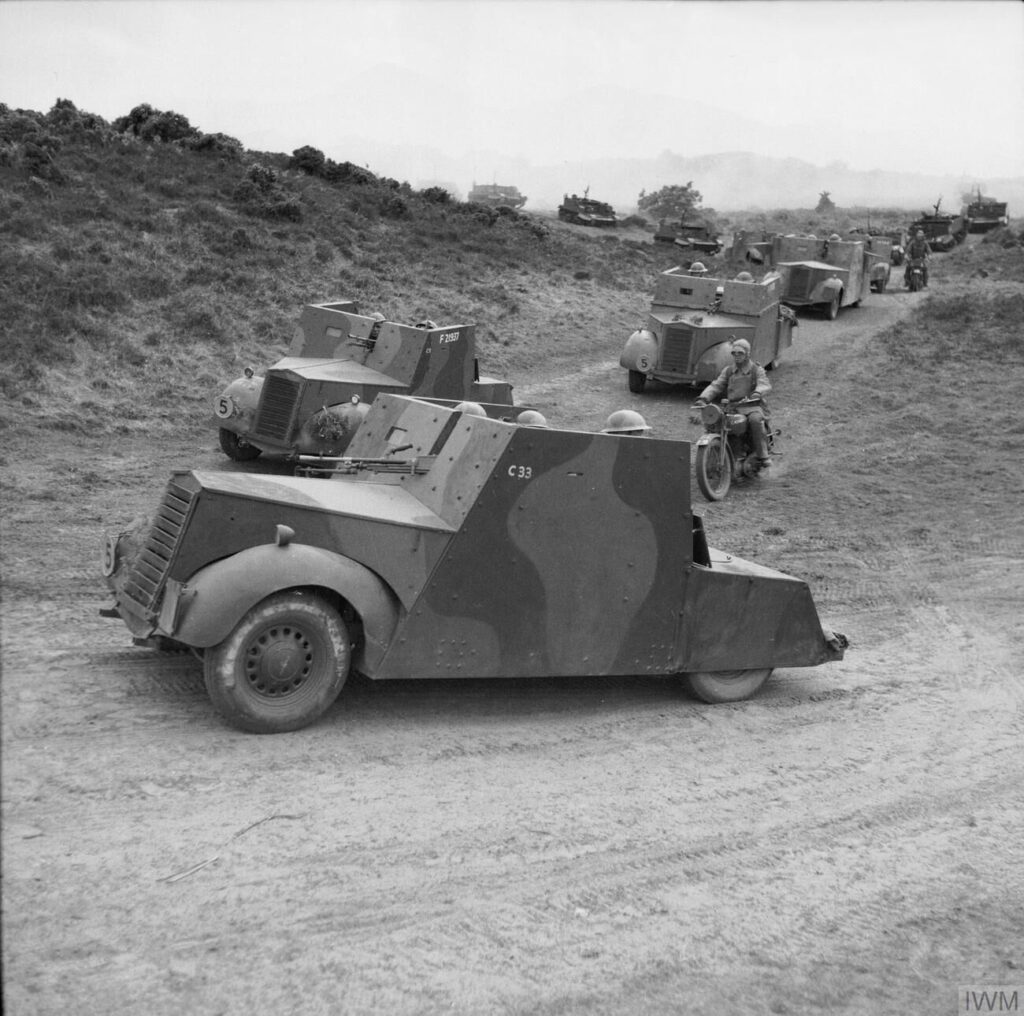
The Beaverette was created in Britain after the retreat from Dunkirk left the country vulnerable. Nearly 3,000 were built using Standard Motor Company chassis with armored plating. Early models offered limited protection and visibility, while later versions enclosed the engine and roof entirely.
Primarily used for border patrol, the Beaverette rarely left Britain and Northern Ireland. Its slow speed and simple construction meant it was more of a stopgap than a front-line vehicle, but it demonstrated the urgency of improvisation during wartime shortages.
Schofield Tank: New Zealand’s Local Solution
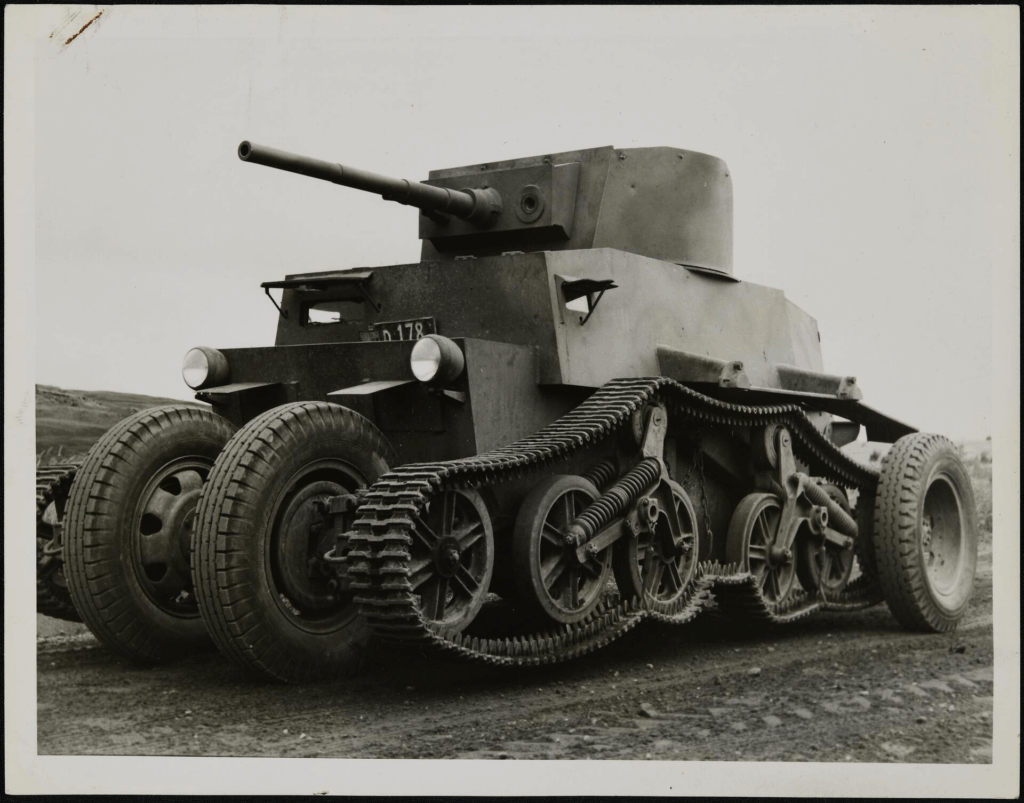
New Zealand, threatened by Japanese expansion in the Pacific, developed the Schofield tank to supplement limited Allied supplies. Built from a General Motors truck chassis with added light tracks, it could operate on roads or rough terrain. Powered by a 30-horsepower engine, it reached speeds up to 26 mph.
The Schofield never entered mass production. By 1943, incoming Allied vehicles made it unnecessary, and the prototype was eventually scrapped. Despite its odd appearance, the vehicle illustrates how smaller nations adapted quickly, combining creativity with available resources to meet wartime demands.
These examples highlight the unusual, experimental side of World War II engineering, where necessity drove inventiveness, and every idea was tested in the hope of giving armies an advantage.









