

America’s Forgotten Fighter That Became an Ace-Maker

YouTube / TheAnimatedGeneral
Unexpected First Responder at Pearl Harbor
On the morning of 7 December 1941, a small group of American pilots managed to take off from Wheeler Army Airfield while Japanese aircraft struck Oahu. Their fighter was not the Wildcat or the Warhawk. It was the Curtiss P-36 Hawk, a design the United States had already moved to second line status.
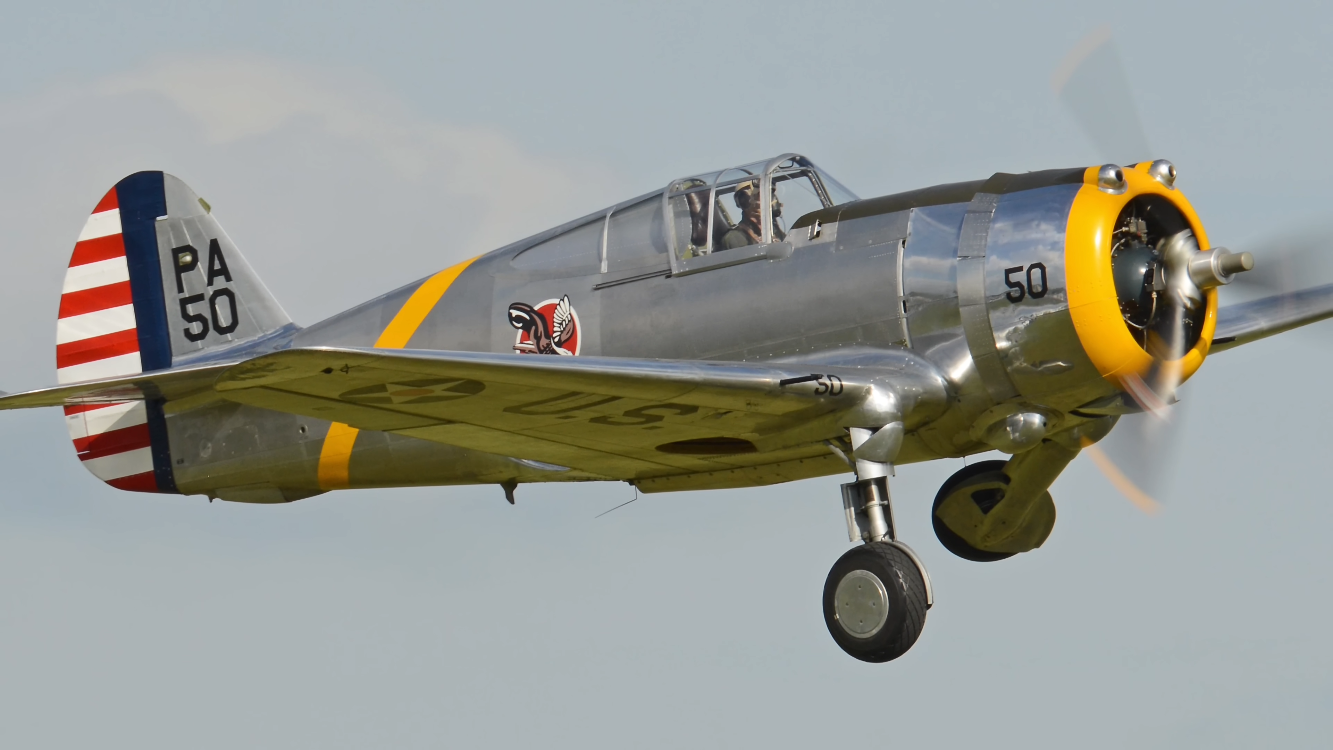
Most P-36s were destroyed on the ground, yet four pilots reached the air and scored two early American victories. Among them was Second Lieutenant Philip Rasmussen, who flew a damaged aircraft through heavy fire and returned with more than five hundred bullet holes. The P-36 entered the war in the most difficult conditions but demonstrated the strength of its airframe and the determination of its pilots.
Origins of a Modern Fighter
The P-36 began in the mid 1930s at Curtiss Wright under designer Donovan Berlin. Aviation was shifting from fabric biplanes to all metal monoplanes with enclosed cockpits and retractable landing gear. Berlin’s Model 75 met these new requirements with stressed skin construction and clean aerodynamic lines.
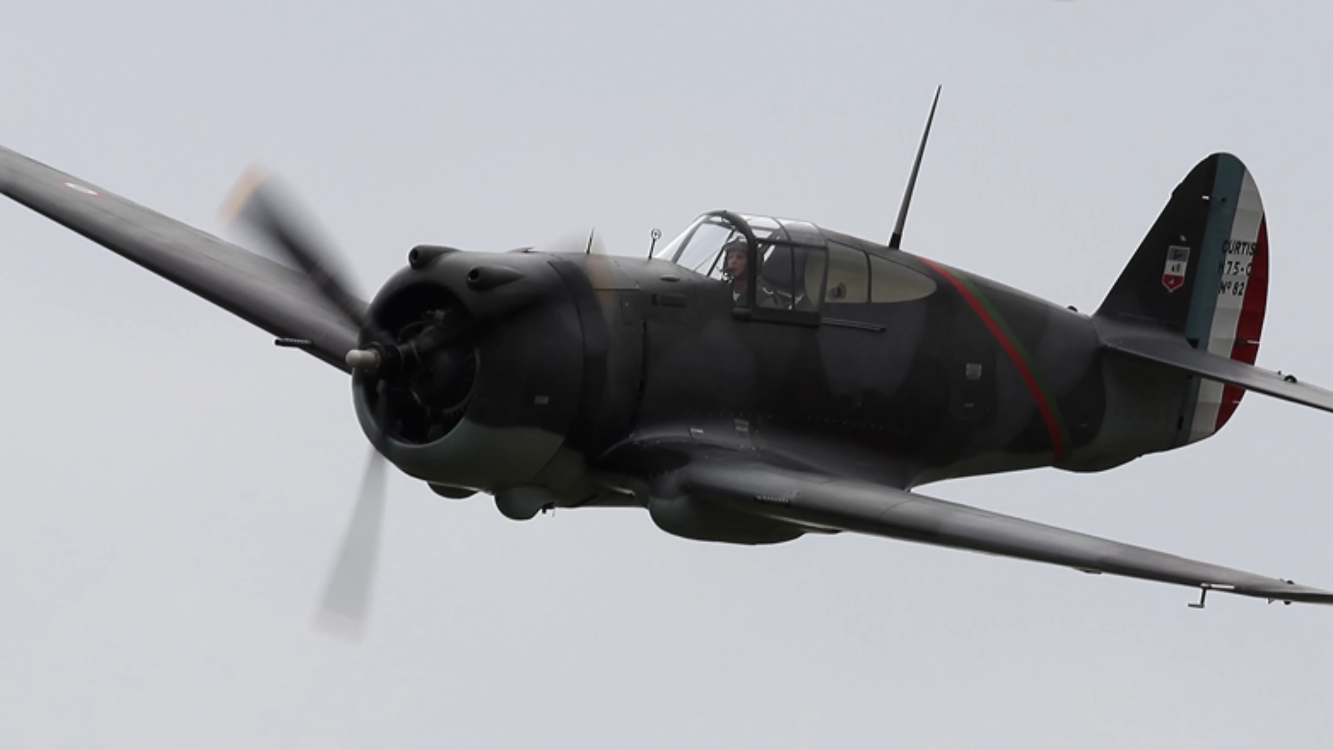
Early versions struggled with an experimental engine, but Curtiss replaced it with the Pratt and Whitney R-1830. The improved aircraft offered strong climb performance and excellent maneuverability. In 1937, the U S Army Air Corps ordered 210 examples and designated the type the P-36 Hawk.
Limited Armament at a Changing Moment
The P-36 arrived with one 50 caliber and one 30 caliber nose mounted gun. By the standards of the late 1930s, this was light armament and the design lacked armor and self sealing tanks. New European fighters were beginning to field heavier weapons.
As a result, the United States shifted production efforts to the liquid cooled derivative that became the P-40. Many P-36s were reassigned to training units or overseas bases. Their performance remained impressive, yet the aircraft was not expected to face high intensity combat.
A Frontline Asset Overseas
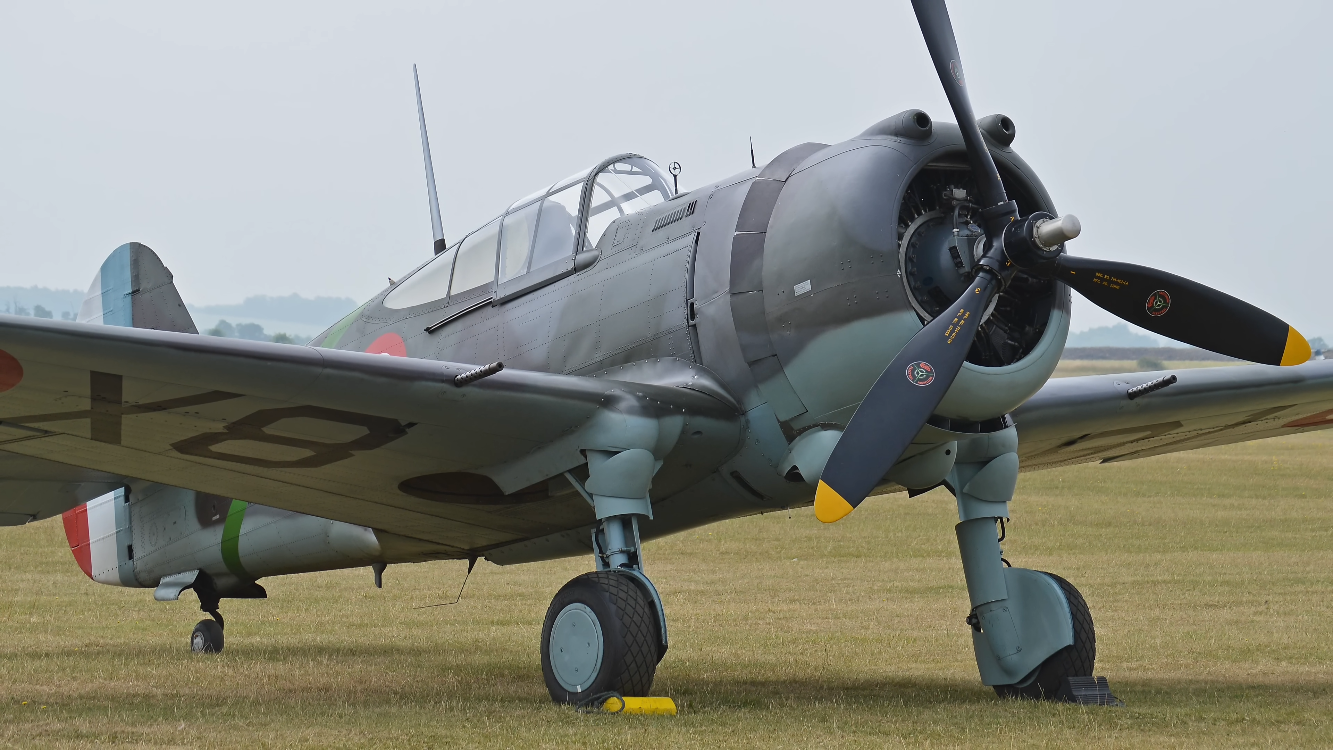
Export customers viewed the aircraft differently. France purchased large numbers, and French pilots relied on its turning ability during the Battle of France. They claimed more than 230 confirmed victories with favorable loss ratios. After the fall of France, Germany redistributed captured aircraft and Finland acquired several.
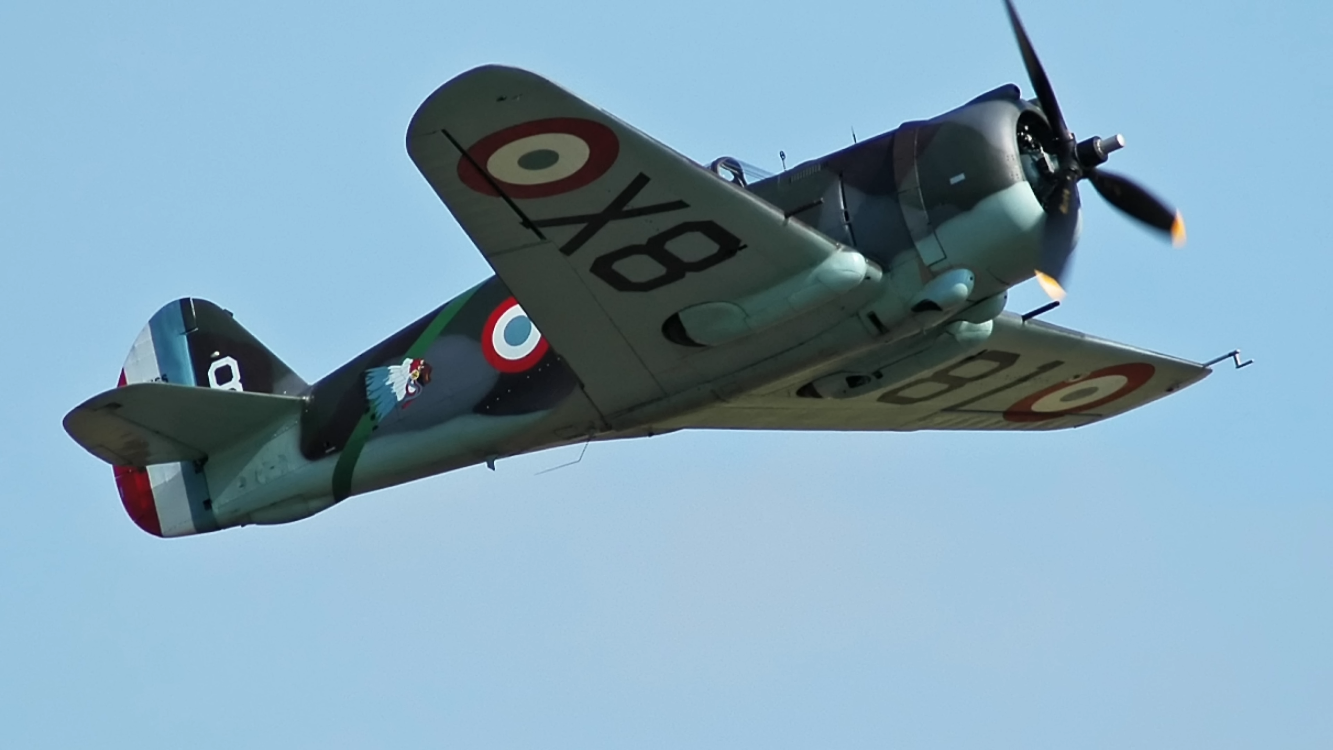
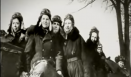
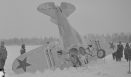
Finnish pilots referred to the Hawk as Suomi’s sweetheart and used it with significant success against Soviet fighters. Their units achieved more than 190 confirmed victories while losing only eight aircraft in aerial combat. The P-36 also served in Norway, the Netherlands, Britain, Thailand, and the French colonies, sometimes meeting identical Hawks flown by opposing forces.
A Foundation for a Successor
Curtiss used the P-36 airframe as the basis for the P-40 Warhawk. The company installed an inline Allison engine and extended the nose, but the structural core remained tied to the earlier design. This gave the United States a modern fighter during a critical period of expansion.
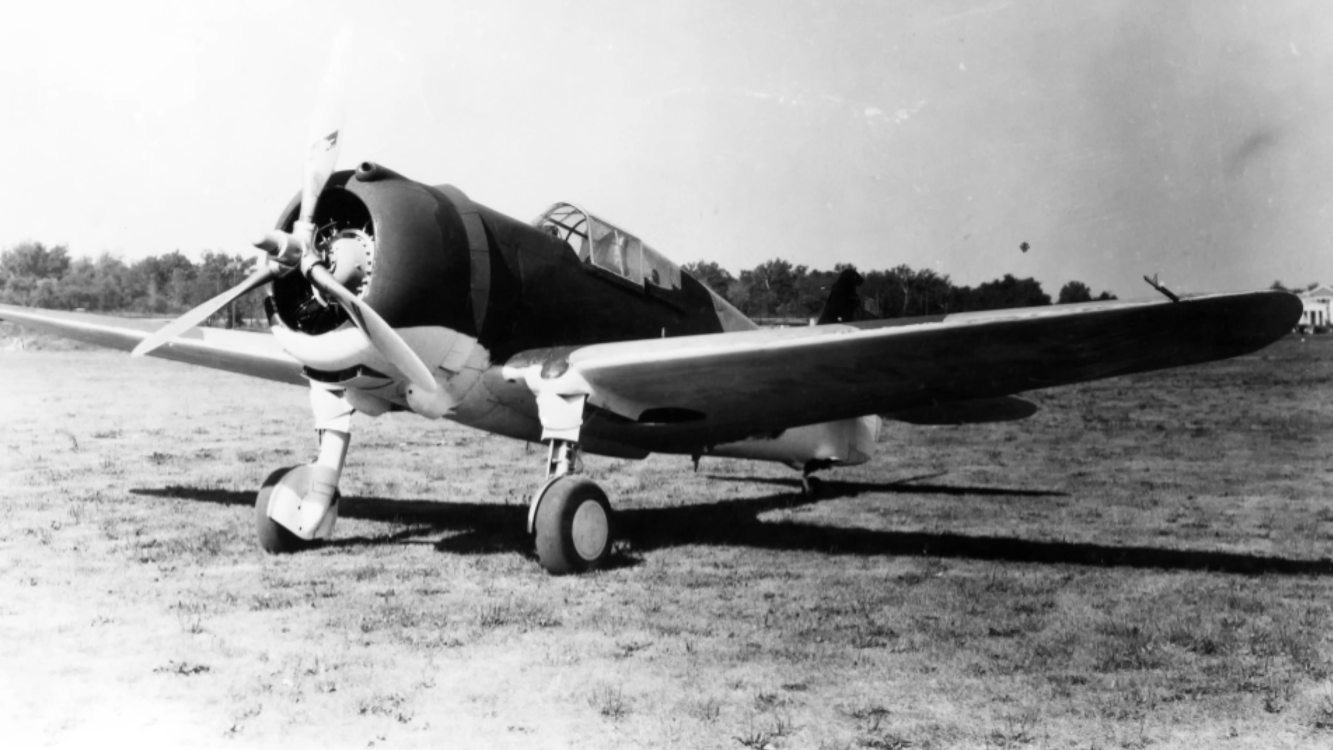
The P-36 became a transitional type in American service and a frontline fighter in Europe and Asia. Its agility, reliability, and stable handling allowed skilled pilots to secure considerable success.