On This Day in WWII (1945): British Submarine HMS Venturer Sinks German U-864 Carrying Me 262 Jet Technology to Japan
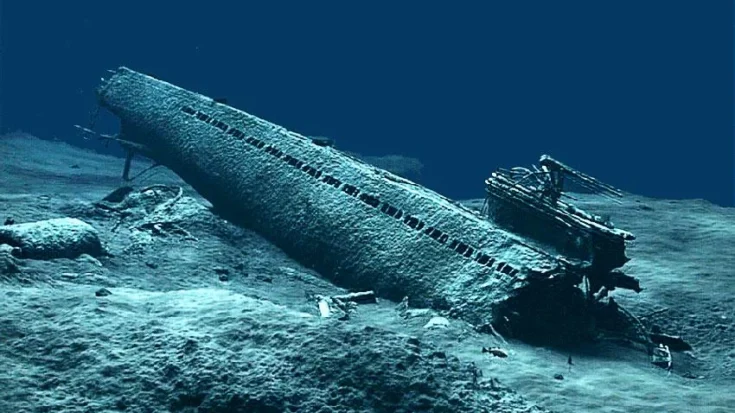
r/WarshipPorn / Reddit
On February 9, 1945, a rare underwater battle unfolded off the coast of Norway during the closing months of the Second World War. The British submarine HMS Venturer located and destroyed the German submarine U-864 while both vessels were submerged. The event was unusual, precise, and deeply tied to intelligence work, and it stopped a secret mission meant to deliver advanced military technology to Japan in the Pacific theater region.
Signals Intelligence and a Hidden Mission
U-864 was part of a long and risky supply effort known as Operation Caesar. German planners hoped to move critical materials and technical knowledge to Japan, an ally still fighting in the Pacific. The submarine carried mercury for weapons production, jet engine components, and detailed plans related to advanced aircraft, including material linked to the Me 262 jet fighter used late in the war effort.
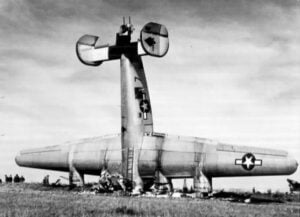
Allied intelligence played a key role in uncovering the mission. Code breakers working on intercepted German messages learned that U-864 had left Norway and was heading east. Aircraft from RAF Coastal Command were sent to search the area, and a Liberator bomber damaged the submarine, forcing it to seek repairs near the island of Fedje off the western Norwegian coast during early February nineteen forty-five.
HMS Venturer Takes the Hunt
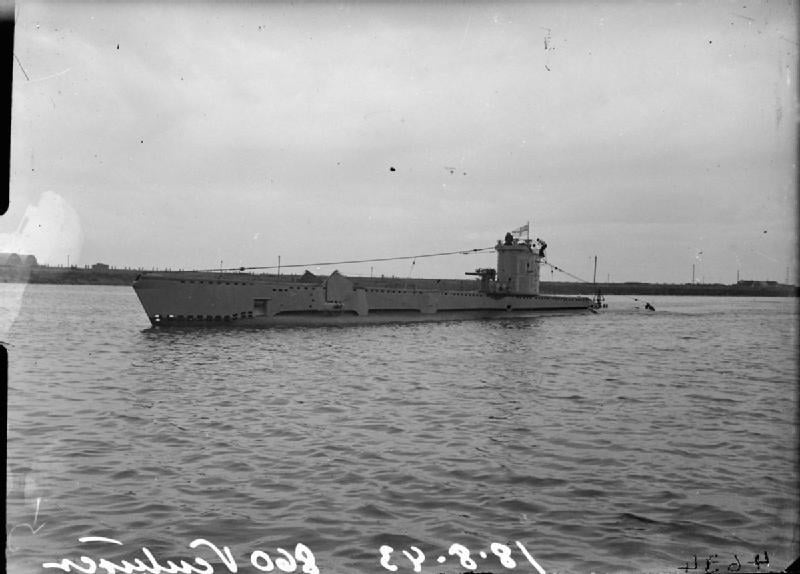
HMS Venturer, commanded by Lieutenant James Launders, was assigned to patrol the waters near Fedje. Unlike many encounters at sea, this hunt involved two submarines operating below the surface. Venturer detected U-864 using hydrophones, tracking engine sounds over several hours as Launders calculated speed, depth, and course without visual contact. The situation demanded careful math and patience under constant risk of counter attack from below.
On February 9, Venturer fired a spread of four torpedoes while still submerged, a rare tactic at the time. Launders staggered the shots at different depths, predicting where U-864 would move as it attempted to evade. One torpedo struck the German submarine, breaking it apart and sending it to the seabed with all hands aboard instantly ending Operation Caesar and its dangerous transfer mission plans.
A Unique Underwater Victory
The sinking of U-864 was unique in naval history. It marked the only confirmed instance of one submerged submarine destroying another while both remained underwater. This required skill, estimation, and calm decision making. There was no sonar display or guided weapon, only sound, timing, and careful judgment under pressure during a tense wartime patrol in northern Atlantic waters near Norway coastlines and islands nearby there.
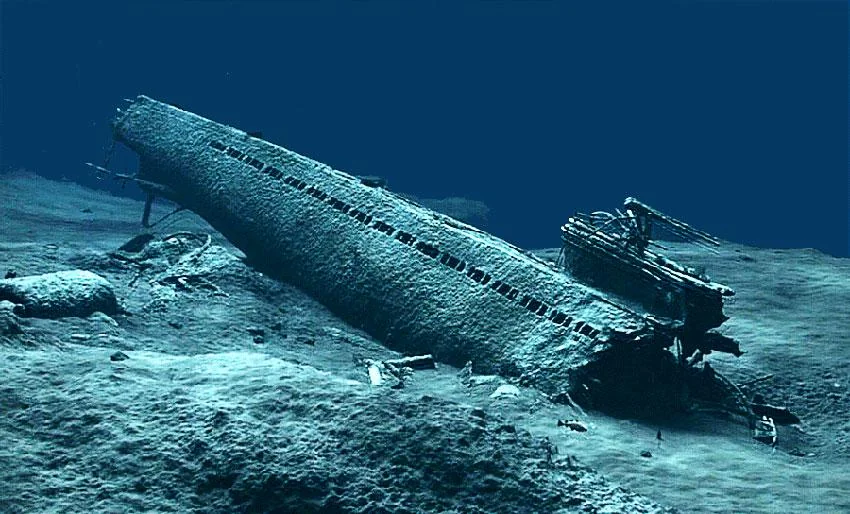
The loss of U-864 also carried long term effects beyond the war. Its cargo of mercury remains scattered on the seabed, raising environmental concerns decades later. Norwegian authorities have monitored the wreck site for contamination. Plans have been discussed to cover or remove the wreck to limit mercury leakage into surrounding waters and protect fishing areas used by coastal communities nearby today and future generations.
Intelligence, Timing, and Wider Impact
The destruction of U-864 denied Japan access to advanced German technology during the final phase of the war. Jet research materials and guidance systems never reached their destination. The success also showed how intelligence, air patrols, and naval action could work together to stop a threat long before it reached combat zones across distant oceans where strategic balance still mattered greatly in early nineteen forty five months remaining of conflict.
The action off Norway came as Allied forces closed in on multiple fronts across Europe. Submarine warfare remained dangerous even as the conflict neared its end. HMS Venturer returned safely, and its crew’s success stood as a quiet example of calculation over chance, shaped by preparation rather than luck alone during one of war’s most unusual and precise naval encounters ever recorded beneath cold northern seas of World War Two.