
How a German Test Pilot ‘Hanns Fay’ Sabotaged His Plane to Join America
WW2 Frontlines / YouTube
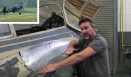
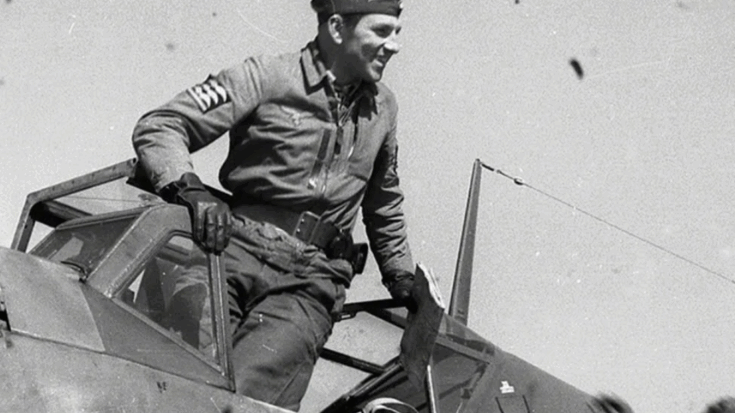
This story comes from late 1944, when the German air force was collapsing and Allied aircraft owned the skies. In the middle of this, a skilled German test pilot named Hanns Fay
made a decision that shocked both sides. He did not crash by accident. He sabotaged his own fighter so he could reach American lines, risking death to offer his knowledge to the enemy.
The Last Months of the War
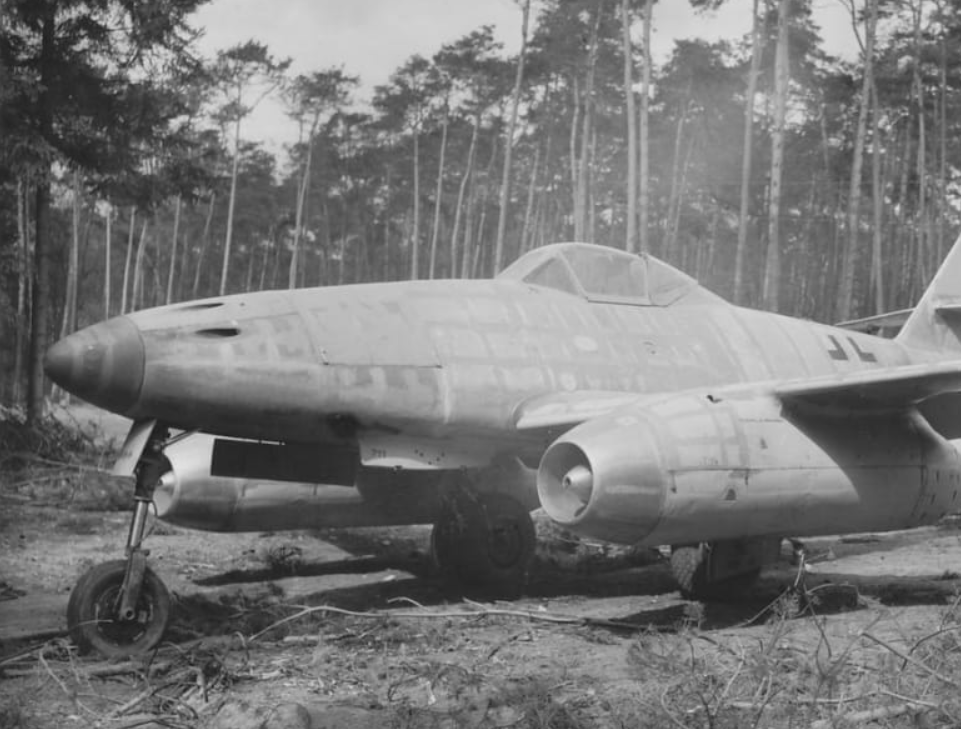
By December 1944, the German air force had lost most of its trained pilots. Fay was different. Born in 1914, he entered flying school long before the war. He became a top test pilot and flew the country’s most advanced aircraft, including early jet fighters. His work was not frontline combat. He tested designs, reported problems, and helped keep aircraft flying during the final stage of the war.
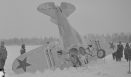
On December 14, 1944, Fay flew a test mission in a Bf 109. The engine failed over Allied territory. Official reports long suggested bad parts caused the failure, but later files showed Fay damaged his own engine. Instead of landing in German areas, he glided into American control. He later said he feared harming civilians if he crashed inside Germany and believed American forces would follow rules for prisoners.
Discovery and Interrogation
American troops reached the crash site and found Fay alive. At first, he was treated as any captured pilot. But intelligence officers soon realized he was the most experienced German test pilot they had seen. His knowledge of new aircraft, aircraft numbers, and design ideas was valuable. Questioning that was meant to last three days continued for weeks. Fay spoke clearly about how aircraft worked and why German engineers made certain design choices.
One American officer, Lieutenant Colonel Harold Watson, was also a test pilot. He recognized Fay’s skill. Watson asked his leaders a bold question: instead of only talking to Fay, they should let him fly American aircraft to give real evaluations. High-level officers first refused. Allowing a German pilot to test American designs was risky. But after long debate, Washington approved limited flights under close guard. Fay had to agree freely, without threats or promises.

Testing American Aircraft
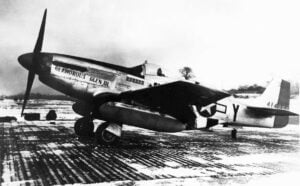
Fay agreed, with his own conditions. He would not fly missions that harmed German forces. His reports would be honest. When the war ended, he wanted help to move to the United States. In March 1945, he walked toward a P-51 Mustang. This fighter had helped defeat Germany’s air arm. Fay studied the aircraft, noting the clean tools, trained crews, and reliable parts. After his first flight, he told American pilots that their engineers had solved problems German teams did not recognize.
Fay spent weeks flying the main American fighters. He showed why German pilots struggled against the P-47 Thunderbolt. German aircraft were built for short fights near home. American aircraft were built for long missions, which let their pilots stay in combat longer. Fay also explained that American factories produced parts with steady quality, while German factories had shortages and weak materials late in the war.
Postwar Work and Legacy
When the war ended in May 1945, Fay stayed at Wright Field in Ohio. He was no longer a prisoner, but returning to a destroyed homeland offered little future. Tension with the Soviet Union was already growing, and American officers wanted information about both German aircraft and Soviet designs. Watson and other leaders pressed for Fay to work as a civilian test pilot. In December 1945, he accepted a contract.
Fay worked for the United States until 1950. Later records showed that his case was the model for a wider American effort to hire German experts after the war. His reports helped shape aircraft projects for years. Fay died in 1997, remembered for helping former enemies learn from each other during a time of conflict.