He Stayed at the Controls While the Plane Burned — The Forgotten Story of August 1940
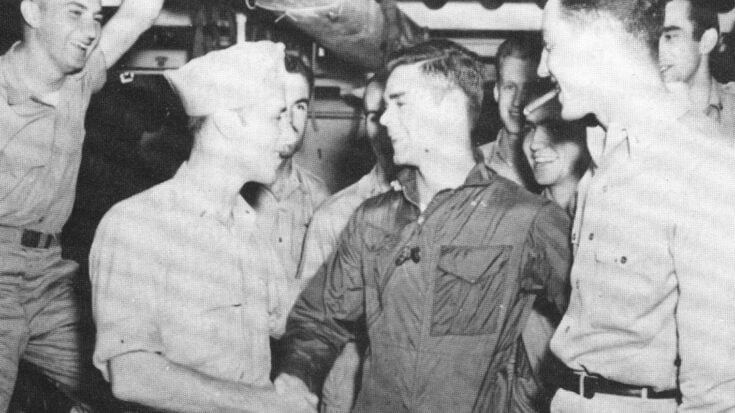
Early Morning Over Atsugi
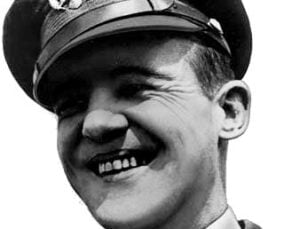
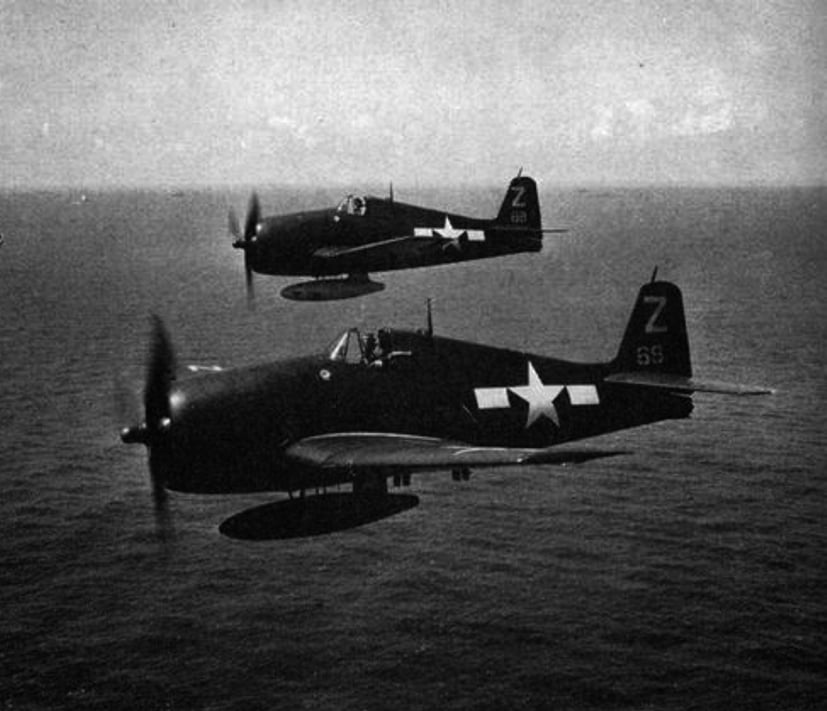
On the early morning of August fifteen nineteen forty followed by war in the Pacific, Lieutenant Howard Howdy Harrison led six F‑6F Hellcats toward Atsugi Airfield near Tokyo. They flew fast over open water, the engines roaring, each man alert to threats below and around them in the blue sky.
At first light Harrison’s group thought they faced fighters above Atsugi. Orders came through immediately that the war was over and they should return to base. The radio crackled joy as pilots understood peace had finally come after long years of conflict across islands and oceans under a bright sun.
Ambush After Ceasefire
Just as the Hellcats turned home Japanese pilots spotted them closing in. Some groups followed retreating Americans, deciding to press their attack despite the ceasefire order sent moments before. One Japanese lieutenant wanted one last chance to strike and reclaim honor in the sky near Atsugi at sunset quietly.
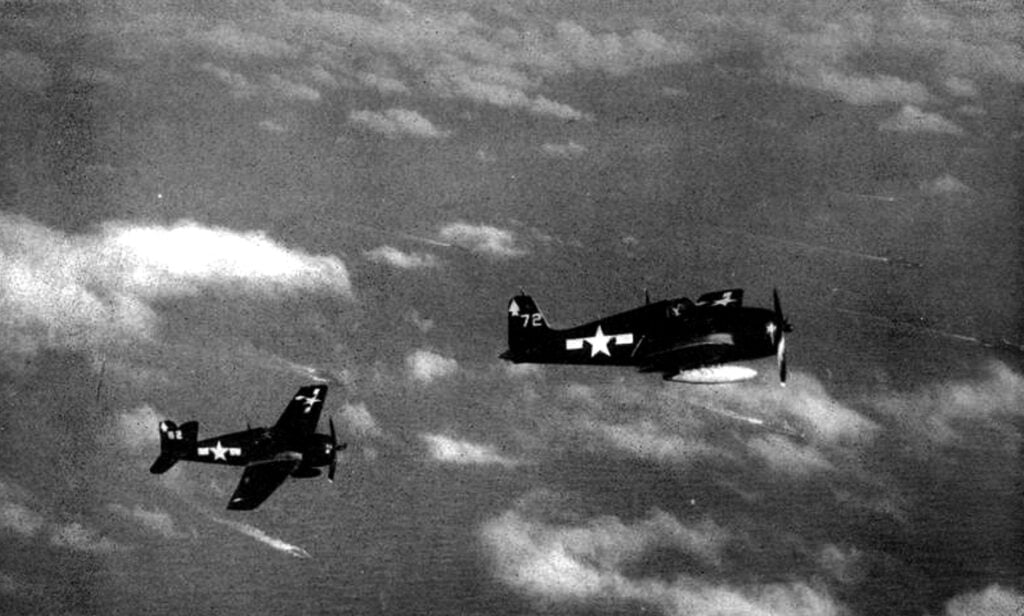
Harrison looked over his shoulder and saw several fighters above, ready to dive. He ordered his pilots to dump tanks and weapons, knowing their position was weak against attackers with a higher climb advantage. He pushed the throttle and led his squadron upward into a rising dogfight above the clouds.
Duel in the Sky
Harrison’s Hellcat and a Japanese fighter spiraled in tight circles, each pilot trying to gain a clear shot. The airspeed dipped and rose as they fought through the sky, muscles tense and eyes fixed on the instruments. The noise of wind and engine drove focus deep into the fight steadily.
At one point the Japanese plane stalled and fell away trailing smoke. Harrison pulled back on the stick and lined up his guns, firing into the enemy aircraft. Flames burst and the adversary spun down into the earth below. Harrison eased his power and scanned all directions for more danger.
Rescue and Loss
Harrison heard his wingman call that he could not shake a fighter tailing him. The voice was young, barely out of training, yet steady in tone. Harrison turned back into the fight, diving down to help. The enemy pilot never saw the Hellcat above until it was too late instinctively.
He lined up his shot and fired, hitting the plane with bursts of gun fire. The enemy aircraft broke apart and fell through the sky. His wingman called thanks and urged Harrison to stay alert. But other fighters pressed, and the sound of guns told them danger was not finished.
Chaos and Pursuit
Elsewhere in the air other American pilots fought. Lieutenant Theodore Hansen fired and shredded a wing on a Japanese fighter, forcing it down. Lieutenant Maurice Proctor found another coming at him and cut its wing, sending it crashing toward the ground. They had little time to rest before more attacks.
Meanwhile a third team, Lieutenant Joseph Sahloff and Ensign Eugene Mandeberg, were under heavy fire. Their Hellcats shook as rounds struck. Mandeberg’s plane exploded below Sahloff’s view and he watched it fall. Then another enemy aircraft locked onto Sahloff, but help arrived fast from a friend diving down toward safety.
Final Moments of Hobbs
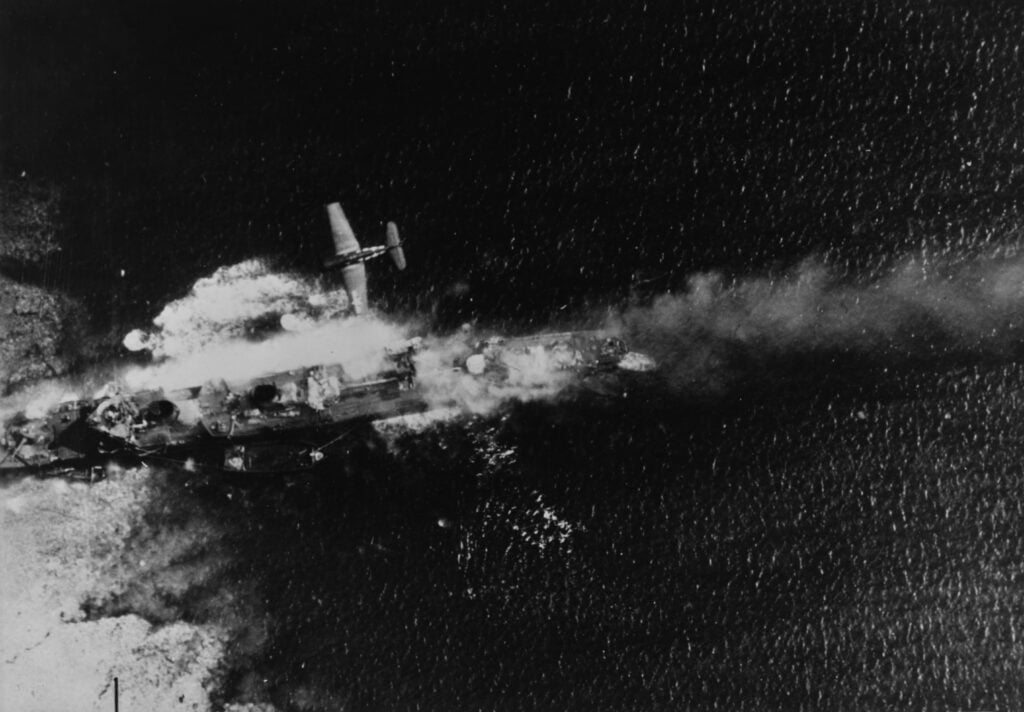
Back in the fight Lieutenant William Hobbs found himself targeted. He fought hard, twisting and turning to avoid the fire as the sky filled with smoke and rounds. His Hellcat took hits and the flames reached the cockpit. He knew he had to get out before it was too late.
Hobbs opened his canopy and jumped his parachute catching the air. He floated down, but his strength faded before he hit the sea. His body dropped into the water as the battle continued. Afterward, only two Hellcats made it back to the carrier, piloted by Hansen and Proctor, who landed.