The Encounter That Made Japan Fear The F6F Hellcat
YouTube / TJ3 History
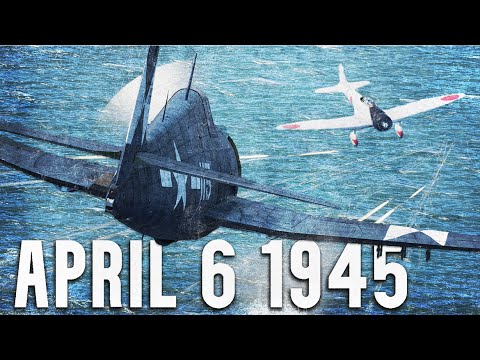
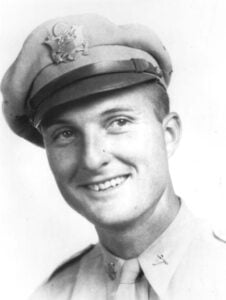
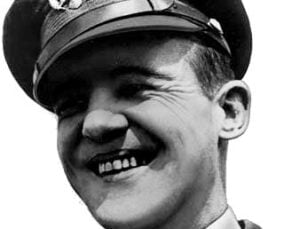
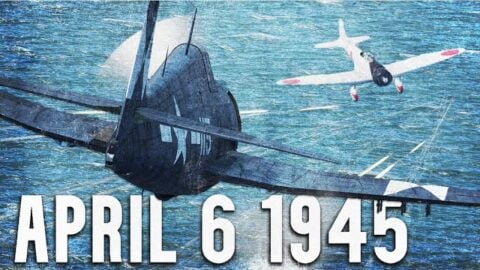
On April 6, 1945, as the Battle of Okinawa intensified, a flight of F6F Hellcat fighters from the Fighter Squadron 83 roared low over the Pacific. Their mission was routine by this stage of the campaign: strike Japanese airfields, suppress installations, and shield the fleet supporting the invasion. For Ensign Dawn McPherson, it would become the first dogfight of his career.

Softening Okinawa
In late March, aircraft from the Fast Carrier Task Force began concentrated attacks on Okinawa’s airfields. The goal was direct and strategic. Control of Okinawa meant control of approaches to the Japanese home islands.
Flying from the deck of the USS Essex, McPherson and his squadron struck hangars, runways, and supply points. They uncovered concealed installations, including a base for one-man suicide submarines. By April 1, L-Day, they were carrying napalm to scorch landing zones ahead of American troops.

The landings met less resistance on the beaches than expected, but the danger shifted to the sea. Kamikaze aircraft began striking the fleet with mounting intensity.
Operation Ten-Go and a Sudden Fight
As Japan launched Operation Ten-Go in early April, American carriers targeted airfields believed to host kamikaze aircraft. On April 6, McPherson’s four-plane section, “Wonder Five,” attacked an airfield on Kikushima. Rockets tore into hangars and cratered the strip.
Low on ammunition and fuel, they turned for home at about 1,800 feet. Then McPherson spotted two Aichi D3A “Val” dive bombers skimming the ocean on a converging course.

He pushed the stick forward and fired before resetting his guns. His burst struck the lead aircraft’s cockpit. The bomber plunged into the sea.
The second Val pressed on toward the damaged airfield. Ignoring warnings about anti-aircraft fire from shore batteries, McPherson advanced to firing range and opened up. The aircraft exploded and fell near the coast.

A Squadron’s Breakthrough
Unknown to McPherson, two more enemy aircraft trailed behind. His division leader downed one. Another pilot destroyed the fourth. Each member of the flight scored his first kill that day.
Across the Okinawa theater, American fighters claimed heavy totals with limited losses. For Fighter Squadron 83 alone, dozens of Japanese aircraft were destroyed during this phase of the campaign.

The encounter demonstrated the advantage held by the Hellcat in speed, firepower, and durability. It also marked the beginning of McPherson’s rise toward ace status. In the skies over Okinawa, the balance of air power had shifted decisively.