

Why the P-38 Lightning Used One of the Strangest Engine Systems of World War II
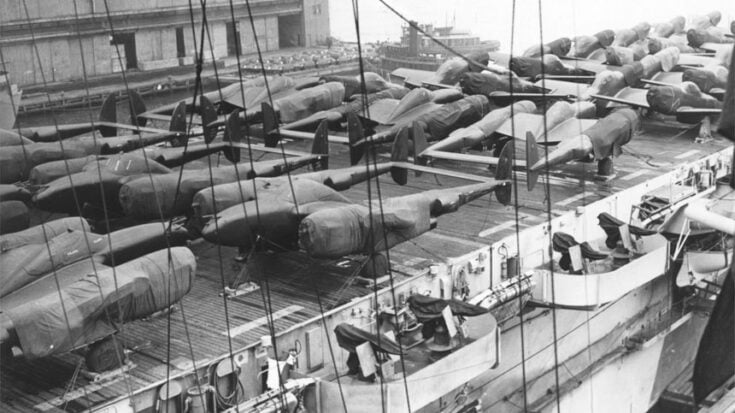
YouTube / Real Engineering
The P-38 Lightning entered the war with an engine arrangement unlike any other American fighter. Its twin Allison V-1710 V12 engines were liquid cooled and mounted in separate booms, a layout driven by engineering necessity rather than style. At the start of the war, the Allison engine lacked the advanced two-speed, two-stage supercharger used by later Rolls-Royce Merlin engines, limiting its effectiveness at high altitude.

Aircraft like the P-40 Warhawk relied on the Allison’s single-stage supercharger and struggled above medium altitude. The P-38 avoided this limitation by using its twin boom layout to install a separate turbocharger system behind each engine. Turbochargers and superchargers both compress intake air to increase power, but they are driven differently. Superchargers draw mechanical power from the engine, providing immediate throttle response. Turbochargers are powered by exhaust gases, recovering energy that would otherwise be lost.

This approach gave the P-38 strong high altitude performance but introduced turbo lag, since exhaust pressure does not rise instantly when throttle is applied. The system also generated significant heat, which required effective cooling. Rather than using large external scoops, Lockheed built the intercoolers into the wing’s leading edge. Compressed air passed through small internal tubes cooled by airflow entering a narrow intake and exiting near the wingtip.

The result was a complex but effective solution. The P-38 gained high altitude capability that most American fighters lacked early in the war, at the cost of greater maintenance demands and pilot workload.







