

How a WWII Airman Endured 47 Days at Sea Against All Odds
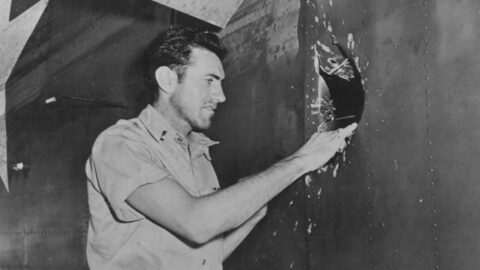
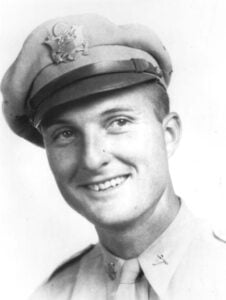
http://ww2db.com/images/person_zamperini4.jpg, Public domain, via Wikimedia Commons
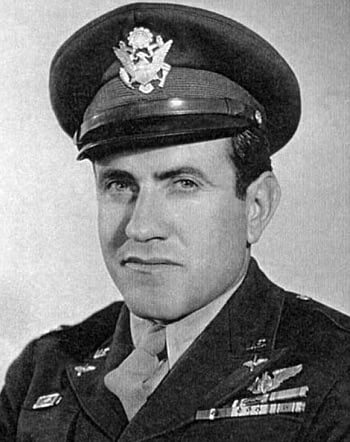
In the vast expanse of the Pacific Ocean during the Second World War, survival often depended on endurance as much as skill. Among the many stories that emerged from that conflict, few have drawn as much attention as that of Louis Zamperini, a former Olympic runner who became a United States Army Air Forces bombardier. His experience at sea, following a sudden aircraft loss in 1943, remains one of the most widely discussed survival episodes of the war.
Zamperini had already gained recognition before the conflict. He competed in the 1936 Berlin Olympics as a distance runner, finishing strongly in the 5,000 meters. When the United States entered the war, he joined the Army Air Forces and was assigned to a B-24 Liberator bomber crew. These aircraft were widely used across the Pacific for long-range missions, including reconnaissance and search operations over open water.
The Crash in the Pacific
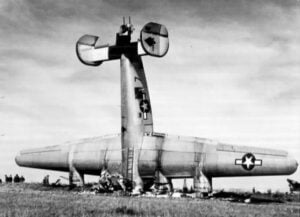
On May 27, 1943, Zamperini and his crew were flying a rescue mission in a B-24 known as “Green Hornet.” The aircraft had a history of mechanical issues, and during the flight, engine failure caused it to lose control and crash into the ocean. Of the eleven men on board, only three survived the impact: Zamperini, pilot Russell Phillips, and tail gunner Francis McNamara.
The three men managed to inflate two small life rafts and gather limited supplies from the wreckage. At first, they faced the immediate shock of the crash, but the larger challenge soon became clear. They were stranded in open water with little food, little fresh water, and no clear idea of their location. The Pacific theater was vast, and rescue efforts were often uncertain.
Weeks of Survival at Sea
Life on the raft quickly became a struggle against hunger, thirst, and exposure. The men rationed their remaining supplies, catching rainwater when possible and attempting to fish using improvised tools. Sharks frequently circled beneath them, and at times brushed against the raft, adding constant tension to their situation.
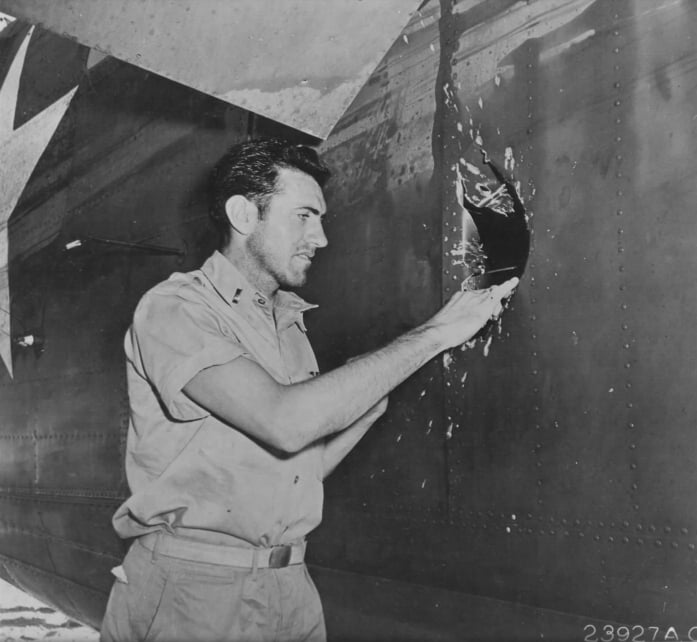
Their ordeal was made worse when Japanese aircraft appeared and fired on them, damaging their raft and forcing them to repair it while staying afloat. Over time, the strain took its toll. Francis McNamara died after several weeks, leaving Zamperini and Phillips alone to continue the effort to survive.
Despite these hardships, the two men adapted to their environment. They learned to catch seabirds that landed on the raft and used them as both food and bait. Sun exposure caused severe burns during the day, while nights brought cold and discomfort. Still, they remained alive through a combination of improvisation and determination.
Capture and Imprisonment
After 47 days adrift, the raft finally reached waters near the Marshall Islands. Rather than rescue, the two survivors were captured by Japanese forces. Their ordeal did not end with survival at sea. Both men were taken to prisoner-of-war camps, where conditions were harsh and discipline was severe.
Zamperini spent more than two years in captivity before the war ended in 1945. Like many prisoners in the Pacific, he faced malnutrition, forced labor, and repeated punishment. His experience reflected the broader reality of wartime imprisonment in that theater, where survival remained uncertain even after capture.
Zamperini’s story later gained wider attention through historical accounts, including the book “Unbroken” by Laura Hillenbrand, which introduced his experiences to a new generation of readers.



.jpg)