

How “Crazy Bill” Shomo a Recon Pilot Became a Fighter Ace in Few Minutes
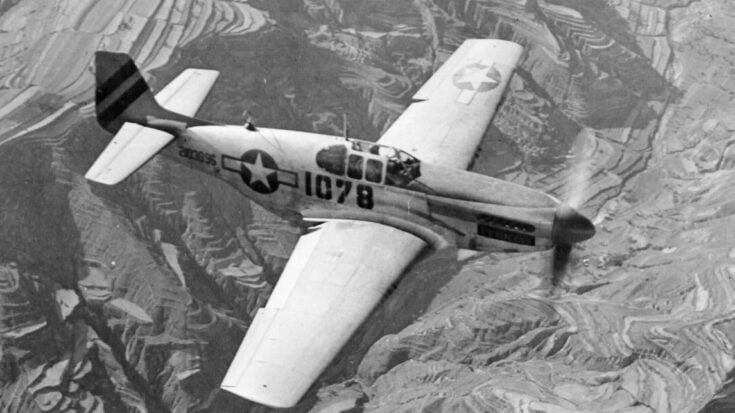
United States Army Air Forces, Public domain, via Wikimedia Commons
War in the Pacific often depended on information gathered far from the front lines. Pilots sent to observe enemy positions usually avoided direct fighting, as their aircraft carried cameras more valuable than bullets. Yet, on one January morning in 1945, that expectation was overturned in a matter of moments.
American troops had recently landed at Lingayen Gulf, and commanders urgently needed updates on nearby airfields. Reconnaissance flights filled this role, mapping out threats before they could strike. These missions were routine in design but dangerous in practice, especially over northern Luzon where enemy aircraft remained active.
A Pilot Faces an Unexpected Threat
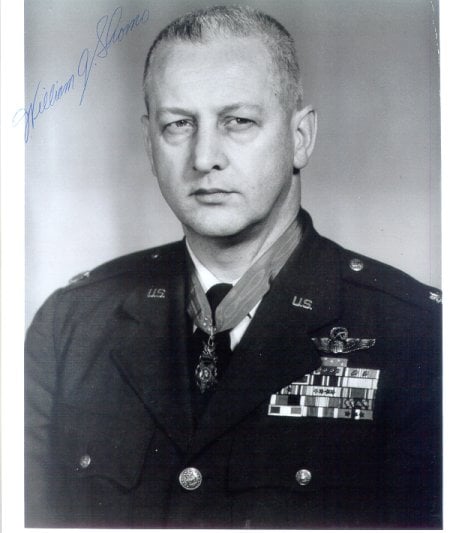
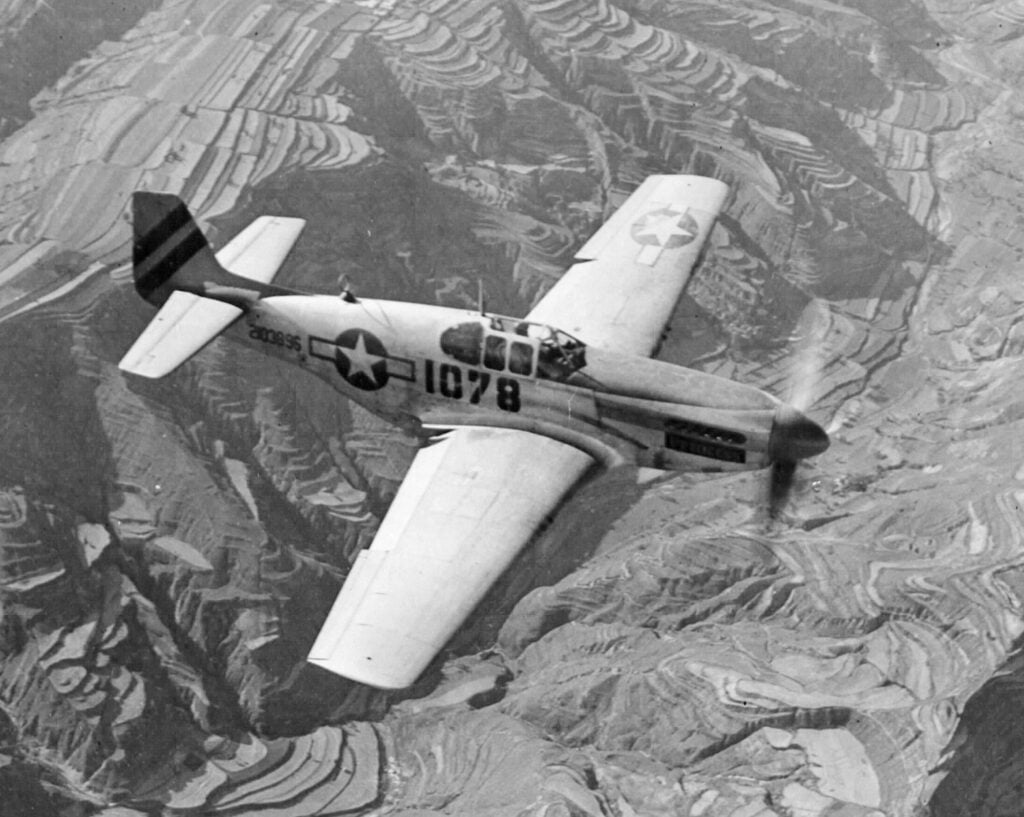
Lieutenant William Arthur Shomo flew one of these missions in an F-6D Mustang, a version of the P-51 adapted for photography work. Though still armed, its main purpose was to record images of runways, supply depots, and troop activity. Shomo, accompanied by Lieutenant Paul Lipscomb, was assigned to survey several airstrips believed to support ongoing operations.
Normally, such flights required caution and distance from enemy forces. Pilots were trained to avoid confrontation unless absolutely necessary. On that day, however, Shomo noticed movement above him that changed the situation entirely. A large formation crossed his path, including a twin-engine bomber surrounded by multiple fighter escorts.
Breaking From Procedure
The formation was not wandering aimlessly. Its direction suggested an approach toward American-held areas near the recent landing sites. That alone made it dangerous. Standard instructions would have required Shomo to pull away and report what he had seen, allowing others to respond later.
Instead, he chose immediate action.
Climbing sharply, Shomo placed his aircraft into a position behind the trailing fighters. Without hesitation, he opened fire. One aircraft broke apart almost instantly. He shifted direction again, striking another before the group could fully react. Speed and surprise worked in his favor, allowing him to keep control of the engagement.
A Short but Decisive Clash
The fight unfolded quickly. Shomo avoided flying straight paths, instead weaving through the formation to limit return fire. Several fighters were destroyed in rapid sequence. He then targeted the bomber, approaching from below where defenses were weaker. A concentrated burst set it ablaze, forcing it down.
Lipscomb joined the action, engaging other aircraft that attempted to regroup. The formation, once organized, became scattered. Pilots tried to respond, but the attack had already disrupted their coordination. Within minutes, most of the group had been eliminated, leaving only a few to escape.
Aftermath and Recognition
What began as a simple observation flight ended with a major loss for the opposing force. Ten aircraft were destroyed during the encounter, a result few would have expected from two reconnaissance pilots. The threat to American troops below was removed before it could fully develop.
For this action, Shomo received the Medal of Honor. His record later showed more than 200 missions flown during the war. Among fellow pilots, his aircraft name, “Snooks,” became widely recognized, marking each plane he operated.
The skies over Luzon that day showed how quickly roles could change, turning observers into combatants in an instant.








