The B-17’s Deadly Gun Storm That Japanese Pilots Dreaded
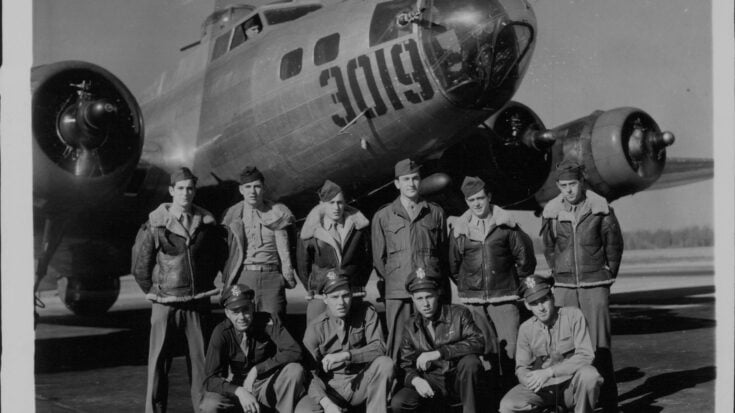
Hennepin County Library, Public domain, via Wikimedia Commons
At the start of the Pacific War, large American bombers did not inspire much fear among opposing pilots. Their size and steady speed made them seem easy to intercept. Early encounters appeared to confirm this belief, especially during the first days of fighting in the Philippines, when aircraft were caught on the ground and destroyed before they could respond.
Yet this early impression did not last. As combat shifted from surprise attacks to sustained air operations, the bomber’s true design began to show. What had seemed vulnerable on the surface was built for a very different kind of warfare.
Early Setbacks and Design Limits
On December 8, 1941, American airfields such as Clark Field suffered heavy losses. Many bombers, including the B-17 Flying Fortress, were damaged or destroyed before they could take off. These losses raised doubts about whether the aircraft could survive modern air combat.
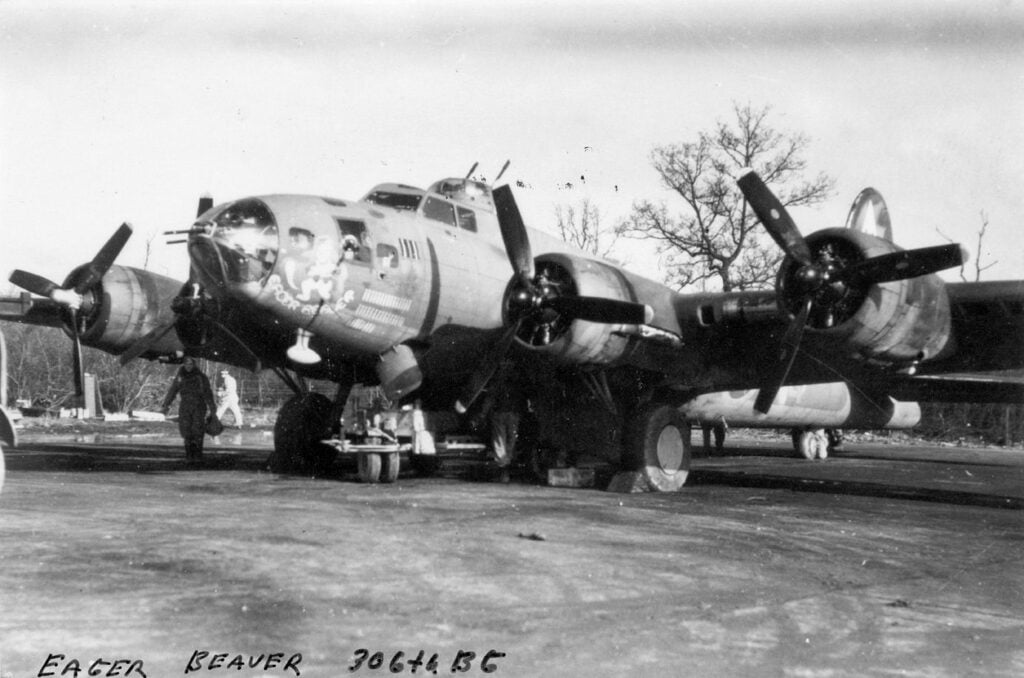
Part of the concern came from real weaknesses. Early versions lacked strong defensive coverage in certain directions. Fuel tanks were not yet fully protected, making them prone to catching fire when hit. Against experienced pilots flying agile fighters like the Mitsubishi A6M Zero, these flaws became clear. Fast attacks from blind spots often led to losses, and early missions showed how exposed a lone bomber could be.
Formation Changes the Battle
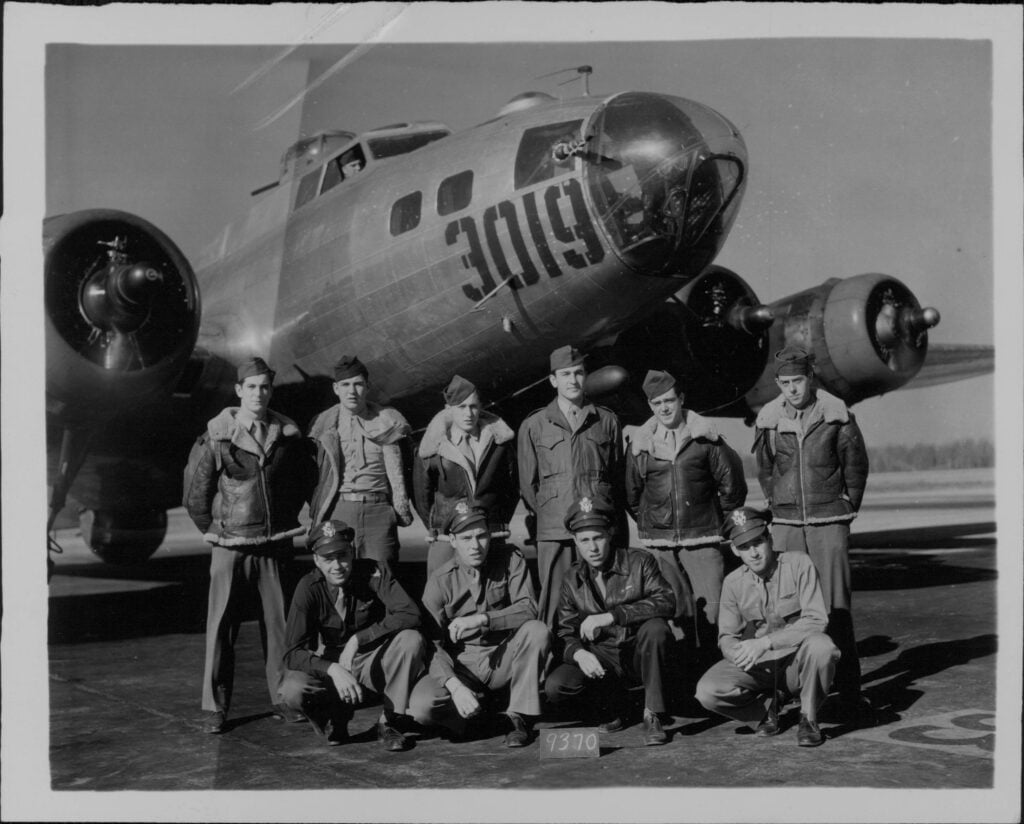
The situation improved once crews began using the aircraft as intended. Instead of flying alone or in loose groups, bombers formed tight defensive patterns known as combat boxes. In these formations, each aircraft supported the others, creating overlapping lines of fire.
A single bomber already carried several .50 caliber machine guns, positioned in turrets and along the fuselage. When multiple aircraft flew together, those guns combined into a dense defensive network. Enemy fighters approaching from almost any direction faced incoming fire not from one aircraft, but from several at once.
Pilots who attacked these formations soon discovered the difference. What looked like a slow-moving target became a difficult challenge. Closing distance meant flying into a heavy stream of bullets that could damage or destroy a fighter in seconds.
Changing Tactics in the Air
Facing this new reality, opposing pilots adjusted their methods. One approach involved fast, head-on attacks. By charging directly toward the bomber formation, they reduced the time spent under fire from side-mounted guns. However, this tactic came with serious risks.
At high closing speeds, even a small error could lead to a collision. Some attacks ended with aircraft striking each other or breaking apart in midair. The danger increased as bomber crews improved their coordination and defensive shooting.
In 1943, another major improvement appeared with the B-17G model. This version introduced a forward-mounted chin turret, designed to protect against frontal attacks. The new gun position removed one of the last weak points, forcing attackers to face heavy fire even during head-on approaches.
A Reputation Earned in Combat
With these changes, the bomber’s role became more secure across different theaters, including the Pacific. While other aircraft like the B-24 Liberator later took on long-range missions, the B-17 had already proven its value. Its ability to defend itself, especially in formation, changed how air battles were fought.
For many pilots who encountered it, the aircraft was no longer seen as an easy target. Instead, it became a well-armed opponent that demanded careful planning and carried real danger in every encounter.