How One Crashed Zero Revealed Japan’s Secrets and Led to a 19:1 Kill Ratio
WWII CHRONICLES / YouTube
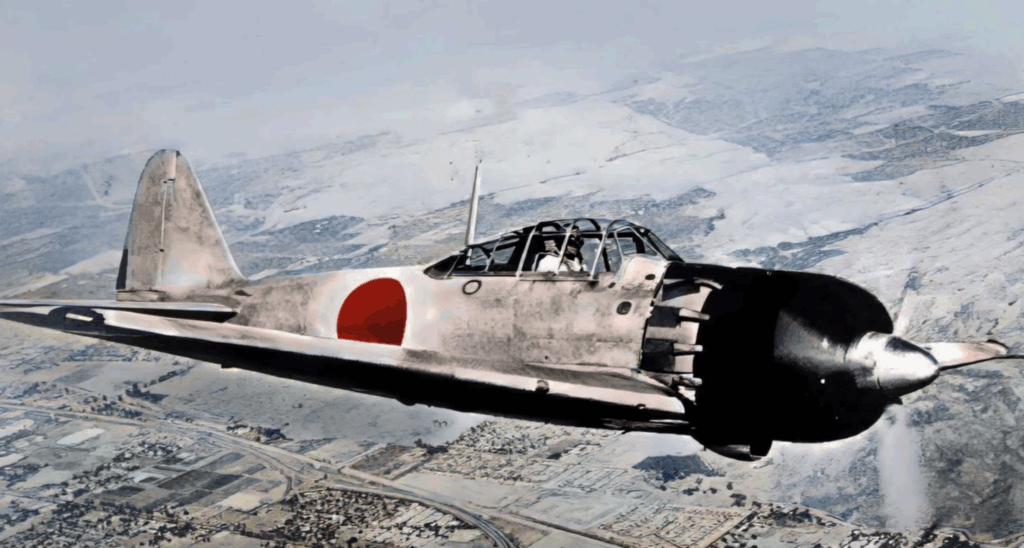
In the early months of the Pacific War, American pilots faced an aircraft that seemed impossible to defeat. The Mitsubishi A6M Zero dominated the skies with speed, range, and sharp turning ability. Encounters with it often ended badly for Allied air crews. That balance began to change after one unexpected crash in a remote part of Alaska, where a single damaged fighter offered rare insight into an enemy aircraft that had ruled the air.
The Aleutian Incident
On June 4, 1942, Japanese forces launched an air raid on Dutch Harbor in the Aleutian Islands. Among the attackers was 19-year-old Petty Officer First Class Tadayoshi Koga, flying a newly issued Zero from the carrier Ryujo. His task was direct: strike American positions and return to the fleet. During low-level strafing, ground fire hit his aircraft and ruptured an oil line, leaving his engine failing.
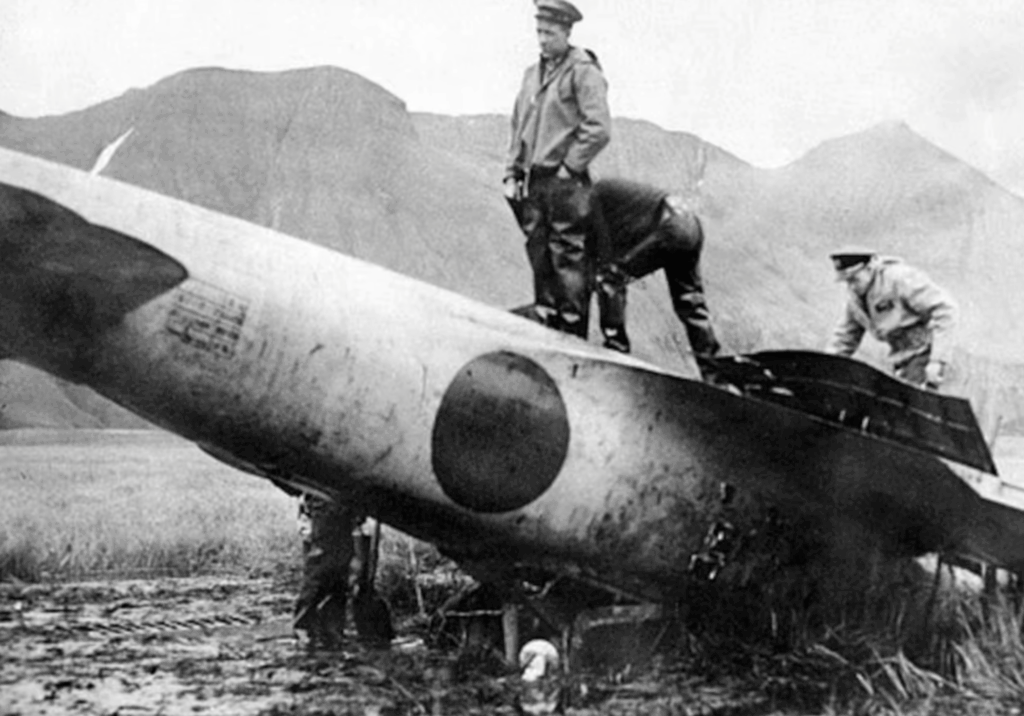
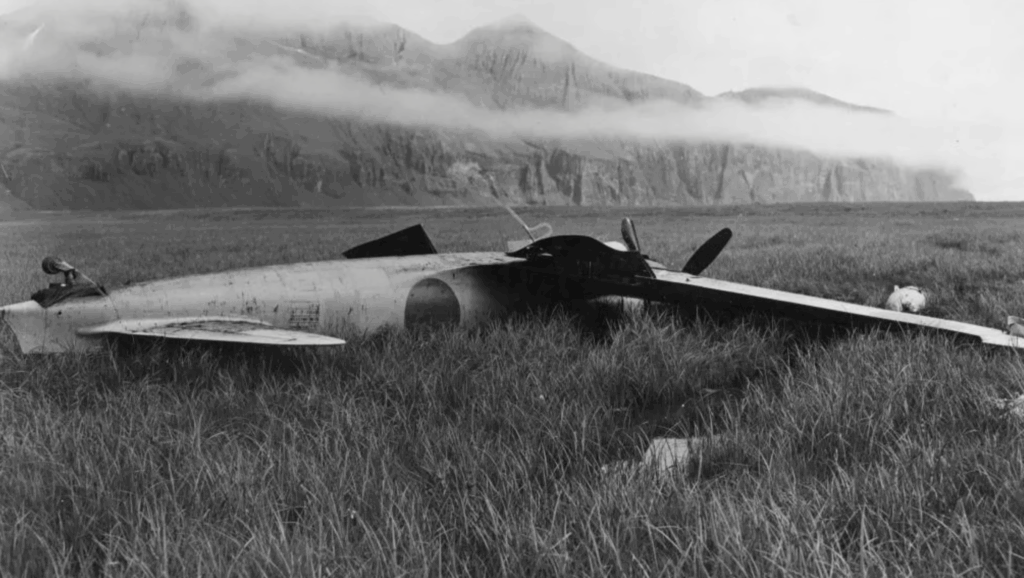
Faced with limited options, Koga chose to land on nearby Akutan Island, an area marked on Japanese charts for emergency landings. The terrain was misleading. What looked solid from the air was soft tundra. Trusting a wingman’s radio call, Koga attempted a normal landing. The Zero flipped over on impact. The aircraft stayed mostly intact, but Koga was killed instantly.
An Intact Enemy Fighter
Koga’s wingmen were ordered to destroy any aircraft that might be captured. Believing he had survived, they did not fire on the wreck. The Zero lay hidden for weeks in fog and isolation. On July 10, 1942, a U.S. Navy PBY Catalina spotted the overturned fighter. The location was reported, and a recovery team arrived the next day.
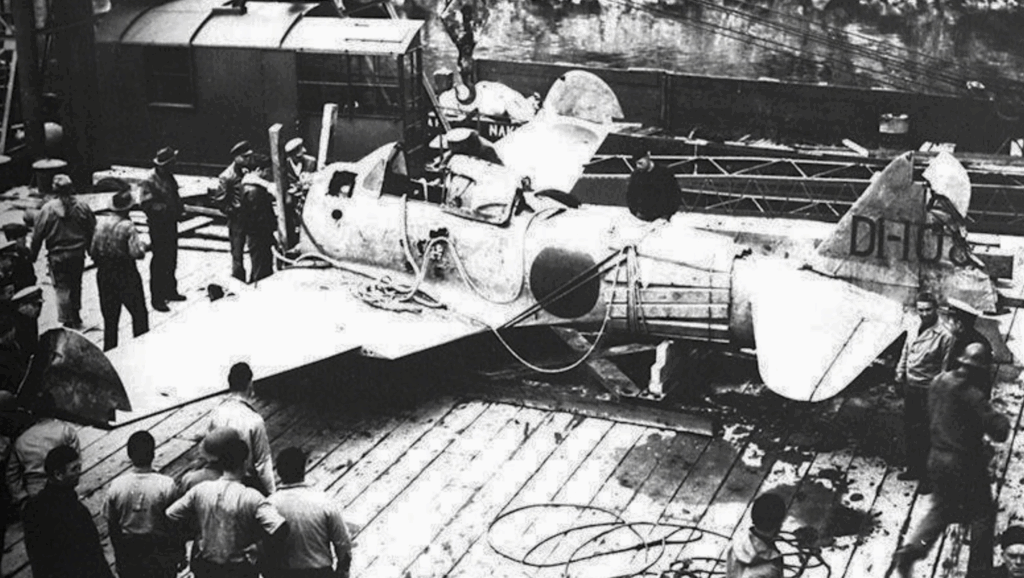
American crews removed Koga’s body and recovered the aircraft with care. It was shipped to Dutch Harbor, then sent under guard to Naval Air Station North Island in San Diego. For the first time, the United States had a largely intact Zero to examine, not as a battlefield threat, but as a subject for study.
Testing the Zero
Engineers repaired the aircraft and repainted it in U.S. Navy colors. On September 26, 1942, Lieutenant Commander Eddie R. Sanders flew the Zero during its first American test flight. His goal was not performance, but understanding. Each maneuver was designed to expose how the aircraft behaved under stress.
The tests showed clear strengths and limits. At low speeds, the Zero turned tightly and responded quickly. At higher speeds, the controls stiffened. Rolling right was slow. The engine cut out under negative acceleration due to its carburetor design. Its light structure, ideal for agility, offered little protection and failed under heavy strain.
Turning Knowledge into Tactics
Sanders’ findings were shared across the Navy and with aircraft designers. Grumman engineers used the data while refining the F6F Hellcat. Armor, fuel protection, and dive performance were improved with the Zero’s weaknesses in mind. Mock dogfights followed, allowing pilots to practice realistic encounters.
Pilots learned to avoid turning battles, attack from above, and dive away at speed. These lessons were reinforced through further analysis at research centers and in training squadrons. By late 1942, American air crews entered combat with clear guidance instead of guesswork.
From Fear to Control
As new fighters entered service, especially the Hellcat, results became clear. American pilots applied what the captured Zero had revealed. Engagements shifted in tone and outcome. The Hellcat achieved a 19:1 kill ratio against Japanese aircraft, a figure rooted in preparation and understanding.
The Zero itself continued to serve as a training aircraft until early 1945, when a ground accident ended its use. Though little of it survived, the knowledge it provided remained active in combat tactics, aircraft design, and pilot confidence across the Pacific theater.