How Fighter Pilots ‘Use The Bathroom’ at 30,000 Feet
Fighter jets travel at hundreds of miles per hour, carry no bathroom facilities, and require pilots to wear multiple layers of specialized equipment. A mission can last several hours. The question of how pilots manage basic bodily functions is one that gets asked constantly and answered rarely in any detail.
The Process
Before anything else, the pilot engages the autopilot to maintain straight and level flight. The ejection seat safety pins go back in. Accidentally triggering a rocket-powered ejection seat mid-process would represent a significantly worse outcome than the original problem. Then the harness is loosened enough to access the multiple layers underneath.
On an overwater flight that layering can include a G-suit, an immersion suit, a flying suit, thermal underwear, and regular underwear. All of that needs to be dealt with in sequence in a cockpit sized to fit the aircraft rather than the occupant’s comfort. The process requires the autopilot to remain online and the pilot to stay alert throughout, since the aircraft does not stop being a combat aircraft because its pilot is temporarily occupied.
Timing matters operationally. Formation flying, air-to-air refueling, and combat operations are not the moments to attempt this. Standard practice is to radio the wingman before beginning so the other pilot knows their element lead is temporarily at reduced situational awareness.
The Equipment
Male pilots use a piddle pack, essentially a sealed bag with an attached tube. Inside is either a compressed sponge or an absorbent powder that converts to gel on contact with liquid. The gel design prevents sloshing and reduces the risk of leakage if the bag is punctured. It goes into a pocket or secured location in the cockpit for the remainder of the mission.

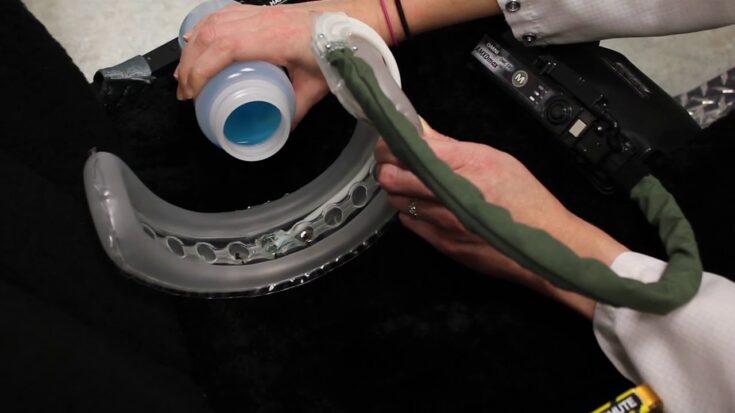
Female fighter pilots typically use a disposable in-flight relief system designed as an absorbent undergarment. Earlier systems were built entirely around male anatomy and proved impractical for women. Modern versions are designed to be more ergonomic and functional across genders, though the physical challenge of accessing them through multiple flight suit layers remains.

Newer solutions in development use an undergarment connected to a vacuum system. When the pilot needs relief, the vacuum is activated and the process completes without removing any clothing layers. If widely adopted, the system would eliminate the most physically demanding part of in-flight relief for pilots of any gender.
Managing the Problem Before It Starts
Pilots manage fluid intake carefully before and during flights to reduce how often the situation arises. Deliberate restriction of fluids, sometimes called tactical dehydration, is a real practice but carries genuine physiological costs. Dehydration degrades cognitive performance, reaction time, and physical resilience under G-forces, all of which matter considerably in a combat aircraft. The tradeoff between operational inconvenience and performance degradation has no clean answer.
When Timing Goes Wrong
Military aviation history includes at least one account that has achieved near-legendary status. During the Balkan Campaign a US fighter pilot ejecting from an aircraft hit by a surface-to-air missile was reportedly mid-process with the piddle pack still attached when the ejection occurred. The details vary depending on who tells the story but the general outline has circulated among pilot communities for decades.
The aircraft involved cost approximately $30 million. The timing could not have been worse on multiple levels.