Iran Strikes Prince Sultan Air Base Again, Damaging US Aircraft
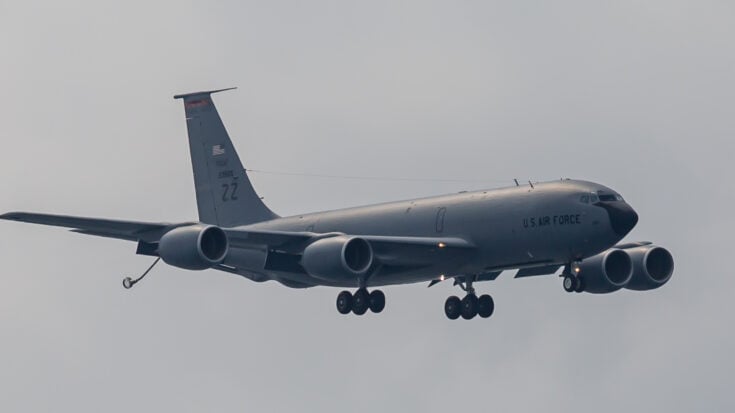
Prince Sultan Air Base in Saudi Arabia has been struck by an Iranian missile attack for the second time this month, with the Wall Street Journal reporting that several US refueling aircraft were damaged in the strike. Satellite imagery captured on March 27 showed a heat signature at an apron used by American aircraft at the base, consistent with flames and hot gases from a fire at the location.

What the Latest Strike Shows
European satellite Sentinel-2, using Short-Wave Infrared imagery, detected the heat signature at the same apron where US tanker aircraft had previously been observed parked. The Wall Street Journal, citing US and Saudi officials familiar with the matter, confirmed an Iranian missile struck the base and damaged several US refueling aircraft. The same officials noted drones were also used in the attack.
Satellite imagery appears to confirm a U.S. Air Force KC-135 Stratotanker has been destroyed and several others possibly damaged, as a result of an Iranian attack earlier today, utilizing ballistic missiles and drones, against Prince Sultan Air Base in Saudi Arabia.
Image… pic.twitter.com/o7x32UjUOb
— OSINTdefender (@sentdefender) March 27, 2026
The extent of the damage remains unclear. Previous satellite imagery showed multiple tankers parked closely together in the open on the same apron, but the available images are low resolution and do not allow visual confirmation of individual airframe damage.

CENTCOM has not commented on the latest strike.
The Earlier Attack This Month
This is the second confirmed Iranian strike on Prince Sultan this month. Earlier in March the Wall Street Journal reported that five US Air Force refueling aircraft on the ground at the base were damaged in an Iranian missile strike. Officials said at the time that the aircraft were already being repaired and none had been destroyed.
An Iranian missile and drone attack on Prince Sultan Airbase today damaged multiple aerial refueling tankers -U.S. and Saudi officials to the WSJ https://t.co/Mcdk0rZYxF pic.twitter.com/EZTLokB0UT
— OSINTtechnical (@Osinttechnical) March 27, 2026
Why Prince Sultan Is a Consistent Target
Prince Sultan Air Base sits approximately 600 kilometers from the Iranian coast in the Saudi interior, positioning it as a strategic forward operating location for US assets supporting Operation Epic Fury. The base regularly hosts tanker aircraft, AWACS airborne early warning platforms, and signals intelligence aircraft. That combination of high-value support assets concentrated at a single installation makes it one of the most consequential targets Iran can reach in the region.