The Unlikely WWII Dogfight Between a B-29 and a Japanese Floatplane
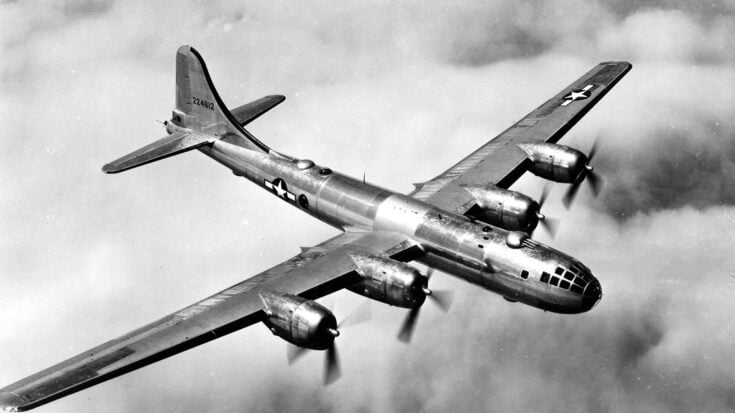
See page for author, Public domain, via Wikimedia Commons
During the Second World War, most air battles followed clear patterns. Heavy bombers flew high, fighters met them at speed, and reconnaissance aircraft avoided combat whenever possible. Yet as the war reached its final months, shortages and desperation led to encounters that few planners ever imagined.
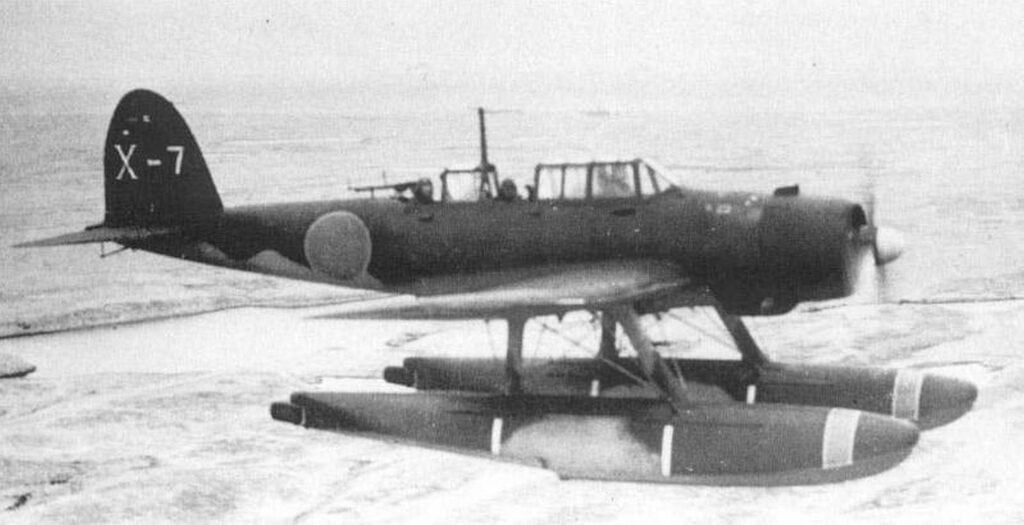
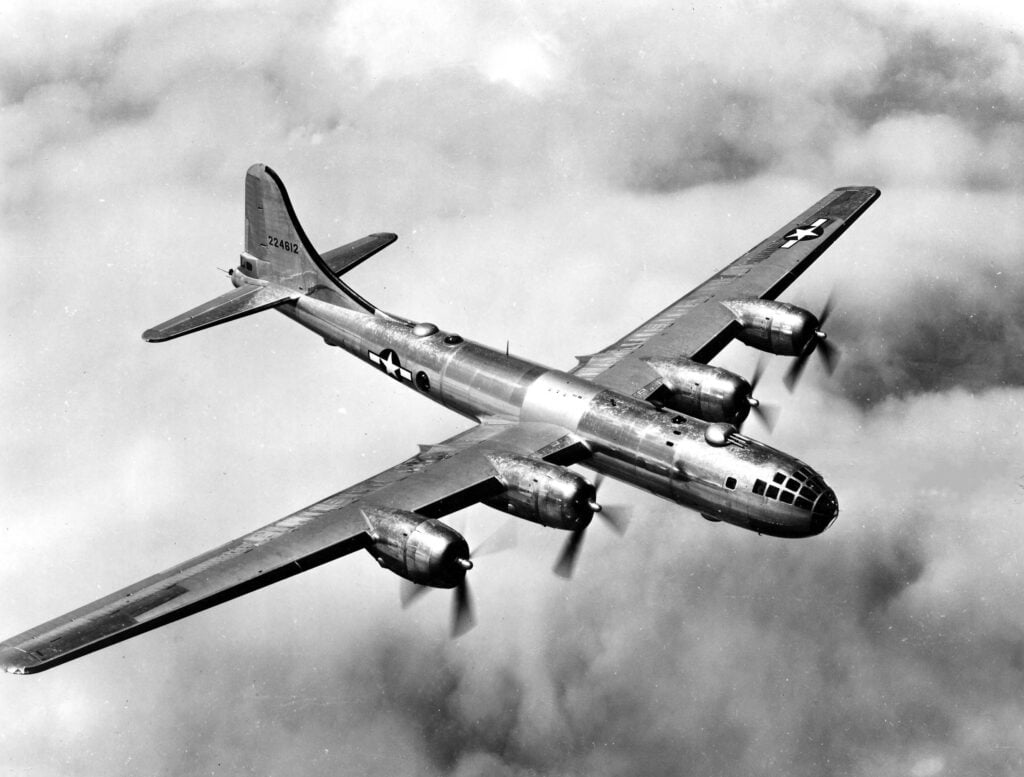
One of the strangest involved a massive American B-29 Superfortress and a small Japanese floatplane, the Aichi E13A. Designed for scouting and observation, the floatplane was never meant to face a bomber bristling with defensive guns. Still, on one morning in May 1945, the two aircraft crossed paths under unusual conditions.
A Floatplane Built for the Sea
The Aichi E13A was developed before the war to replace older ship-based reconnaissance aircraft. It was designed to launch from naval catapults, scout ahead of fleets, and return by landing on open water. Folding wings allowed it to fit aboard cruisers and tenders, making it useful for long patrols.
The aircraft carried a crew of three and relied on range and visibility rather than firepower. Early versions had only a single rear-facing machine gun. Later models added downward-firing cannons meant for light attack missions, but protection remained limited. There was no crew armor and no self-sealing fuel tanks.
Widespread Use and Growing Risk
Once war began, the E13A appeared across the Pacific. It scouted coastlines, searched for enemy ships, guided naval strikes, and even carried small bombs or depth charges. Its endurance allowed long flights over empty water, often lasting many hours.
As Allied air power increased, these missions became dangerous. American fighters dominated large areas, and slow floatplanes were easy targets. Still, shortages forced crews to keep flying, sometimes in roles far beyond what the aircraft was designed to do.
The B-29 and an Unexpected Encounter
By 1945, American B-29s operated deep over Japanese-controlled waters. Some were assigned to air-sea rescue support, standing by to help downed aircrews. These aircraft were large, fast, and heavily armed, with multiple gun turrets covering most angles.
On May 5, 1945, one such B-29 was supporting a submarine patrol in the Tsushima Strait area. Nearby, a Japanese E13A and a float-equipped Zero were conducting a routine patrol. When the submarine submerged and reported the aircraft, the B-29 moved in to investigate.
A Dogfight That Should Not Have Happened
Seeing the approaching bomber, the float-equipped Zero disengaged and returned to base. The E13A did not. Whether out of duty or lack of options, the floatplane turned to face the B-29 alone.
What followed resembled a dogfight in form only. The B-29 used its defensive guns as it maneuvered, while the floatplane attempted to attack despite its limited speed and weapons. The engagement was witnessed from the surface by the resurfaced submarine crew.
The Outcome and Its Meaning
The result was predictable. The E13A was struck by gunfire and caught fire, crashing into the sea mid-morning. Two crew members were killed. The observer survived with serious wounds and was rescued by the submarine shortly afterward. He later returned home after the war and kept contact with the medic who treated him.
This encounter did not reflect poor design as much as harsh circumstances. The E13A was effective in its intended role during earlier years. By 1945, however, it was being asked to confront aircraft and missions it was never built to face.
An Aircraft Remembered Quietly
The Aichi E13A served with several nations after the war and remained in use for years. Despite being the most produced Japanese floatplane of the conflict, none survive intact today. Its story, including its clash with a B-29, shows how changing conditions can force machines and crews into situations far beyond their original purpose.