

The Difference Between The Hurricane vs The Spitfire
YouTube / Imperial War Museums
During the Battle of Britain and the early years of World War II, the Hawker Hurricane and the Supermarine Spitfire became the backbone of RAF Fighter Command. Though often grouped together, they were very different aircraft in design, performance, and battlefield role. Each brought strengths that shaped how Britain fought and survived the air war over Europe.
Construction and Battle Damage
The Hurricane was built using a traditional steel tube framework covered with fabric and light metal panels. This made it easier to manufacture, easier to repair, and more forgiving in combat. Combat reports showed Hurricanes could absorb serious damage and still return to base. In some cases, cannon shells passed through fabric-covered sections without detonating, allowing the aircraft to survive hits that might have crippled other fighters.

The Spitfire used advanced stressed-skin aluminum construction, forming a true monocoque structure. This gave it a smoother, stronger airframe and reduced drag. The tradeoff was that battle damage was often harder to repair in the field. The Spitfire’s structure favored performance, while the Hurricane favored durability and rapid repair.
Speed, Climb, and Dive Performance
The Spitfire held a clear advantage in speed and climb. Its aerodynamic wing and lighter structure allowed it to climb faster and catch German fighters in vertical maneuvers. In a dive, the Spitfire could pursue a Messerschmitt Bf 109 more effectively, making it better suited for high-speed interception and fighter-versus-fighter combat.

The Hurricane was slower and climbed more gradually. It could not match the Spitfire in sustained high-speed chases or vertical engagements. However, its predictable handling made it stable and effective in steady attack profiles.
Turning and Handling
At lower speeds, the Hurricane could outturn the Bf 109 and remain competitive in turning combat. Its larger wing and forgiving handling gave pilots confidence in tight maneuvers.
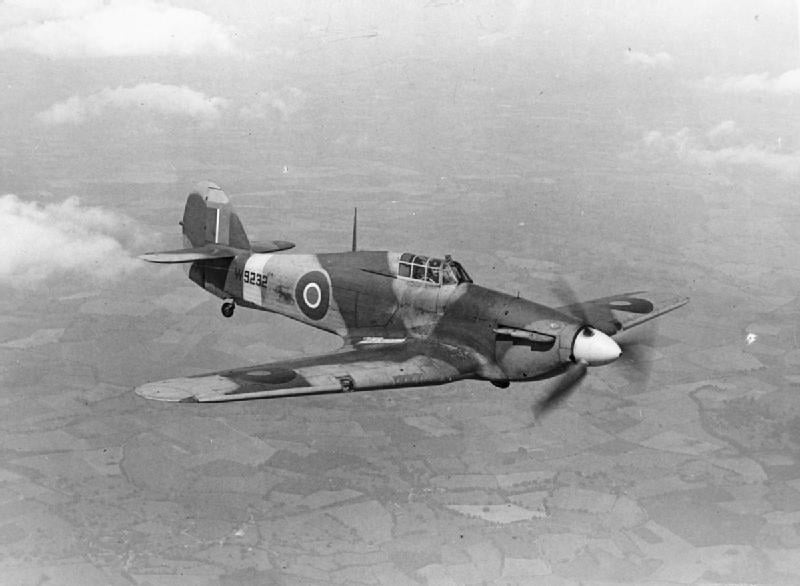
Pilots often described the Hurricane as a steady gun platform, while the Spitfire felt sharper and more responsive. Each had advantages depending on altitude and combat style!







