This Day in WWII (1944): Fifteenth Air Force B-24s Bomb Durazzo With Spitfire Escorts
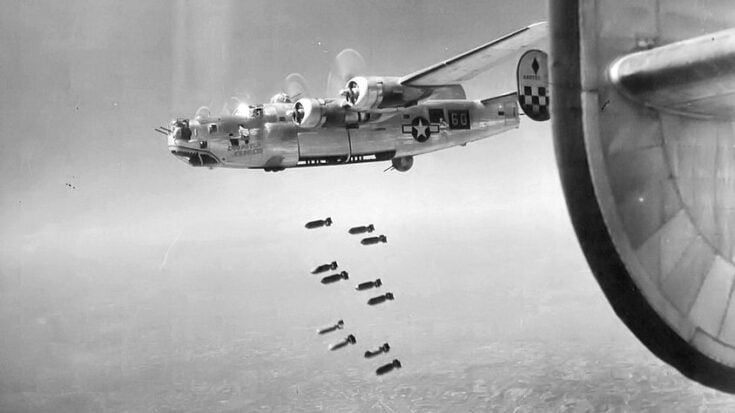
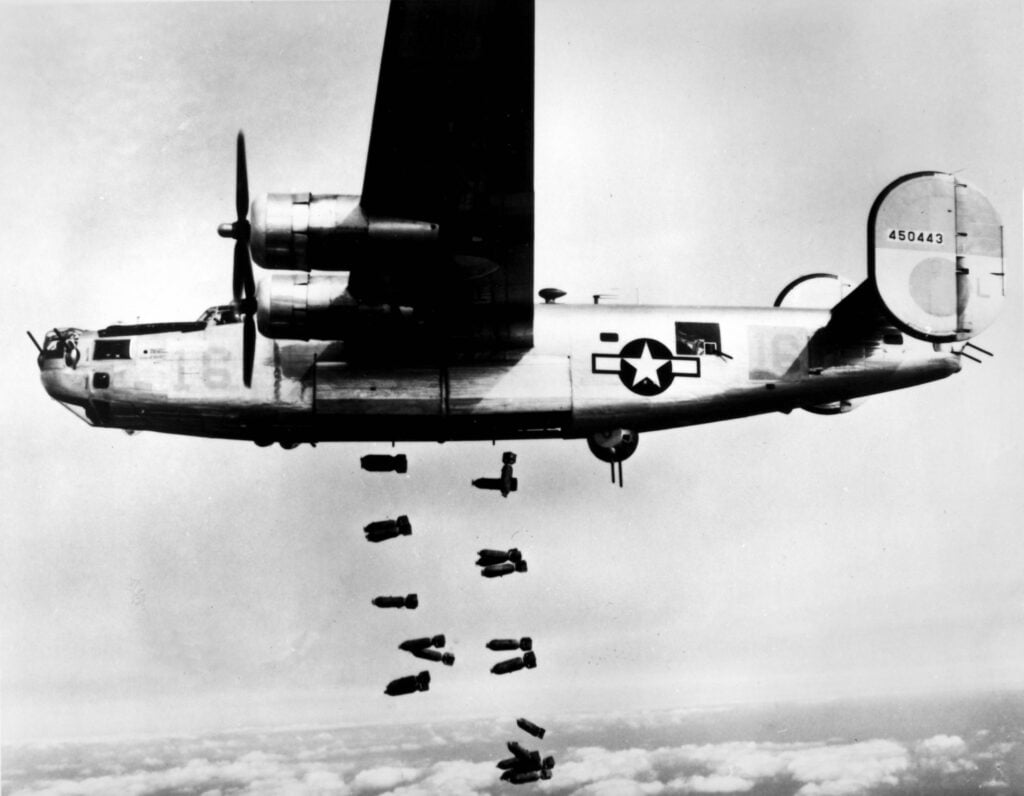
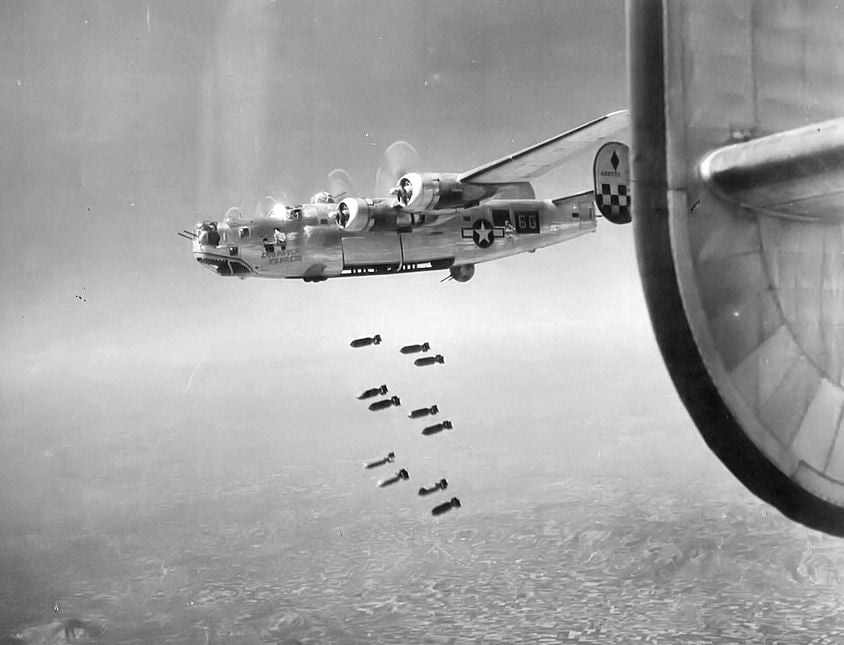
United States Army Air Forces, Public domain, via Wikimedia Commons
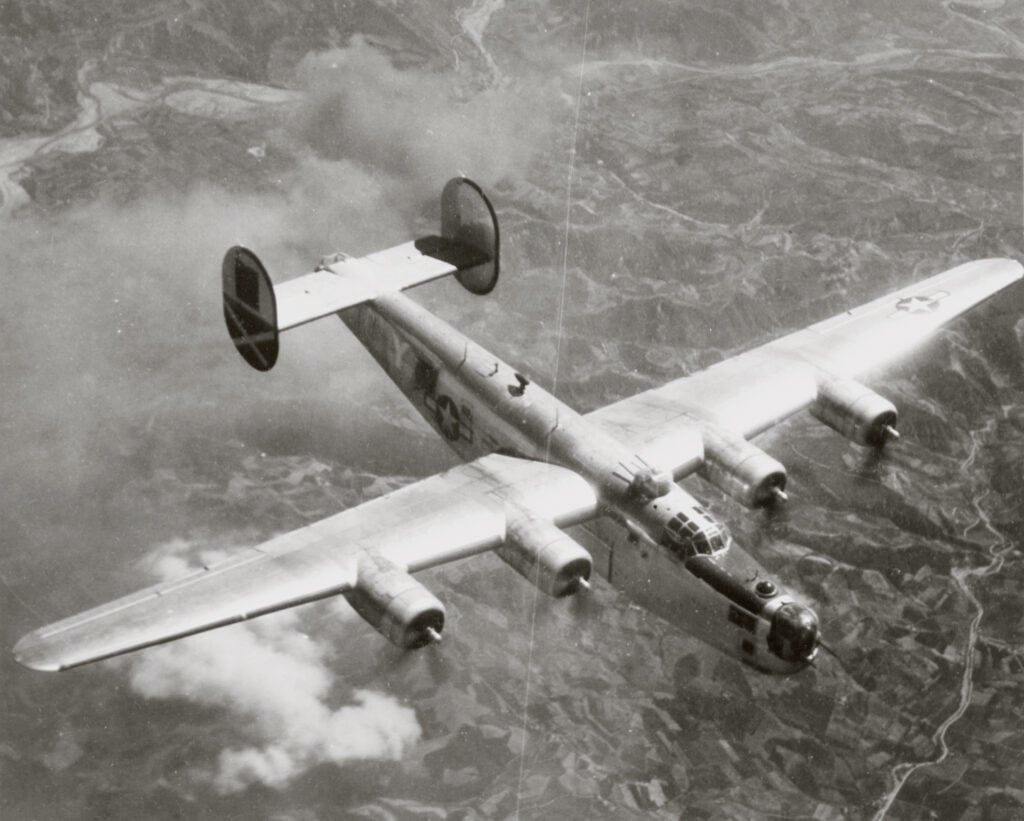
On February 2, 1944, the Fifteenth Air Force launched a strike on the port city of Durazzo, then under German control in Albania. This mission targeted a radar station and surrounding facilities that played a key role in the enemy’s early warning system and defensive coordination along the Adriatic coast. Heavy bombers such as the Consolidated B‑24 Liberators carried out the attack, while British Supermarine Spitfires provided close escort to protect the bombers from German fighter aircraft. The operation highlighted the growing coordination between American and British air forces in the Mediterranean theater.
The Strategic Importance of Durazzo
Durazzo, now known as Durrës, was a vital port on the Adriatic Sea. It served as a hub for transportation, supply, and communications, allowing German forces to move reinforcements and maintain control over occupied territories in the Balkans. Its radar installations were particularly important because they could detect incoming Allied aircraft, giving German fighters time to intercept bombers before they reached other targets in Italy and the Adriatic. Allied planners saw neutralizing this installation as essential to reducing losses during ongoing air campaigns in the region.
The Fifteenth Air Force, based in Italy, had been conducting long-range bombing missions across the Balkans since its formation in late 1943. By early 1944, Durazzo’s radar site and port facilities had become high-priority targets, as they directly supported German air defenses and naval operations along the coast. Disabling these installations would allow subsequent bombing raids to operate with fewer interceptions by enemy fighters.
Planning the Raid
The raid on February 2 involved a formation of B‑24 Liberators equipped with heavy bomb loads. These aircraft were capable of carrying large quantities of explosives over long distances, making them ideal for deep strikes against well-defended targets. Crews received detailed briefings on flight routes, expected anti-aircraft defenses, and enemy fighter tactics. Weather conditions were considered carefully, as clear visibility over the target would improve bombing accuracy while still allowing for fighter protection.
British Spitfires provided top cover for the bombers during the mission. Their role was to engage any German fighters that attempted to intercept the B‑24s before and after reaching the target area. The coordination between American heavy bombers and British fighters was a reflection of Allied cooperation, with both nations’ air forces integrating tactics to maximize effectiveness and reduce losses.
Executing the Bombing Mission
As the formation approached Durazzo, German anti-aircraft guns opened fire, creating flak bursts in the sky. Bombardiers relied on pre-briefed markers and visual cues to drop their explosives on the radar station and nearby facilities. The B‑24 crews flew steadily through bursts of flak, maintaining formation and timing to ensure maximum concentration of bombs on the target. Observers later reported that the radar station and surrounding buildings were heavily damaged, effectively reducing the enemy’s ability to track incoming aircraft from the Adriatic.
The Spitfires flew alongside the bombers, patrolling at higher altitudes and performing defensive sweeps. A few German fighters attempted to break through the cover, but the combined firepower and speed of the escort planes forced them to retreat. This protection allowed the bombers to release their payloads accurately and return to base with minimal losses.
Immediate Effects of the Strike
The destruction of the radar installation at Durazzo had an immediate effect on German air operations along the Adriatic coast. Without early warning from the radar station, German forces found it harder to position fighters for interceptions, giving subsequent Allied bombing missions in the region a better chance of reaching their objectives. The port facilities and surrounding infrastructure were also impaired, slowing enemy supply and troop movements.
This operation demonstrated the value of combining long-range bombers with fighter escorts to strike high-value targets deep behind enemy lines. It also underscored the importance of multinational coordination, as American bombers and British fighters worked together to achieve the mission’s goals. The February 2 raid on Durazzo was one of several in early 1944 that systematically weakened German defensive capabilities in the Balkans and the Italian theater.