This WWII Fighter Was a Disaster on Paper — But Did History Judge It Too Harshly?
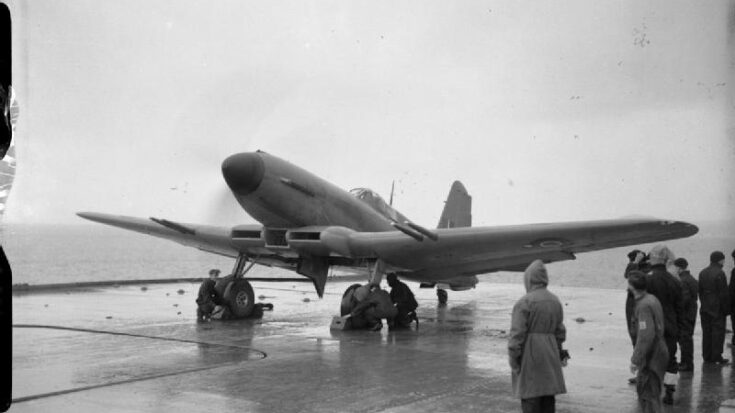
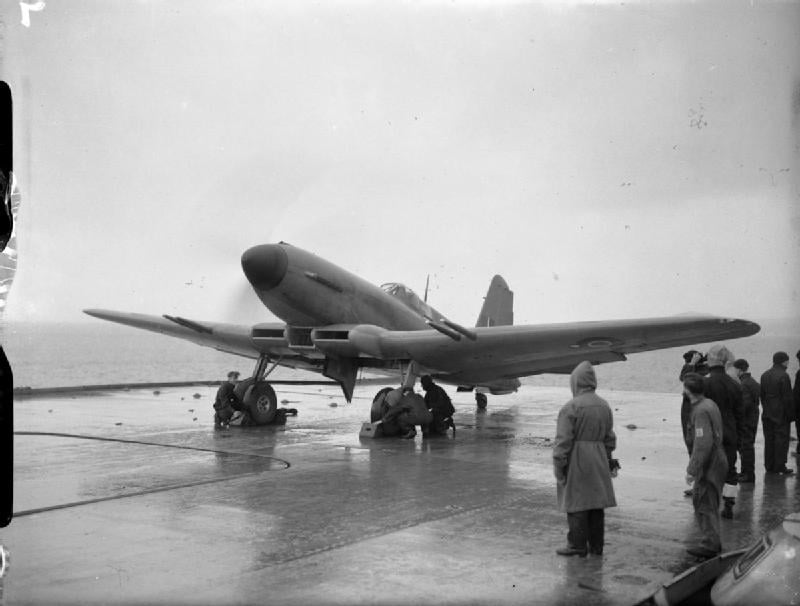
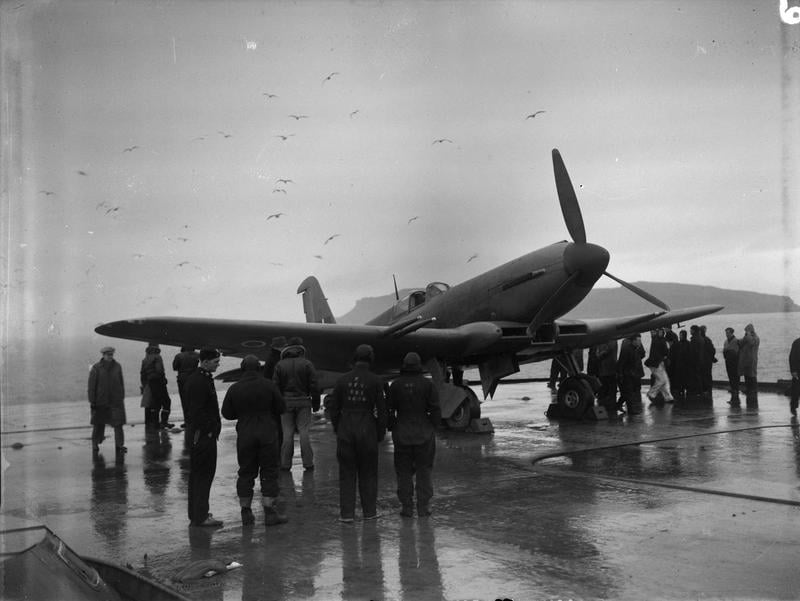
Oulds, D C (Lt), Royal Navy official photographer, Public domain, via Wikimedia Commons
The Blackburn Firebrand is often remembered as one of Britain’s most troubled carrier aircraft of the Second World War. It never saw combat, arrived late, and suffered from design choices shaped by constant rule changes. Yet its story is more complex than a simple failure, and it reflects the pressures of wartime planning and rapid change.
A Design Born From Confusion
The Firebrand began in March 1939, when the Air Ministry issued a requirement for a new naval fighter to replace several older types. Early thinking favored long range, careful navigation, and a second crew member for overwater flying. Within months, this idea shifted again and again, as new specifications changed the number of seats, gun layout, and even the basic role of the aircraft.
In less than a year, no fewer than five official requirements were issued. Each revision forced Blackburn’s design team to adjust drawings and calculations already in progress. By the time the final version emerged, the original purpose had almost vanished, replaced by a compromise shaped by urgency rather than clarity.
Power and Promise
Blackburn’s design centered on the Napier Sabre engine, a powerful liquid-cooled unit producing more than 2,300 horsepower. On paper, this placed the Firebrand in the same class as the most advanced land-based fighters of the period. The airframe was large and strong, with folding wings, heavy flaps, and a wide undercarriage suited for carrier decks.
Armament consisted of four 20 mm cannons, and projected performance suggested high speed and good altitude capability. The first prototype flew in February 1942, and early trials confirmed that the wing design allowed safe low-speed handling. However, pilots quickly noted poor forward visibility and weak directional control during landing approaches.
Events Beyond Control
By 1943, the Firebrand’s future changed sharply. The Sabre engine entered short supply and was reserved for the Hawker Typhoon, which had become essential to the Royal Air Force. At the same time, better carrier fighters were entering service, including British and American types that met fleet needs more effectively.
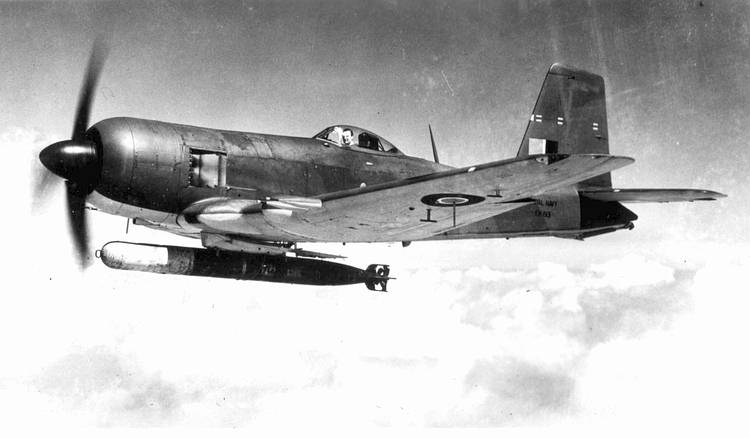
With its engine gone and its role filled, the Firebrand lost its reason for existence. Rather than cancel the project outright, authorities ordered Blackburn to convert it into a strike aircraft capable of carrying a torpedo. This required major structural changes, including widening the fuselage center section to fit the weapon.
A Strike Aircraft That Struggled
The redesigned Firebrand flew in this new form in 1943, but engine shortages forced yet another change. The aircraft was rebuilt around the Bristol Centaurus radial engine, which provided strong power but created new problems. Increased torque made takeoffs dangerous, and control issues became more severe during carrier operations.
Testing revealed poor visibility, weak arrestor gear, and a tendency to lose control near stall speed. As a result, aircraft delivered in late 1944 were not sent to combat units but kept for trials and evaluation. The design was repeatedly refined in hopes of making it safer.
Late Improvements and Quiet Service
The final version featured a larger fin, improved controls, and better cockpit visibility. It could carry torpedoes, heavy bombs, or rockets, finally matching its intended strike role. Production remained limited, and only a small number reached squadrons after the war in Europe had ended.
In postwar service, the Firebrand operated from several carriers but never fired a shot in anger. Jet aircraft soon made large piston fighters obsolete, and the type was withdrawn in 1953. No examples survive today, leaving historians to debate whether the Firebrand failed by design, or by timing alone.