US and Iran Agree to Two-Week Ceasefire as Strait of Hormuz Reopens
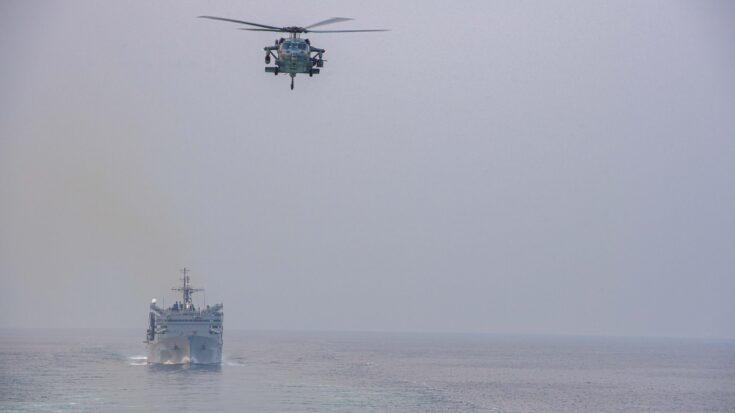
The United States and Iran have agreed to a conditional two-week ceasefire, pausing more than a month of strikes and counter-strikes that have reshaped the Middle East, with shipping through the Strait of Hormuz set to resume under Iranian military coordination.

Pakistan’s Prime Minister Shehbaz Sharif, who has played a central role in brokering the deal, announced the ceasefire as effective immediately in the early hours of Wednesday. The agreement came just hours after President Trump issued some of his most severe warnings of the conflict, threatening that a “whole civilisation will die tonight” if Iran refused to reopen the strait.
What Each Side Has Agreed To
Trump said he had agreed to suspend strikes on Iran for two weeks, citing that the US had “already met and exceeded all military objectives.” In exchange, Iran agreed to allow vessels through the Strait of Hormuz, a waterway through which roughly a fifth of the world’s oil flows during peacetime, with passage coordinated by the Iranian military.
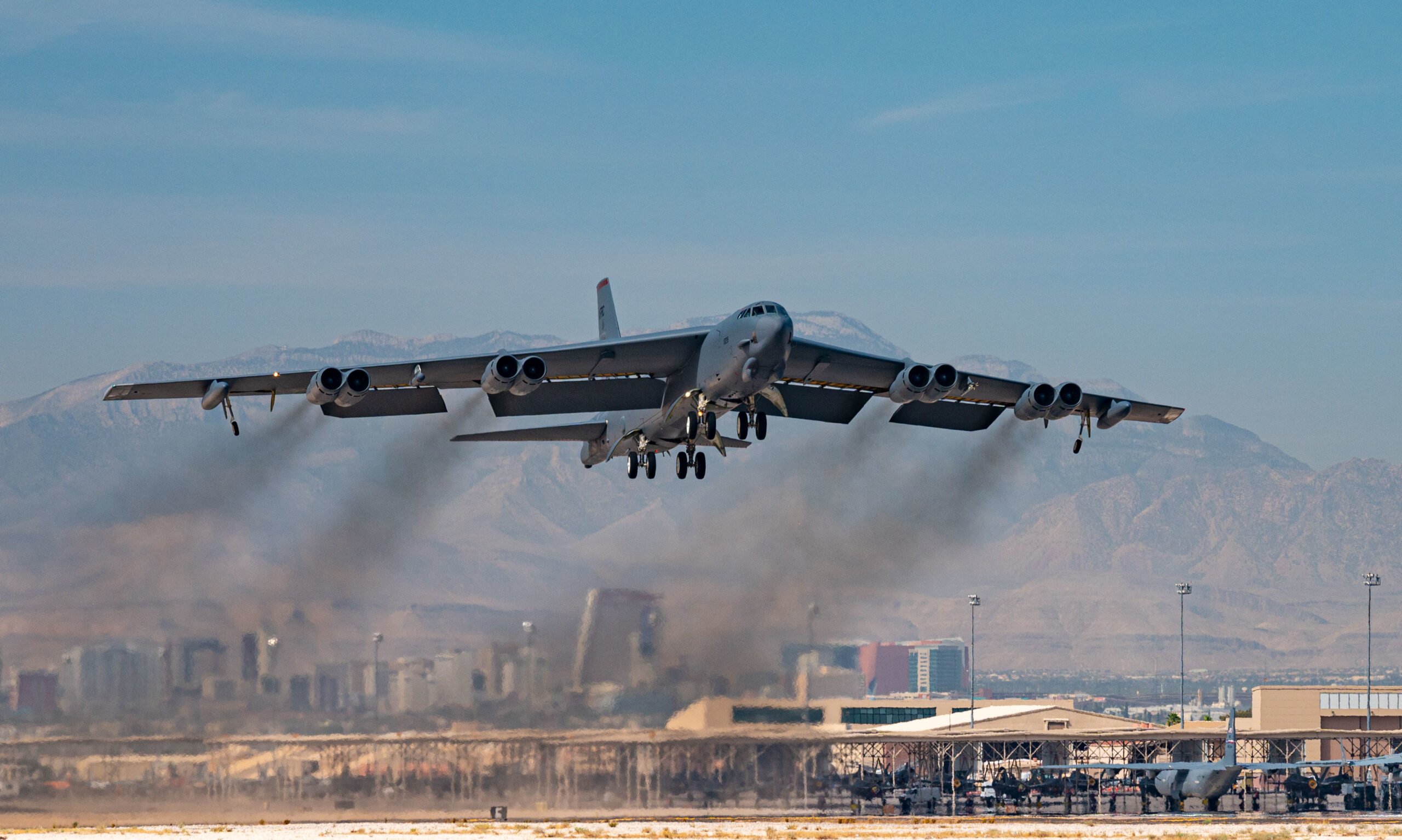
Iran simultaneously published a 10-point plan outlining its conditions for a permanent settlement. The proposal includes a full cessation of hostilities across Iran, Iraq, Lebanon, and Yemen, the lifting of all US sanctions, the release of frozen Iranian assets, and full compensation for reconstruction costs.
It also calls for Washington to accept Iran’s uranium enrichment program, which had previously been a firm red line for the Trump administration, and for the withdrawal of all US forces from regional bases. Iran’s Supreme National Security Council framed the agreement as a consolidation of what it called battlefield achievements, and Iranian state media was careful to note that the ceasefire does not constitute an end to the war.

The two positions leave significant gaps.