Japanese Floatplanes Exposed Everything — And the ABDA Fleet Paid the Price
via História, Pacífico e Armas / YouTube
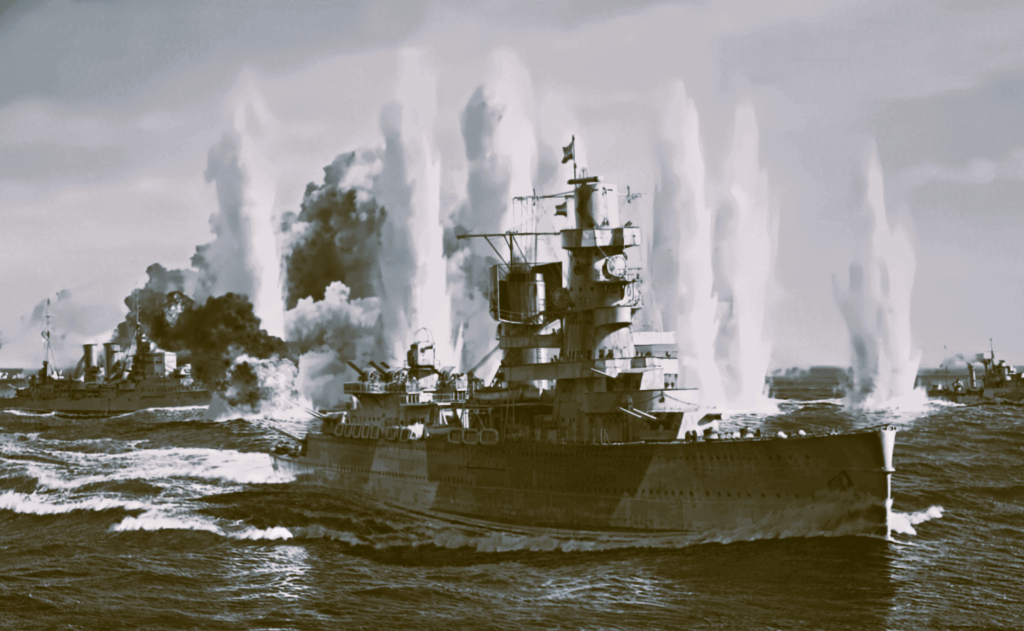
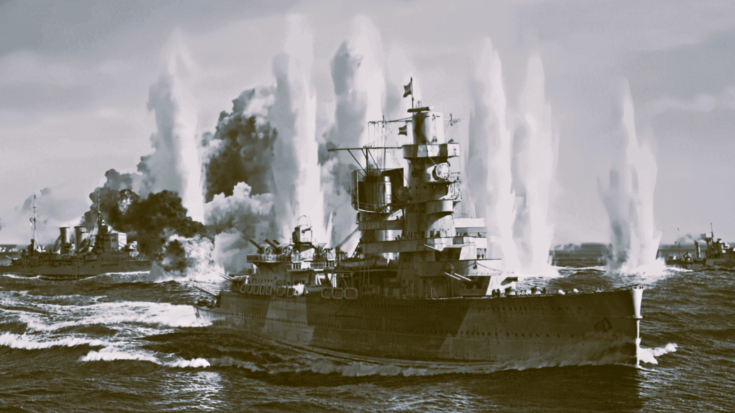
In late February 1942, Allied naval forces gathered in the waters north of Java for what would become one of the most damaging sea battles of the early Pacific war. The clash, known as the Battle of the Java Sea, unfolded on February 27 as part of Japan’s drive into the Dutch East Indies. Though remembered as a surface engagement between cruisers and destroyers, the battle also revealed the growing power of naval aviation.
Air support, or the lack of it, shaped the fight in quiet but decisive ways. Japanese ships operated with the advantage of aerial spotting, while the Allied force, known as ABDA for American, British, Dutch, and Australian Command, faced the enemy with little reliable air cover. That imbalance helped determine the outcome.
Eyes in the Sky Over Java
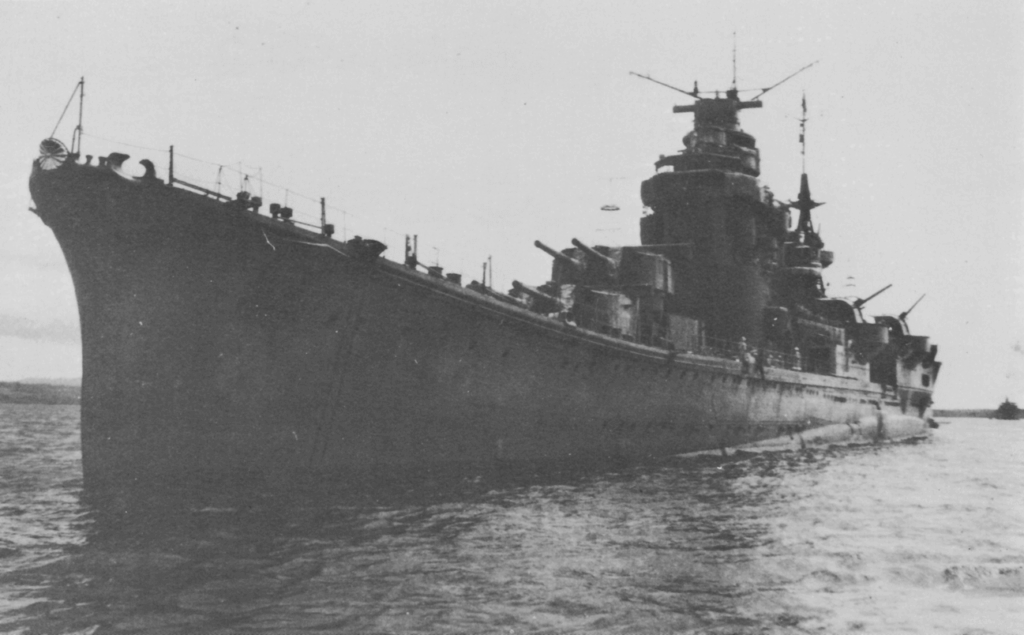
The Japanese striking force was commanded by Rear Admiral Takeo Takagi and included heavy cruisers such as Nachi and Haguro, supported by light cruisers and destroyers. These cruisers carried floatplanes that could be launched by catapult. Once airborne, the small aircraft circled high above the fleet, watching the movements of opposing ships and reporting back by radio.
Floatplanes from ships like Nachi provided steady updates on Allied positions. From their vantage point, observers could measure distance, heading, and formation. This allowed Japanese commanders to adjust their battle line with care. When long-range torpedoes were fired, especially the Type 93 oxygen-powered weapons, they were launched with information drawn from these aerial reports. The coordination between ships and aircraft increased the reach and accuracy of attacks.
A Fleet Fighting Blind
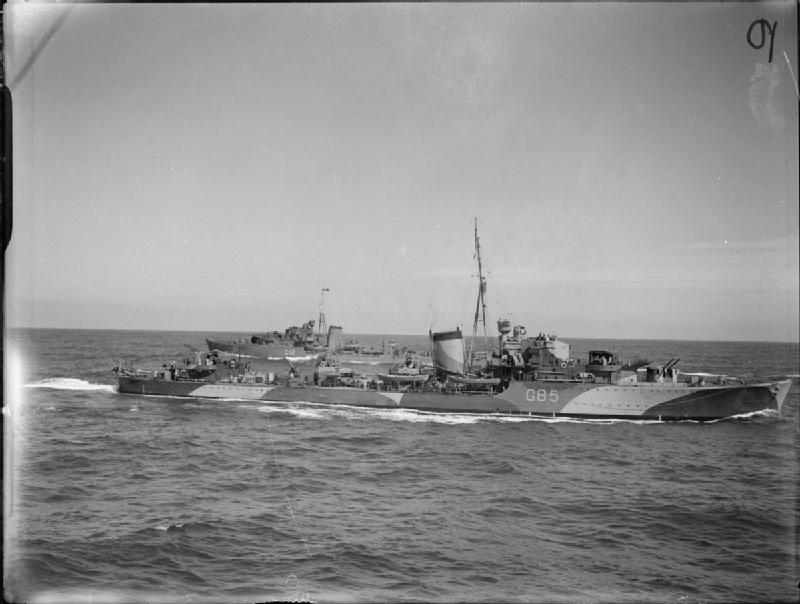
On the Allied side, the situation was very different. The ABDA fleet was led by Dutch Rear Admiral Karel Doorman. His force included the Dutch cruisers De Ruyter and Java, the British heavy cruiser Exeter, the American cruiser Houston, the Australian cruiser Perth, and several destroyers. While these ships were armed and ready, they had almost no effective aerial reconnaissance during the battle.
Allied air units in the region had already been weakened by earlier fighting. Airfields in the Dutch East Indies were under pressure, and available aircraft were few in number. Communication between naval and air units was limited. As a result, Doorman’s force entered combat without clear knowledge of enemy positions beyond what could be seen from shipboard lookouts. In open water, that lack of vision proved costly.
Torpedoes in the Dark
As the battle developed through the afternoon and into the evening, Japanese floatplanes continued to report Allied movements. The Japanese fleet was able to maintain distance and launch torpedoes from beyond the effective range of many Allied guns. The Type 93 torpedoes, with their long reach and heavy warheads, were especially dangerous.
Late in the engagement, torpedoes struck the Dutch cruisers De Ruyter and Java. Both ships suffered severe damage. De Ruyter caught fire and later sank, taking Admiral Doorman with her. Java also went down after being hit. The loss of these cruisers weakened the Allied line and broke its ability to continue coordinated resistance.
The Battle of the Java Sea ended in a clear Japanese victory. While gunnery duels and night maneuvers played their part, the steady stream of information from floatplanes gave one side a strong edge. The ABDA fleet fought with courage, but without reliable air support or effective scouting, it faced an opponent that could see more, strike farther, and react faster across the waters north of Java.