





Why These Japanese Kamikaze Pilots Were Shamed After They Survived
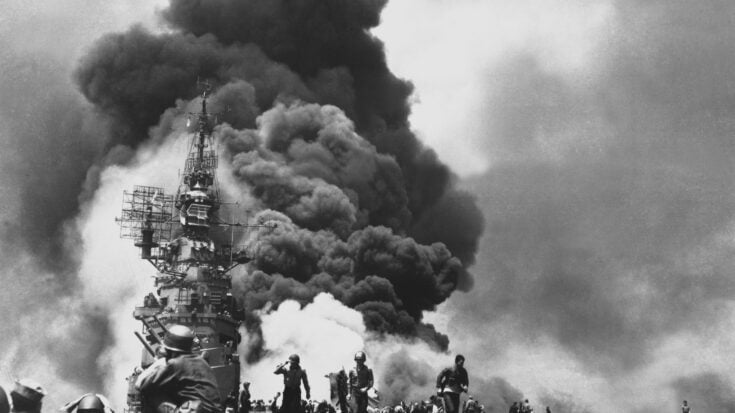
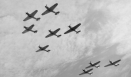
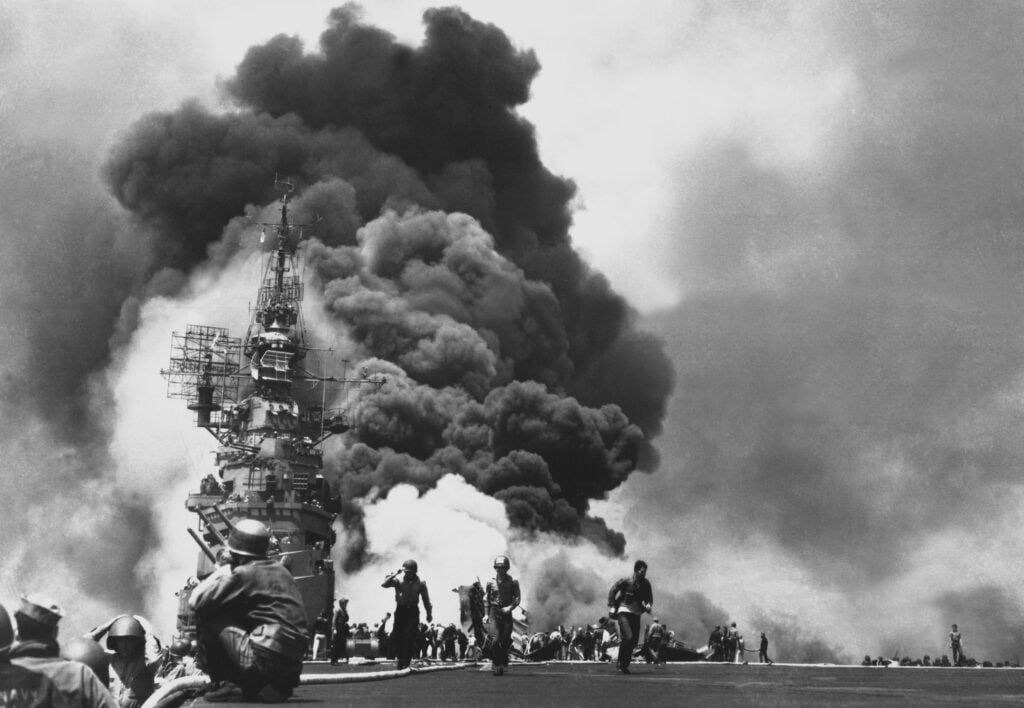
U.S. Navy; The original uploader was Quercusrobur at English Wikipedia.., Public domain, via Wikimedia Commons
Many know stories of kamikaze pilots who died in World War II. Far fewer know the stories of the men who lived. These young pilots were trained for one mission. They were told that dying was their duty. When the war ended before their flight began, they faced a world where their training no longer had meaning.
The Plan for One-Way Missions
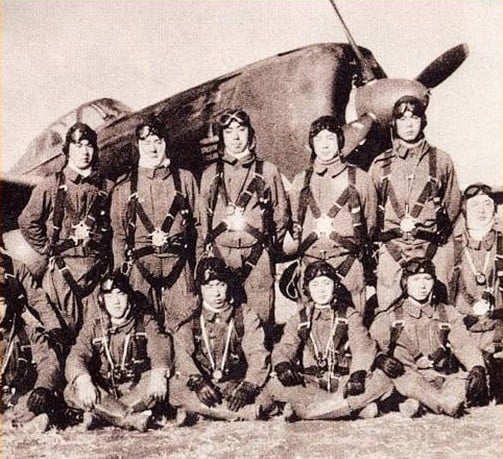
In the last years of the war, Japan created a plan called tokubetsu kogeki, often shortened to tokotai. It was a desperate measure in a losing situation. Young pilots, some still in their teens, were sent out with basic flight skills. The aircraft was the weapon, and the mission had only one path forward. Many never reached their targets.
Some missions stopped before they began. Engines failed. Weather closed in. Others were shot down before finding a target. Many were still waiting when Japan surrendered. They were alive because the war changed faster than their orders. They had written farewell letters. Their families believed they would not return. When the surrender came, the pilots did not know what life meant.
The Shame of Survival
Japan’s surrender on August 15, 1945 brought relief to most people. For kamikaze survivors, the moment brought confusion. They had prepared to die. They believed their role was fixed. Now they woke to peace, but peace did not welcome them. Their sense of duty had no place in the new society. They carried a feeling that they had failed a mission, even though they never chose the mission itself.
After the war, Japan wanted distance from its military past. The country worked to rebuild cities and identity. The survivors found silence around them. Speaking about the missions felt dangerous. Many hid their stories. Their memories stayed inside their homes. Some felt deep guilt for outliving their friends. Others feared being seen as men who refused orders.
A Lost Generation After the War
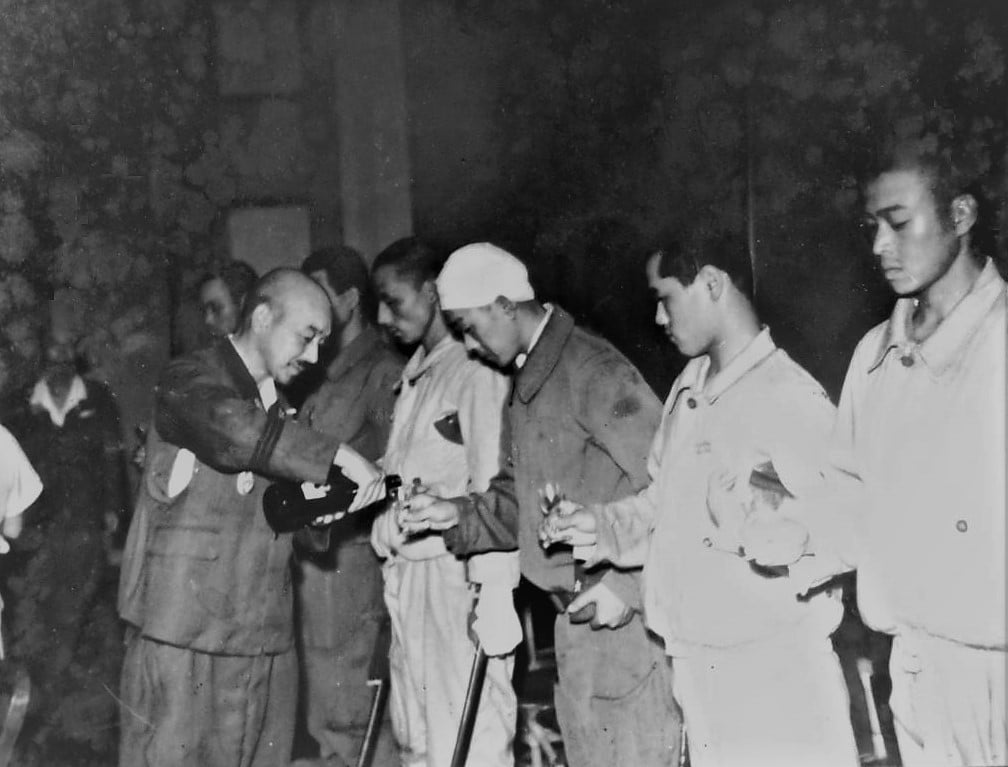
The government had few resources. Society had no plan for men trained only to sacrifice themselves. These pilots had to build lives without guidance. Many struggled with anxiety and fear. They had nightmares long before people understood trauma from war. Some moved to rural areas and avoided speaking about the past. They searched for work without a clear path forward.
Some became farmers, factory workers, or teachers. They built ordinary lives while carrying memories. Many never told their families what they trained for. Their stories were rarely recorded because the country tried to move on. The stories were heavy, and there was little space for heavy stories in a nation focused on rebuilding.
Finding a Voice
Not all stayed silent. Some survivors found purpose by confronting their past. A few wrote books and shared their experience. They described the pressure placed on young men. They explained how training shaped their view of duty. They spoke about the loss of friends. These men hoped others would understand the human cost of war.
Some survivors visited schools and talked to students. They warned against blind loyalty and extreme nationalism. They wanted young people to see the pain that grows when a country tells children that dying is the highest act. Museums later showed material that explained why these young men believed they had no future except to crash their aircraft.
Remembering the Human Story
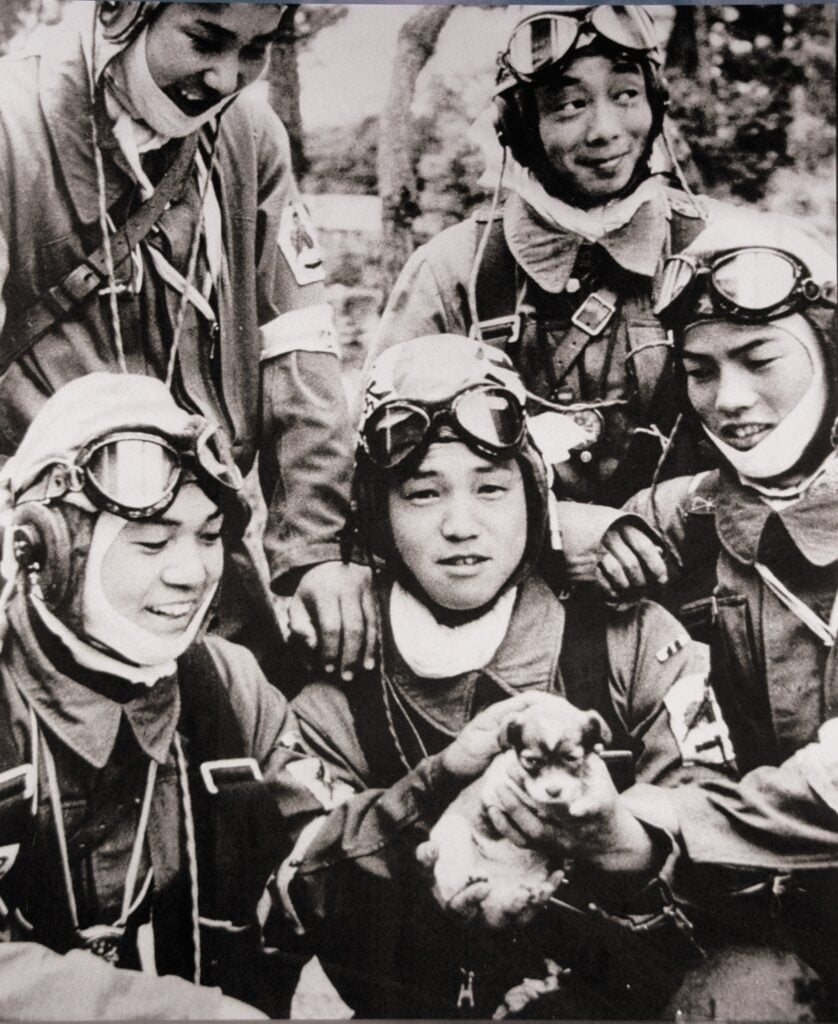
Decades later, Japan began to study the war with more open discussion. Historians collected personal records. Exhibits told how the plans were created and how many young men were sent to die. These survivors were not symbols or myths. They were boys placed inside a system larger than their understanding. They lived long lives carrying memories they never asked for.
Their survival reminds us that war does not stop when fighting ends. The impact continues in the lives of people who return home. The kamikaze survivors lived with a role that never fit in peace. Their experience shows how war can take futures from young men even when they survive.


![[1]](https://commons.wikimedia.org/wiki/File:A_Shimbu_unit_with_Nakajima_Ki-84.jpg)
