

Kamikaze: Why Most Attacks Missed Their Targets?
YouTube / WW2 Did You Know?
Origins of the Kamikaze Program
Kamikaze units were formed in 1944 as Japan’s military position in the Pacific deteriorated. Aircraft losses had become unsustainable, fuel shortages limited training and operations, and experienced pilots were increasingly scarce. Japanese leaders responded by creating special attack units tasked with one way missions. Pilots were ordered to crash their aircraft directly into Allied warships in an effort to cause decisive damage using minimal resources.

The first coordinated kamikaze attacks occurred in October 1944 during the Battle of Leyte Gulf. The strategy relied on human guidance to overcome ship defenses, with aircraft loaded with fuel and explosives intended to strike critical areas of Allied vessels.
The Reality of Combat Effectiveness
Kamikaze attacks created immediate psychological pressure on Allied crews. Knowing that an attacker had no intention of surviving altered how sailors perceived incoming aircraft. A single successful impact could disable or sink a destroyer or severely damage a carrier.

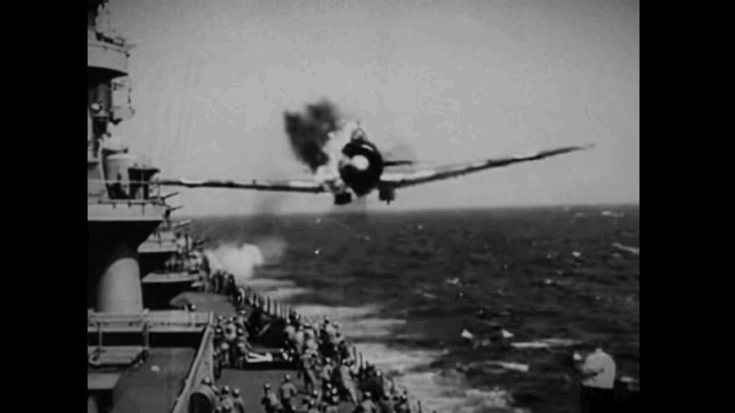
Despite this fear factor, most kamikaze attacks failed. Allied radar provided early warning, allowing fighters to intercept attackers at distance. Ships maneuvered at high speed while maintaining dense anti aircraft fire, forcing pilots to adjust their approach under extreme pressure.
Training, Equipment, and Human Limits
Many kamikaze pilots received only brief flight training and lacked experience in precision attack flying. Aircraft were often outdated or poorly maintained, increasing the chance of mechanical failure. Even pilots who reached their targets frequently misjudged speed, altitude, or angle, resulting in near misses or non critical strikes.

Approximately 3,800 pilots died in these missions. Wartime propaganda portrayed them as heroic volunteers, while Allied observers viewed the tactic as evidence of desperation. Postwar analysis increasingly recognizes many pilots as victims of a collapsing military system. Some records also indicate the use of stimulant drugs to suppress fear and fatigue, a practice common in Japan during the war’s final months.
Strategic Outcome
Kamikaze attacks inflicted damage but failed to alter the course of the war. Their limited success, combined with extreme human loss, highlighted the tactical and moral limits of the strategy as Japan approached defeat.







