Mocked by the Luftwaffe, Defied by Fate How Douglas Bader Became a WWII Ace
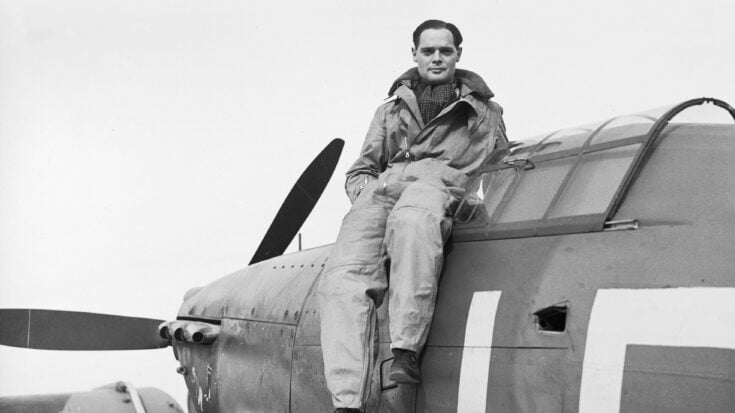
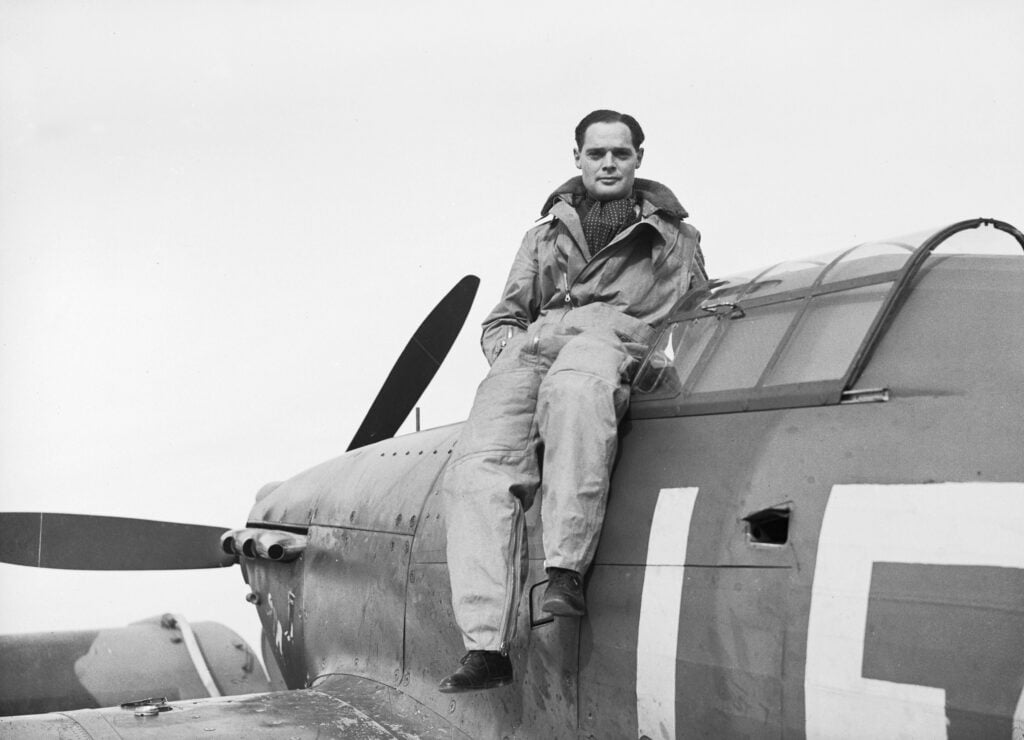
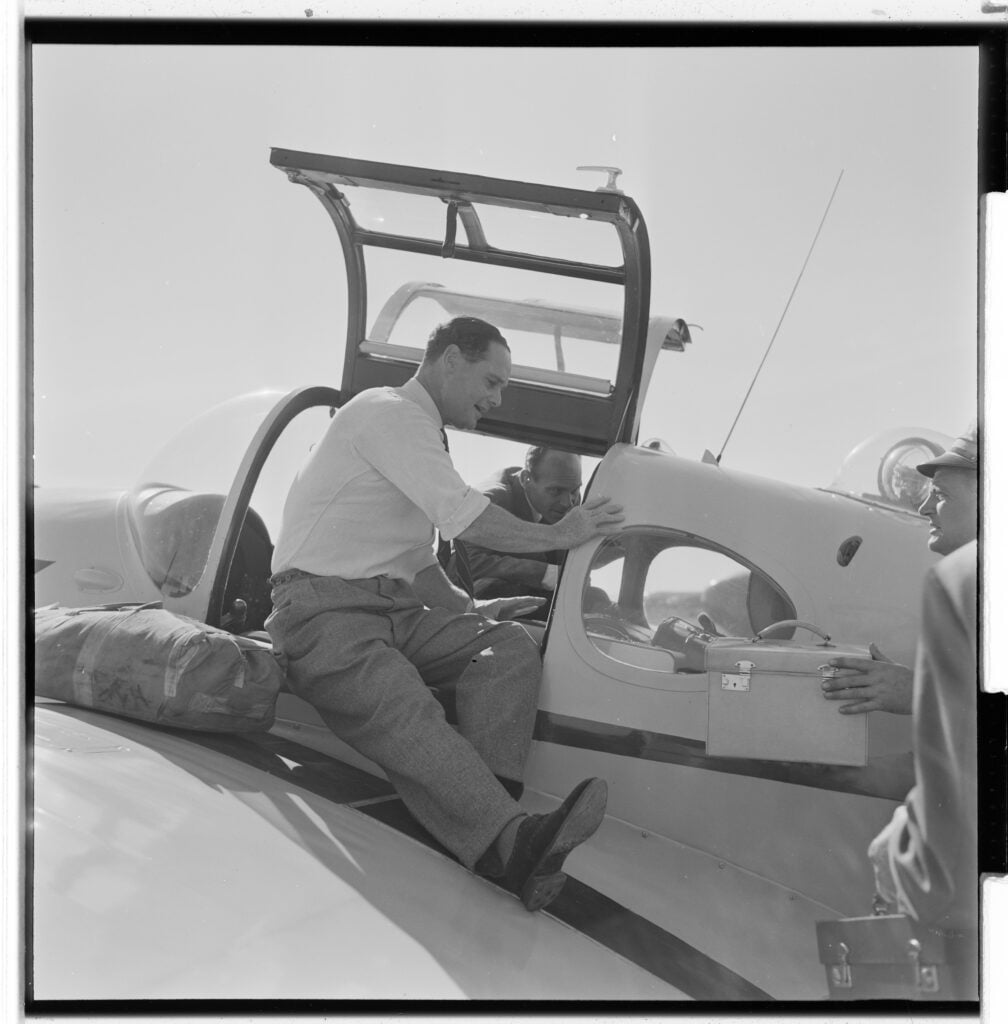
Photo by Stanley Devon, Public domain, via Wikimedia Commons
Douglas Bader was a man the world thought could not fly. After losing both legs in a terrible air show accident, doctors told him he would never walk again. The Royal Air Force removed him from flying duties, believing a pilot with prosthetic legs could never control an aircraft. Yet Bader refused to accept this fate. He trained relentlessly, learning to walk, climb stairs, and even dance on his metal legs. Every step strengthened his determination. When war erupted across Europe, Bader found a second chance that peace had never offered him: the sky awaited.
The young athlete-turned-pilot had faced an impossible challenge, but he was driven by a vision that others could not see. His return to flight was not easy. He argued with RAF officials, trained tirelessly, and finally earned a place back in the air. Climbing into a Miles Master trainer, Bader proved he could perform aerobatics and maintain full control, even under the stresses that would challenge a fully able-bodied pilot. His determination and skill forced the RAF to recognize what others had once dismissed as impossible.
From Rejection to Combat
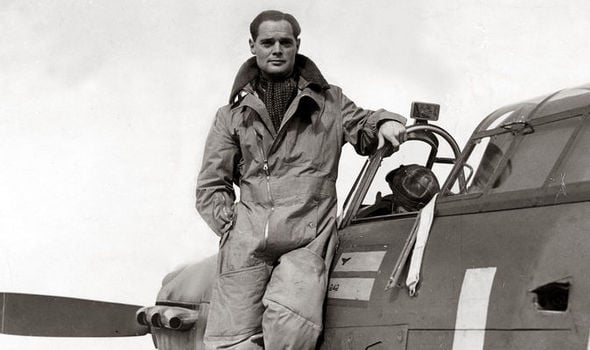
In early 1940, Bader joined No. 222 Squadron, flying Spitfire Mk II fighters. His return to active service coincided with the escalating threat from German forces over Britain. Early encounters tested him immediately. Reconnaissance aircraft and their fighter escorts challenged RAF defenses, and Bader, despite his disability, engaged with precision and courage. He scored his first aerial victory against a Dornier bomber, demonstrating the instinct and discipline that would mark his later career.
The legless pilot’s actions caught the attention of the enemy as well. German intelligence began noticing reports of a single British fighter performing maneuvers far beyond the ordinary. The aircraft moved with unusual precision, attacking decisively even when outnumbered. Rumors spread that the pilot had no legs. Initially dismissed as propaganda, these reports soon gained credibility as Bader continued to down enemy aircraft, proving the truth of his abilities.
The Dunkirk Skirmishes
By May 1940, Bader flew over Dunkirk, where British troops faced encirclement and bombardment. He led attacks against formations of German fighters, breaking into enemy ranks and destroying multiple aircraft in rapid succession. His aggressive, coordinated tactics became a hallmark of his combat style. Each mission reinforced the confidence of his squadron while sending a clear message to the Luftwaffe: Bader would not yield.
During these operations, he refined the strategies that defined his leadership. He organized squadron attacks as unified waves rather than scattered engagements, maximizing firepower and overwhelming the enemy. This approach, later known as the “Big Wing” tactic, showcased Bader’s ability to think strategically under pressure. The pilots under his command transformed from hesitant defenders into an aggressive, efficient fighting force.
Battle of Britain and the Phantom of the Skies
By July 1940, Bader commanded No. 242 Squadron during the Battle of Britain. The Luftwaffe launched repeated bombing raids, and airfields became prime targets. Pilots faced extreme stress, and many were inexperienced. Bader instilled discipline, precision, and determination into every sortie. His squadron flew with confidence, coordinating attacks and executing maneuvers that left the enemy disoriented. Bader himself became legendary among German pilots, who reported encountering a single fighter that fought unlike any other. The “phantom” of the skies had arrived.
His combat record grew steadily. In intense engagements, Bader remained calm under fire, diving into enemy formations and scoring multiple kills in minutes. Ground crews and fellow pilots observed his extraordinary skill, noting that his metal legs did not slow him or compromise control. By late 1940, Bader had confirmed 22 kills and earned a reputation for fearless leadership and relentless aggression. His success was a direct result of both technical skill and personal resolve, proving that physical limitations could never define courage or effectiveness in combat.
Capture and Enduring Spirit
In 1941, Bader’s luck ran out. During a mission over northern France, his Spitfire was damaged, forcing him to bail out behind enemy lines. Captured by German forces, he spent the remainder of the war in prisoner-of-war camps. Even in captivity, he refused to be passive. He organized escape attempts and pushed his prosthetic legs to the limit, inspiring fellow prisoners and earning the respect of his captors. Bader became more than a pilot; he became a symbol of resilience and determination in the face of overwhelming adversity.
Douglas Bader survived the war and returned to Britain a hero. His story demonstrates that determination, courage, and skill can overcome almost any obstacle. The legless pilot who was once mocked became one of the most respected fighter leaders of World War II. His legacy continues to inspire pilots, soldiers, and civilians alike, proving that human spirit and resolve can soar above even the greatest challenges.