One of WWII’s Strangest Aviation Mysteries The Bomber That Arrived Without a Crew
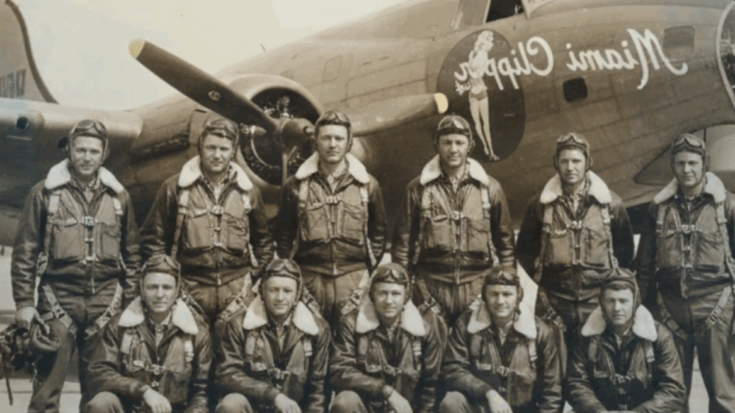
Dark Truths / YouTube
World War II was a time of great danger and great innovation in the air. Among the thousands of missions flown by bombers over Europe, one event stood out in the memories of those who witnessed it. In late 1944, a bomber returned to friendly territory in Belgium in a way that puzzled people for years. It appeared to land on its own with no crew aboard, an event that became known among airmen and airfield personnel as the “Phantom Fortress.”
The aircraft involved was a Boeing B‑17 Flying Fortress, a four‑engine heavy bomber used by the United States Army Air Forces (USAAF). These aircraft were central to the Allied bombing campaign against German industry and transportation. B‑17s were known for their strong construction and ability to sustain heavy damage and still stay in the air.
A Damaged Bomber Heads Home
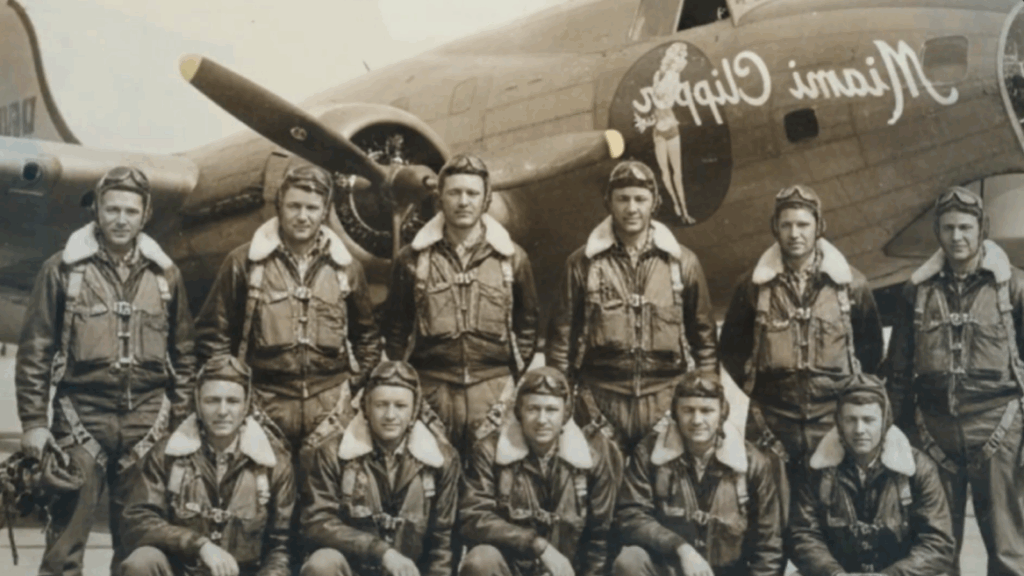
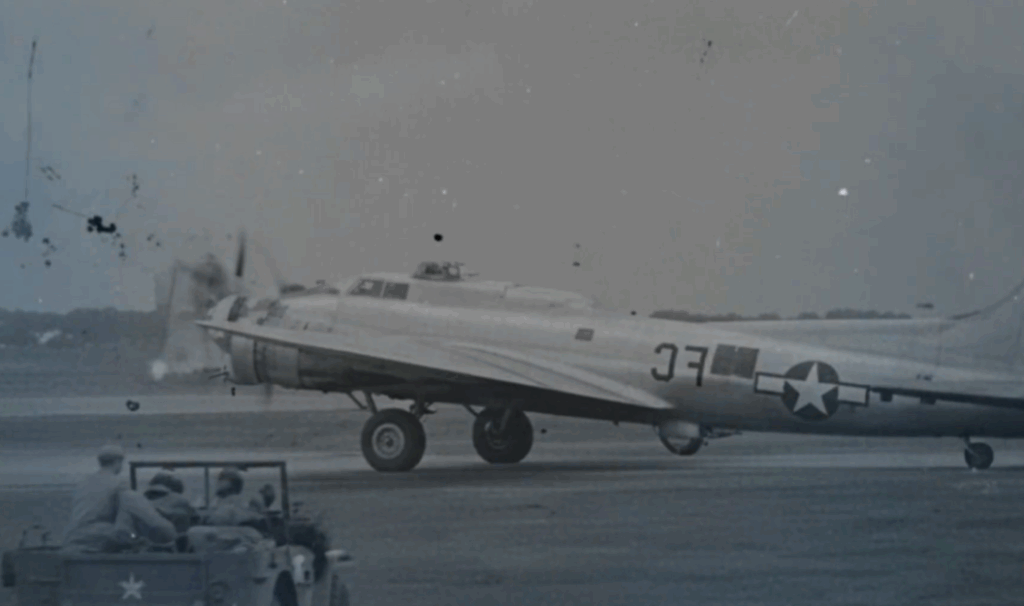
On November 23, 1944, a B‑17 from the 91st Bombardment Group took part in a mission against an oil refinery at Merseburg, Germany. According to accounts tied to this story, the aircraft suffered engine trouble and other mechanical issues during and after the bombing run. The crew decided they could not safely fly back to their base in England, so they diverted toward Allied‑held Belgium.
At some point over Belgium, the bomber’s pilot set the plane on a steady course and ordered the crew to bail out. All members reportedly left the aircraft using parachutes. In many wartime missions, crews would use automatic pilot or trim settings to keep a damaged plane flying long enough to reach friendly territory or allow those aboard to escape.
An Empty Plane Lands
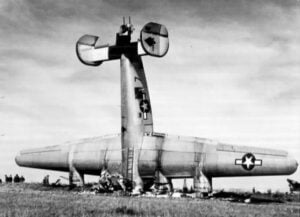
Ground personnel at a Royal Air Force unit near Cortonburg, Belgium, spotted the B‑17 approaching from the sky. As the large bomber descended with its landing gear down, those watching assumed a distressed crew was trying to bring it in for an emergency landing. The aircraft touched down in a nearby field, its speed too high and the landing rough, causing one wing tip to dig into the ground and propeller damage.
Soldiers waited for the crew to exit the aircraft, but no one appeared. After some time passed, Major John V. Crisp and others cautiously approached the B‑17 and climbed aboard. Inside, they found a scene of recent occupation: neatly packed parachutes, flight jackets, partially eaten food, and personal items. No crew members were present.
Investigations and Accounts
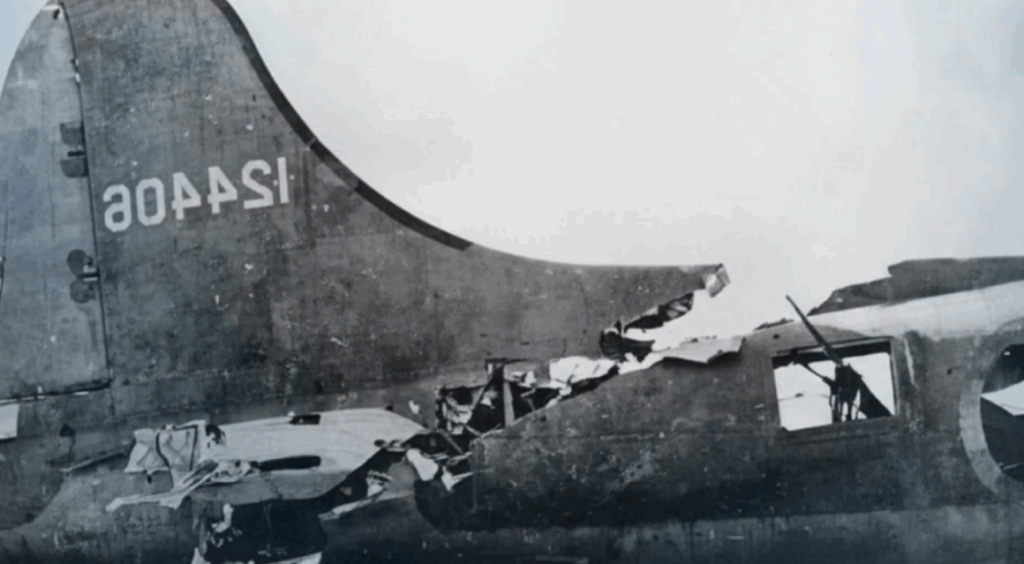
When the plane’s serial number was traced, it was confirmed to belong to the 91st Bomb Group based in East Anglia, England. Investigators found that the bomber had flown many miles and landed itself after the crew left. The autopilot, if engaged, could hold heading and altitude for a time but was not designed to land a large aircraft. Given the limited records and the sometimes conflicting accounts, historians and aviation enthusiasts have debated exactly how the plane stayed aloft and touched down as it did.
Crew testimony suggested severe damage and engine failure, one reason the men chose to abandon the aircraft. Yet ground reports claimed little evidence of battle damage once the bomber landed, other than the effects of the landing itself, such as bent propellers and wingtip marks.
A Story That Grew Over Time
Over the years, the story of the empty B‑17 has taken on almost mythic qualities. Some retellings added details about untouched parachutes and intact equipment, while others emphasized that the crew was actually safe and present at a nearby base after bailing out. This incident stands among the more unusual air war reports from World War II.
Whether viewed as an odd mechanical quirk, a rare autopilot flight, or a story shaped by wartime confusion, the Phantom Fortress remains one of the most talked‑about episodes in the history of WWII aviation.