The Story of WWII Foo Fighters and What Pilots Actually Saw in the Skies Over Europe and the Pacific
What If We're Wrong? / YouTube
During World War II, Allied pilots reported seeing strange lights in the sky that seemed to move with intelligence and purpose. These glowing orbs appeared beside aircraft, following turns and climbing vertically in ways no known machine could replicate. The sightings were not constant, but they happened often enough to demand attention. Pilots wrote them into mission logs, even though doing so was unusual. In wartime, reporting unknown phenomena could cast doubt on a pilot’s credibility, yet the Foo Fighters were recorded by men trained to recognize real threats.
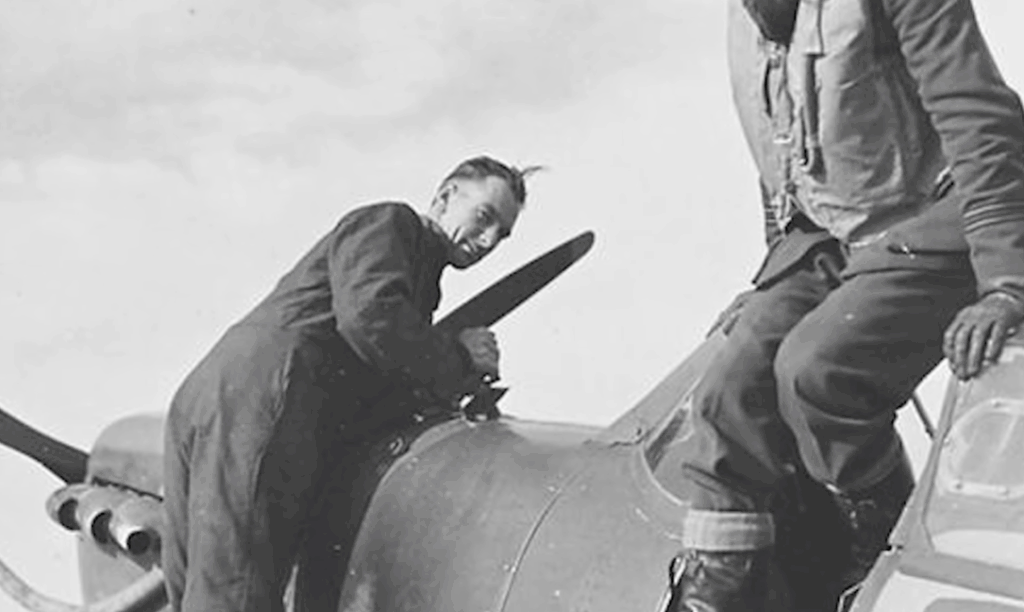
The phenomenon began in the early 1940s over Europe and the Mediterranean. RAF crews on night patrols noticed pale glimmers and bright spheres that held unusual positions beside their aircraft. Sometimes the lights followed a plane for moments before disappearing. The reports were calm and measured, showing that these were not panic-induced hallucinations. Instead, they were observations by trained men who could differentiate between ordinary aircraft, stars, and flares. The behavior of the lights was too precise to ignore.
Early Sightings Over Europe
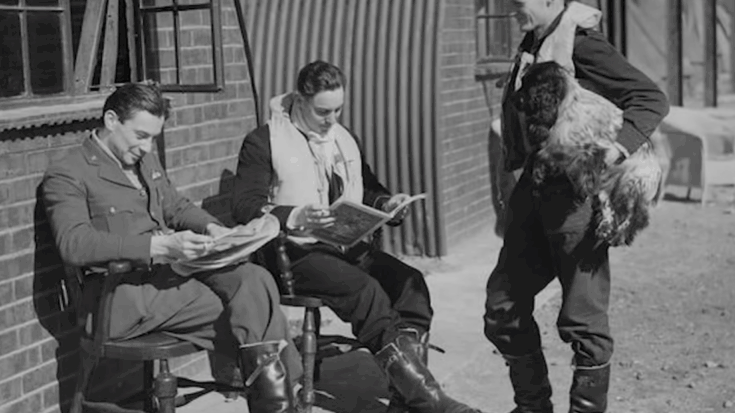
By 1944, the sightings reached a peak in detail. The 415th Night Fighter Squadron recorded several encounters over France and Germany. Lieutenant Edward Schlutter and his radio operator, Lieutenant Donald Meyers, described vivid orange lights pacing their aircraft with remarkable steadiness. When they attempted to close the distance, the spheres rose vertically and vanished. Another pilot reported red spheres that held formation behind his aircraft as he dove, disappearing only after climbing away. Intelligence officers began compiling the incidents, noting a consistent pattern of controlled movement and absence on radar.
Pilots were hesitant to report unusual sightings, fearing ridicule or damage to their reputation. Yet, the clearest cases appeared in logs and summaries. Lieutenant Meyers coined the term “Foo Fighters,” borrowing from a comic strip. Reports compiled by intelligence showed that these lights moved in ways no flare, reflection, or known aircraft could match. They were self-lit, mirrored turns, and maintained position for minutes. German forces were also unaware of any technology capable of such behavior, and postwar examinations confirmed there were no prototypes resembling the Foo Fighters.
Investigations and Explanations
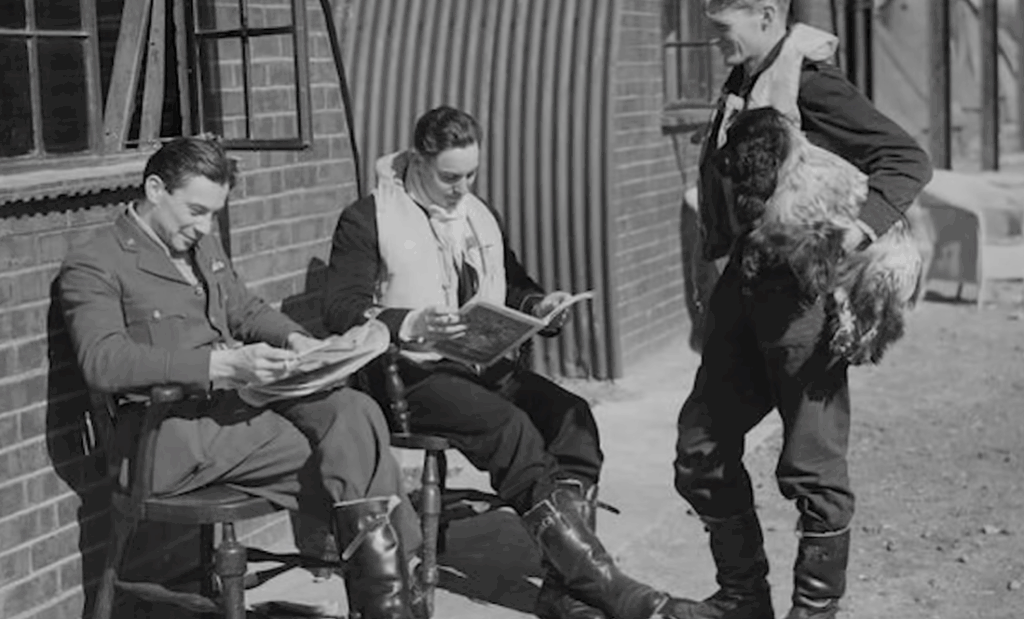
Intelligence officers studied altitude, weather, duration, and radar data. The lights were not traced to flares, reflections, or enemy aircraft. Even electrical phenomena like St. Elmo’s fire or plasma events could not fully explain the precise behavior described by multiple crews. Some suggested that plasma spheres might mimic the effect, but experimental tests showed that natural phenomena could not replicate the deliberate turns, steady pacing, or vertical climbs witnessed. Both Allied and German pilots reported similar experiences, often thinking the other side had built the mysterious objects.
The Foo Fighters were reported beyond Europe as well, though less frequently. In the Pacific theater, crews saw small luminous spheres pacing night bombers. Postwar sightings and modern incidents suggest a persistent pattern. An RB-47 over Mississippi in 1957 was followed by an intense blue sphere detected by radar and electronic equipment. In 1976, Iranian F-4 pilots reported bright objects and smaller spheres exhibiting controlled movement. Even in 2019, Navy personnel filmed a dark spherical object above the Pacific, which later received official confirmation as genuine footage.

Continuing Mystery
Across decades and continents, these objects appeared with calm precision, holding positions alongside aircraft and departing in ways no known machine could match. Pilots were trained observers with little incentive to report unusual phenomena, adding credibility to their accounts. The wartime intelligence files ultimately concluded that the Foo Fighters were unidentified. They were not German weapons, nor did they display hostile intent. Today, these incidents might be labeled as UAPs, but during the 1940s, they had no name. The sightings remain a remarkable historical record of a mystery witnessed by those who spent hours in the skies above war-torn regions.