

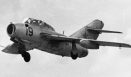

The Aircraft Engine That Reigned as the Most Powerful in World War II
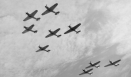
United States Air Force, Public domain, via Wikimedia Commons
Air combat in the late 1930s and early 1940s was shaped not only by aircraft design but by the engines that powered them. Every major nation entered the war with a different philosophy on how to build strength, speed, and endurance into its machines. These choices shaped battles, survival rates, and the future of aviation. What follows is a close look at the engines that defined those choices and how they changed the course of the air war.
Britain’s Merlin: Quiet Beginnings, Lasting Influence
The Rolls-Royce Merlin began in 1933 as a private project at a time when many believed moderate horsepower and biplanes were enough for national defense. Engineers Arthur Rowledge and Ernest Hives, however, saw that the next conflict would demand more. They started a self-funded design called the PV-12, intended to grow with the needs of modern aircraft. When its prototype ran for the first time that October, its strong and steady output surprised even those who built it.
The British Air Ministry showed limited interest at first, but early testing changed their view. By 1935 the engine received its formal name: Merlin. Two new fighters—the Hawker Hurricane and Supermarine Spitfire—were already being built around it. Early Merlin engines produced about 1,030 horsepower, enough for Britain’s defense in 1940 but not without problems. Their carburetors cut out during negative-G dives, a weakness German fighters could exploit. Engineer Beatrice “Tilly” Shilling helped solve this in 1941 with a simple restrictor, followed later by improved carburetors that let pilots maneuver freely without losing power.
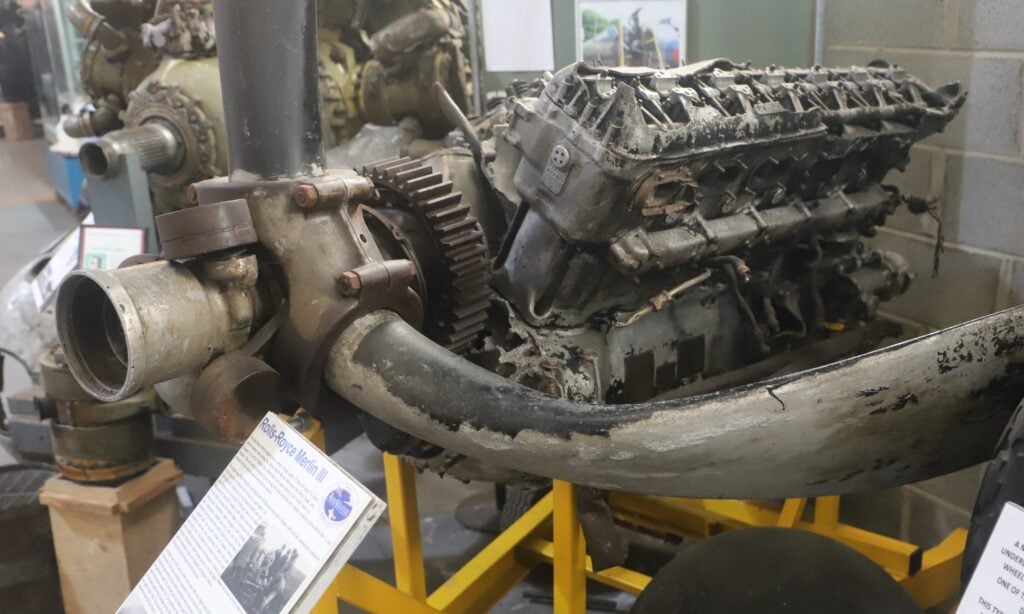
How the Merlin Evolved Into a Powerhouse
The Merlin’s real strength was its ability to be upgraded. The Merlin 20 added a two-speed supercharger, giving pilots better control at different altitudes. Then engineer Stanley Hooker redesigned the system into a two-stage, intercooled setup that greatly increased high-altitude power. The Merlin 61 delivered around 1,565 horsepower and maintained strong performance up to 25,000 feet. When the Spitfire Mark IX arrived with that engine, air combat over Europe changed quickly.
American factories began building Merlin engines under license in 1943, known as the Packard V-1650. This version powered the P-51 Mustang, turning it into a long-range escort that could guard bombers deep into Europe and return safely. By the end of the war, the Merlin had doubled its original output while keeping similar weight. More than 168,000 were built, powering fighters, transports, and bombers. Its success came from steady refinement that kept it useful across the entire conflict.
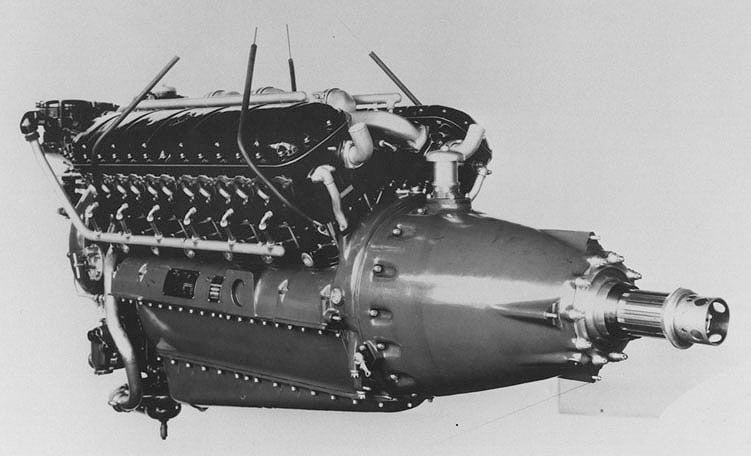
America’s Allison V-1710 and the Power of Simplicity
The Allison V-1710 was the first American liquid-cooled V12 designed for large-scale production. Built with strength and straightforward maintenance in mind, the engine began running in 1936. It powered early versions of major fighters including the P-38, P-40, P-39, and the first Mustangs. At low altitude, it performed well and could withstand significant damage, which made it popular among mechanics and pilots.
Its limit appeared above 15,000 feet, where its single-stage supercharger struggled. The P-38 solved this with turbochargers placed inside its long twin booms, giving it excellent high-altitude strength. But most single-engine fighters lacked room for that equipment, leaving them outperformed by enemies at altitude. Still, the Allison was valued on fronts where combat occurred lower, especially in the East, where Soviet pilots used it effectively.
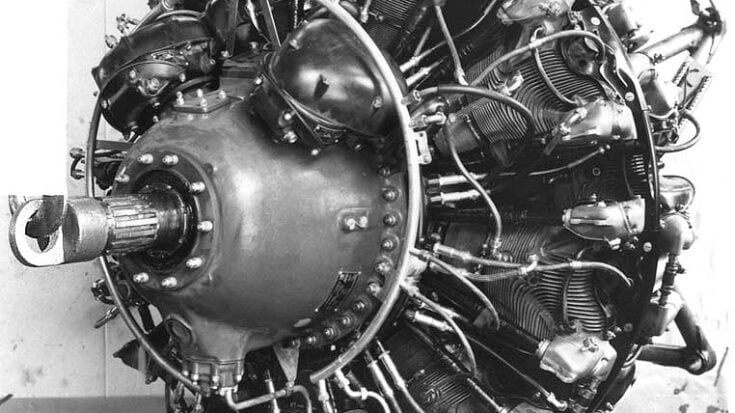
The Indestructible American Radial: Pratt & Whitney’s R-2800
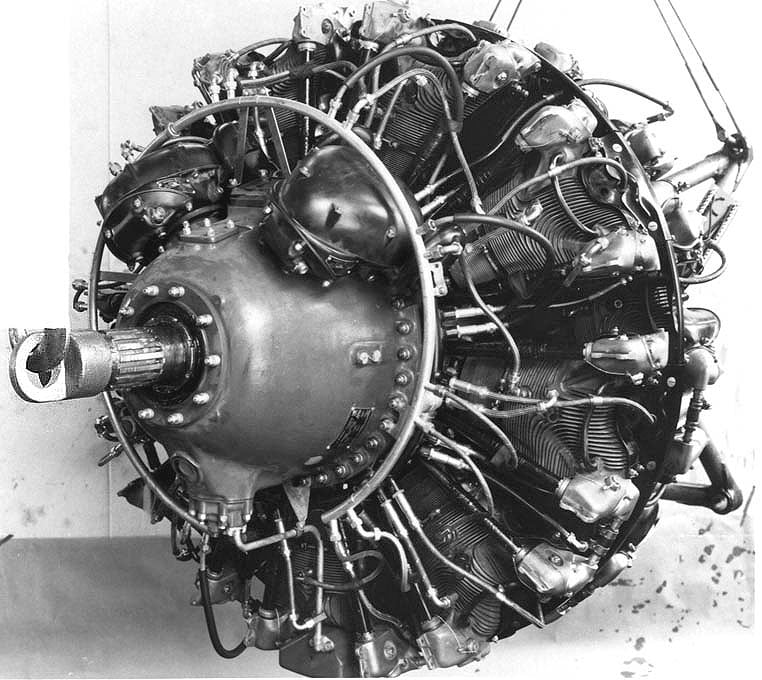
The Pratt & Whitney R-2800 was a large radial engine built around durability. Introduced in the late 1930s, it produced between 1,800 and 2,000 horsepower in early versions. Each cylinder was heavily built, and the engine could survive heavy damage without stopping. It powered aircraft such as the F4U Corsair, F6F Hellcat, and P-47 Thunderbolt—machines known for strength, range, and dependable performance.
Its combination with turbochargers gave the P-47 extraordinary power at high altitude. Even when struck by debris or gunfire, the engine often kept running, giving American fighters an advantage in survival and reliability.