

Why They Didn’t Include The F-35 In Top Gun: Maverick
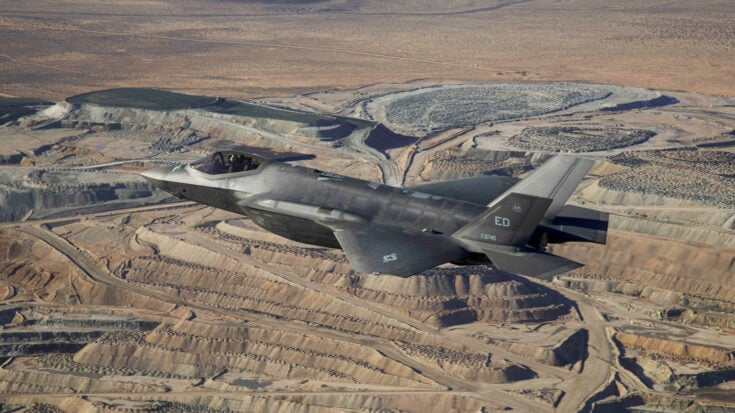
Top Gun: Maverick put audiences inside the cockpit of Navy strike fighters in a way no aviation film had managed before. That single filmmaking decision quietly determined which aircraft would appear in the film, and ruled out the Navy’s most advanced fighter before the script was finished.
The Camera Problem

The F/A-18F Super Hornet has two seats. The F-35C has one. That difference ended the conversation about which aircraft would carry the film’s actors. Placing a camera behind a pilot to capture facial expressions, reactions, and the physical strain of high-g maneuvering requires a second seat. Without it, the production would have relied heavily on CGI, which director Joseph Kosinski specifically wanted to avoid. The Super Hornet gave the camera crew somewhere to sit. The F-35 offered no equivalent option.
The Story Problem
The casting decision ran deeper than camera placement. The F-35 is designed to fight beyond visual range, detecting adversaries at long range while remaining invisible to their sensors. In Red Flag exercises, F-35s have achieved kill ratios approaching 20 to 1. That capability makes for a dominant combat aircraft and a dramatically inert film. The mission at the center of Maverick’s plot requires pilots flying low through a defended valley, relying on skill and timing under direct threat. An F-35 would have detected the air defense systems at range, engaged them electronically, and eliminated them before any dramatic low-altitude run became necessary. The tension the film required simply doesn’t exist in the environment the F-35 was built to create.

The Super Hornet demanded something from its pilots that the F-35’s automation and stealth profile did not. Manual flying at low altitude against active defenses is exactly the scenario the older aircraft was suited for and exactly the scenario the story needed.
What the Choice Reveals
The irony is that the F-35’s absence from the film is itself a testament to how capable the aircraft is. It was excluded not because it couldn’t do the job, but because it would do it too easily and too invisibly for any of it to translate to the screen. A film built around visceral, close-range aerial combat had no narrative use for an aircraft specifically engineered to make that kind of combat obsolete.
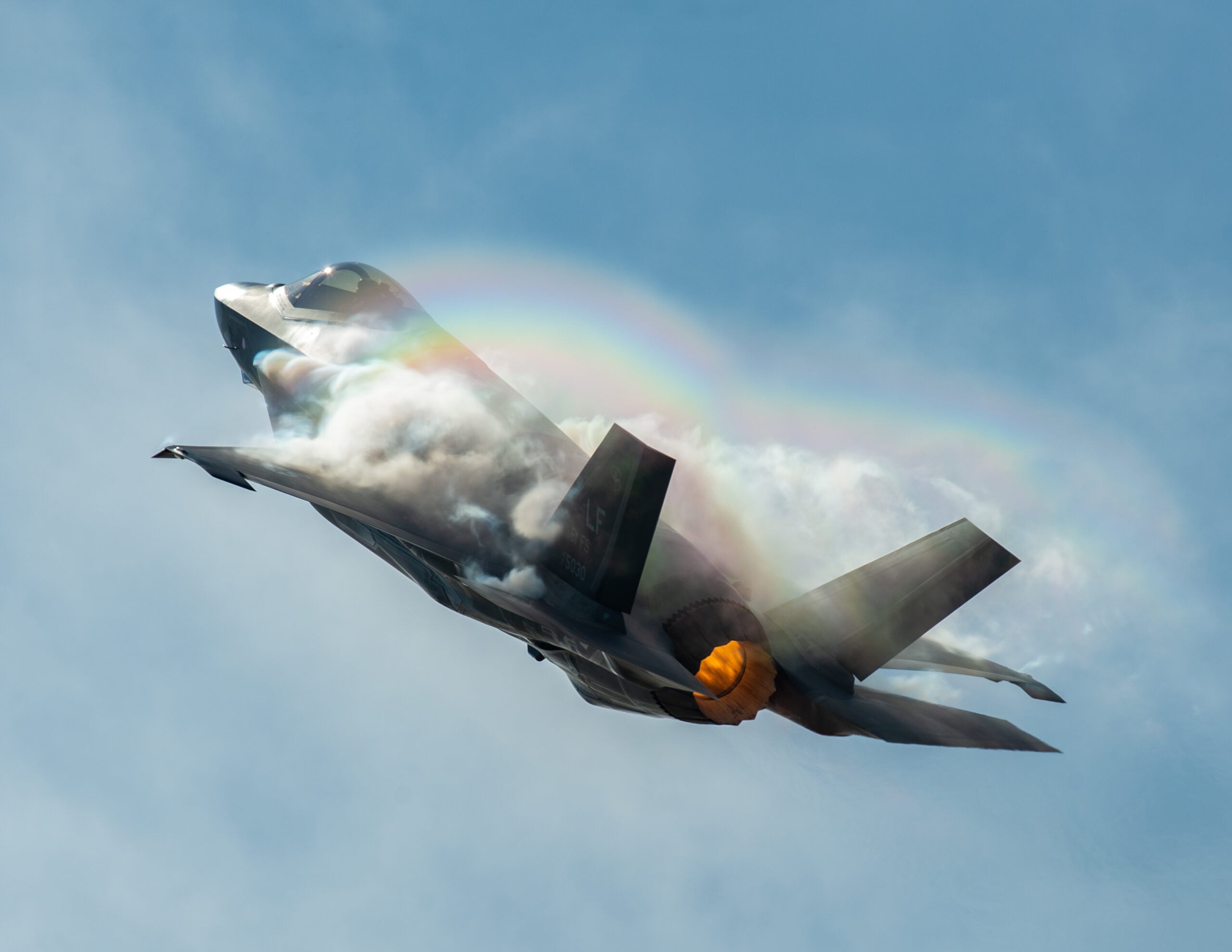
The Super Hornet that audiences watched threading through canyon walls at full throttle remains a formidable front-line aircraft. But the real reason it starred in one of the highest-grossing films in aviation history is simpler than any performance specification: it had a second seat, and the F-35 did not.







