The Flying Wing That Never Was: The YB-49 and the Bomber Ahead of Its Time
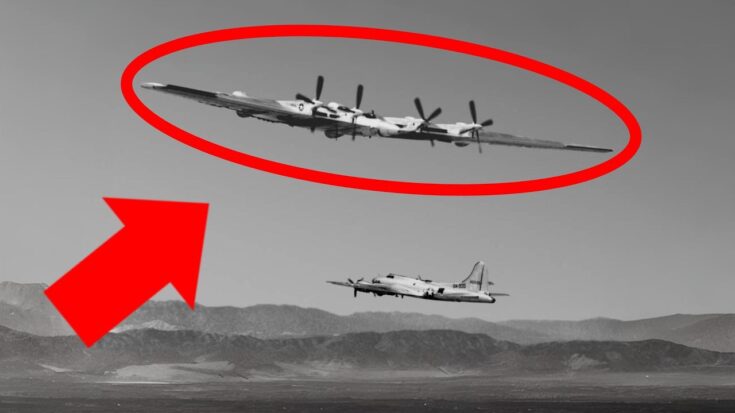
YouTube / Dark Skies
Jack Northrop had a simple idea that proved impossibly complex in practice. Strip an aircraft of everything that didn’t generate lift. No fuselage. No tail. Nothing but wing. The concept promised radical efficiency and intercontinental range. What it delivered instead was one of aviation history’s most consequential failed programs, and a design philosophy that wouldn’t reach maturity for four more decades.

From Concept to Contract
Northrop spent years refining his flying wing through increasingly capable prototypes before the military came calling in 1941. With American planners envisioning bombers capable of striking Europe from US soil, the Army Air Corps issued specifications that aligned almost perfectly with Northrop’s existing work. The XB-35 project launched in January 1942, targeting 450 mph, a 10,000-mile range, and a five-ton bomb load.
The resulting aircraft was extraordinary. Spanning 171 feet with six bomb bays distributed across the wing, the XB-35 first flew in June 1946 and hit speeds exceeding 300 knots.
Then the problems began. Propeller mechanism failures forced a downgrade to standard single propellers, cutting performance significantly.

Jets and Instability
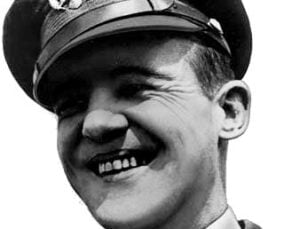
Test pilot Major Bob Cardenas evaluated the aircraft in 1947 and delivered a blunt verdict: it needed jet engines. The team complied, installing eight Allison J35 turbines and redesignating the aircraft the YB-49. The jet conversion improved speed but cut range in half and did nothing to solve the aircraft’s core problem. The YB-49 was marginally stable across all three axes and nearly impossible to hold steady during bombing runs. Norden bombsight tests confirmed it repeatedly.

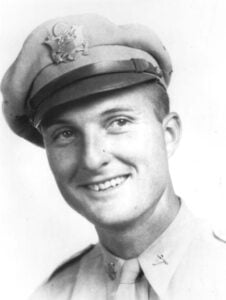
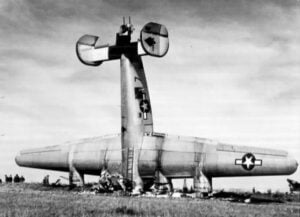
On June 5, 1948, the second prototype entered a violent tumble over the Mojave Desert. The crew couldn’t reach the controls as the wing structure overloaded and failed. All five men aboard were killed. Edwards Air Force Base takes its name from one of them, Captain Glen Edwards.
Testing continued briefly. Cardenas flew the surviving prototype to Andrews Air Force Base where President Truman climbed into the cockpit and expressed enthusiasm about purchasing the aircraft. The program ended in 1953 when a nose gear collapse destroyed the last prototype on the ground at Muroc.
What It Left Behind
Cardenas understood the root problem clearly. The YB-49 needed computer flight control systems that didn’t exist in 1948. The instability that made it unworkable as a bomber is managed on the B-2 Spirit by fly-by-wire computers operating thousands of times per second.

The boomerang silhouette that tumbled into the Mojave in 1948 became the defining shape of modern stealth aviation. It just took forty years and a computer revolution to get there.