



3 of the Most Notorious Plane Crashes of World War II
ThetragedyHunters / YouTube
In the vast skies of World War II, many aircraft never returned from missions — some fell victim to enemy fire, mechanical failure, or miscalculated landings. Among those tragedies, three crashes stand out for the shock they caused to both civilians and combatants. Each of these incidents has become part of wartime memory — reminders of how fragile flight was in an era of total war.
When a German Bomber Fell on Homes
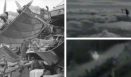
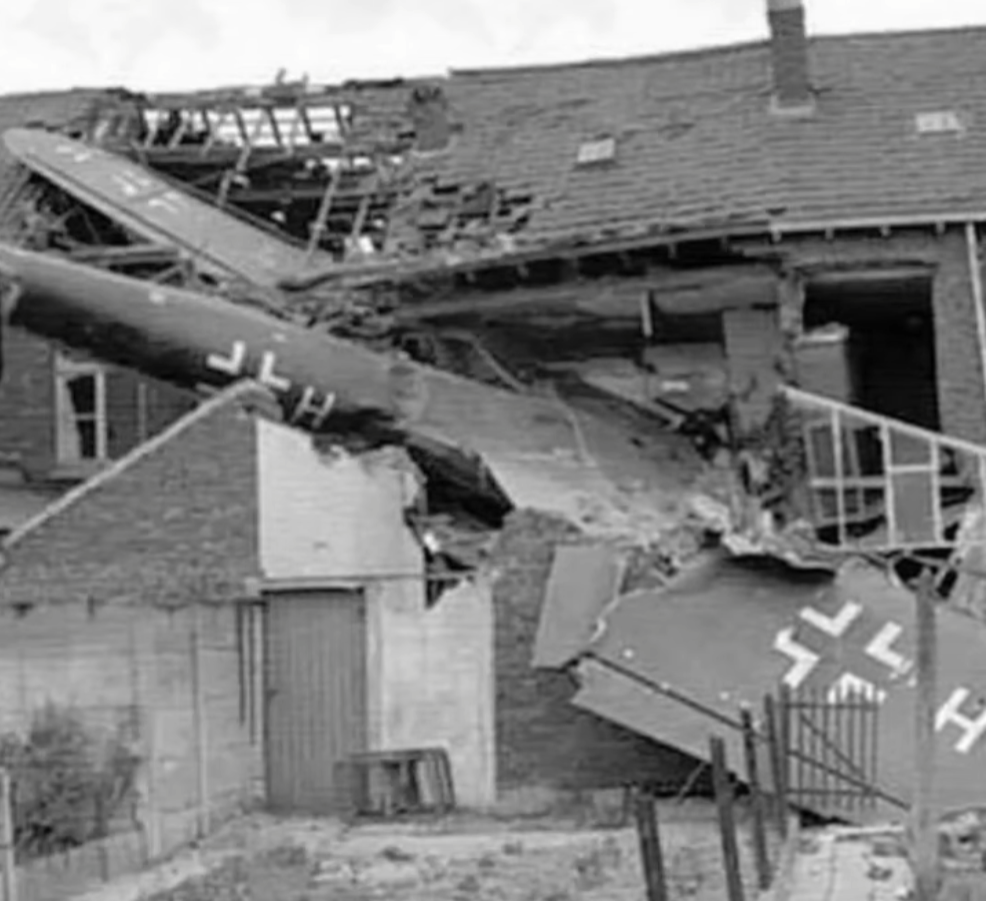
One of the worst disasters came when a German medium bomber, Dornier Do 217, crashed into English residential houses. On April 10, 1941, the plane flew low over a neighborhood in Evington, near Leicester. Witnesses said the bomber circled briefly before its wing struck the rooftops of three houses. Chimneys collapsed, bricks fell, and debris rained down. A woman in a backyard was killed by falling masonry.
After crashing into homes, the aircraft clipped tall trees about 40 yards away, tearing off its tail unit and part of its bomb compartment. The remaining parts broke apart across a field over a spread of around 120 yards. The pilot and one air gunner died. Another crew member survived but was badly wounded. The crash left shattered homes, terrified residents, and a mark on the war’s impact far from the front lines.
Dive-Bomber Lost in Trees
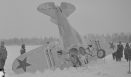
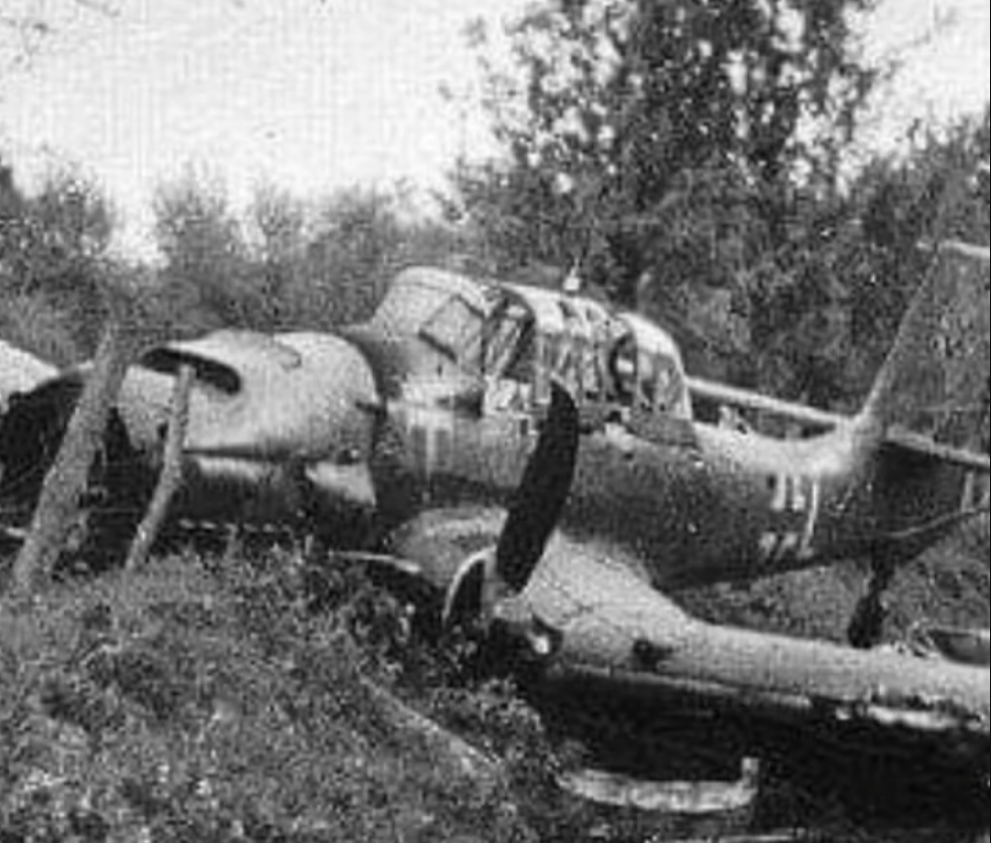
Another tragic case involved a dive bomber Junkers Ju 87 Stuka that crashed into trees during a mission over Britain. The Ju 87 had been a feared dive bomber early in the war, used extensively in ground-attack roles.
During one of its operations, this aircraft was shot down or lost control while diving. It struck trees at high speed, destroying the airframe and killing the crew. Details are sparse, but the crash highlighted the vulnerability of dive bombers when confronted with enemy fighters or ground fire. As the war advanced and air defenses improved, dive bombers like the Stuka became far more at risk, and losses increased sharply.
The Transport Plane That Fell Short of the Runway
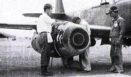
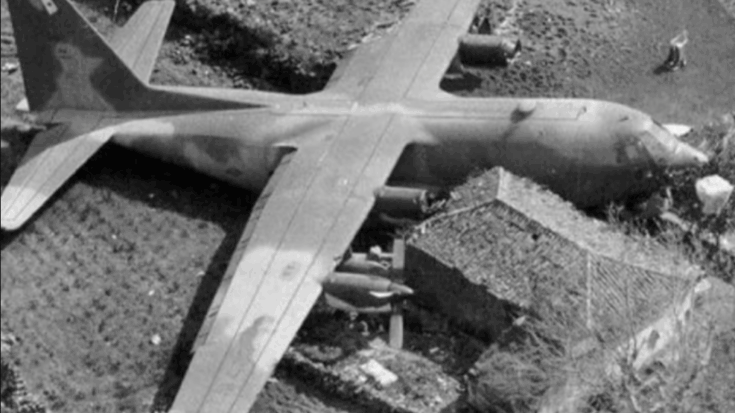
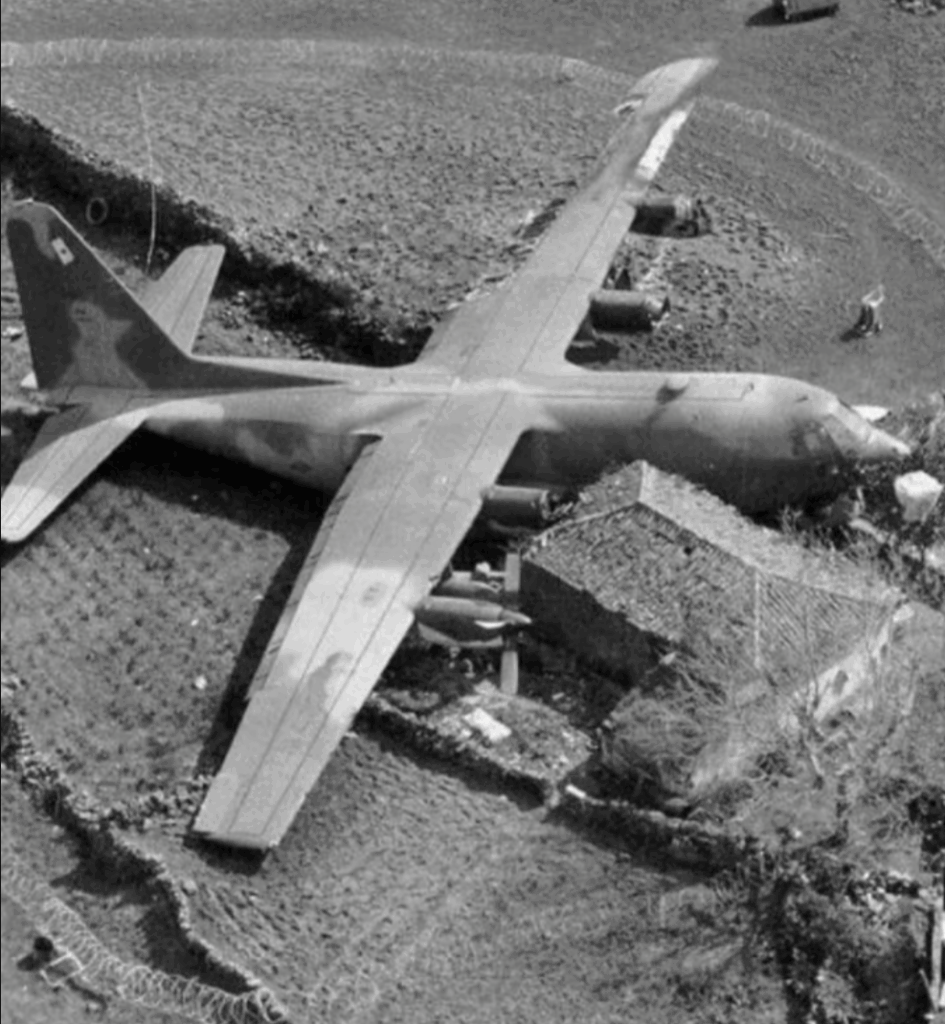
A more modern tragedy — though after WWII — involved Lockheed C-130 Hercules, a workhorse military cargo plane first flown in the 1950s but often associated with long-range transport and tactical missions.
Over decades, the C-130 proved reliable, but it suffered losses too. Many of these came not from combat but from accidents — engine failures, mechanical problems, or difficulty handling heavy loads on poor runways. Some crashes happened during takeoff or landing, with planes failing to clear terrain or unable to stop on the runway.
One example: a C-130 was attempting to land or perhaps take off, but for reasons including high weight or engine problems, it lost control and crashed before it reached a safe runway zone. The plane hit obstacles or terrain and was destroyed, sometimes killing everyone onboard. Since the C-130 has been used worldwide, its accidents serve as reminders that even trusted aircraft can fail when pushed beyond safe limits.
The Human Cost Beyond the Crash
Each of these crashes shows a different side of war’s danger. The Do 217 crash reminds us that war can reach civilians far from battlefields — a bomber meant for distant targets brought death to a quiet street. The Stuka crash shows how specialized warplanes, once feared, could be defeated by evolving defenses. The C-130 accidents demonstrate that even after the war, flight remained hazardous — not from enemy guns, but from mechanical limits and human error.
For each loss, families, crews, and entire communities suffered. Homes were destroyed, lives ended suddenly, and survivors carried the weight of those final moments. History often remembers victories and great battles — but these disasters matter too. They honor those who flew, those who lived through it, and those who never came home.