On This Day in WWII (1941): MacKay Trophy Winner Capt. Richard Freeman Killed in B-17B Crash
Fans of the B-17 Flying Fortress / Facebook
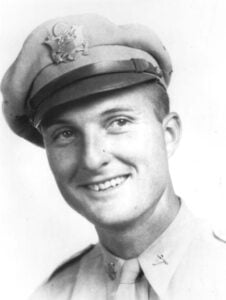
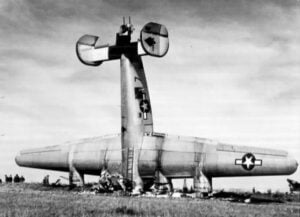
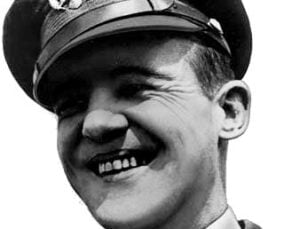
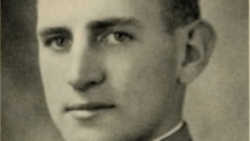
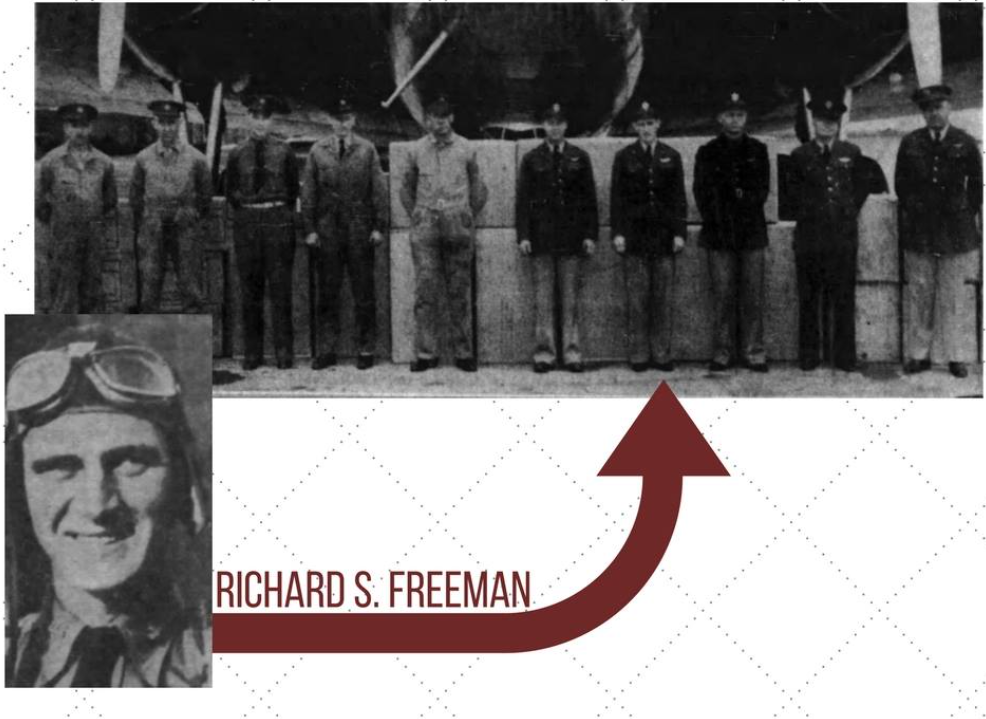
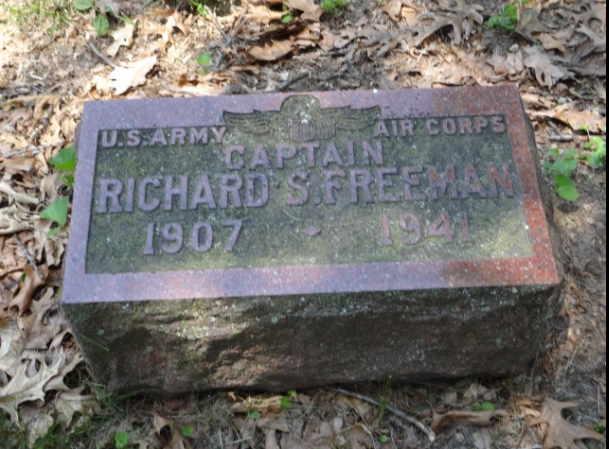
On February 6, 1941, Captain Richard S. Freeman of the United States Army Air Corps was killed when a B-17B Flying Fortress crashed near Lovelock, Nevada. Freeman was already well known in military aviation circles for his role in a long-distance mercy flight that delivered lifesaving vaccines to Chile in 1939. That mission earned him and his crew the prestigious MacKay Trophy. His death came at a time when the United States was expanding its air power while still officially at peace.
Early Career and Service
Richard S. Freeman was a career Army Air Corps officer during a period when military aviation was rapidly changing. He served in bomber units at a time when long-range aircraft were still being tested for reliability and endurance. Freeman became closely associated with the Boeing B-17 Flying Fortress, a heavy bomber that represented a major step forward in range, payload, and defensive strength for the Army Air Corps.
By the late 1930s, Freeman was assigned to duties that reflected both his flying skill and his leadership ability. Officers like him were often tasked with difficult flights meant to prove the usefulness of new aircraft and crews. These missions were not only about training but also about showing that American air power could operate across great distances under demanding conditions.
The 1939 Mercy Flight
In August 1939, Freeman took part in a highly unusual operation that brought him lasting recognition. A deadly outbreak of disease in Chile created an urgent need for vaccines, and the Army Air Corps organized a long-distance flight to deliver the medical supplies as quickly as possible. Freeman was among the pilots selected for the demanding mission, which required careful planning and precise navigation.
Flying over vast stretches of land and sea, the crews delivered the vaccines safely, helping to prevent further loss of life. The mission demonstrated that military aircraft could be used for humanitarian purposes as well as defense. For this achievement, Freeman and the other participants were awarded the MacKay Trophy, which honors the most meritorious flight of the year.
The B-17B Flying Fortress
The aircraft involved in Freeman’s final flight was a B-17B, an early version of the Flying Fortress. This model was still part of the testing and evaluation process, as the Army Air Corps worked to refine procedures for operating large bombers. Flights often included training, navigation checks, and equipment evaluations, all of which carried risk.
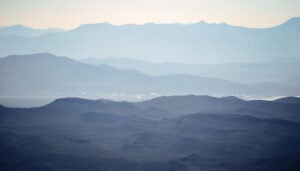
On February 6, 1941, Freeman’s B-17B was conducting such a flight when it encountered trouble near Lovelock, Nevada. The exact cause of the crash was not fully clear, but early heavy bombers were known to face mechanical limits and challenging flight conditions. The aircraft went down, killing Freeman and the rest of the crew on board.
Loss Before a Global War
Freeman’s death occurred months before the United States entered the Second World War, yet it underscored the dangers already faced by airmen in peacetime operations. Training accidents were common as crews pushed aircraft to their limits in preparation for possible future conflict. Each loss was felt deeply within the close-knit aviation community.
The crash also highlighted the transitional period of American air power in 1941. The Army Air Corps was expanding rapidly, learning from both success and tragedy. Officers like Freeman played a key role in building the experience base that would soon be vital once the nation was at war.
Freeman Field and Lasting Memory
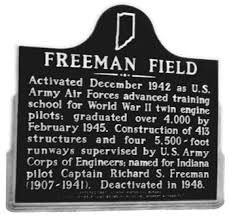
After his death, Captain Freeman’s contributions were formally recognized by naming Freeman Field in Indiana in his honor. The airfield became an important training base during the war, including advanced flight instruction and specialized programs. Thousands of airmen passed through the field, many unaware of the full story behind its name.
Freeman Field later gained historical importance for events tied to training and integration during the war years. The choice to name it after Richard Freeman reflected respect for an officer whose career combined technical skill, service to others, and personal sacrifice. His story connects early Army Air Corps development with the broader history of American military aviation.