On This Day in 1942: Fuel-Starved B-17 ‘Swamp Ghost’ Survives Crash and Becomes Aviation Legend
MaXtanic Films Aviation / YouTube
A Bomber Forced Down in the Pacific
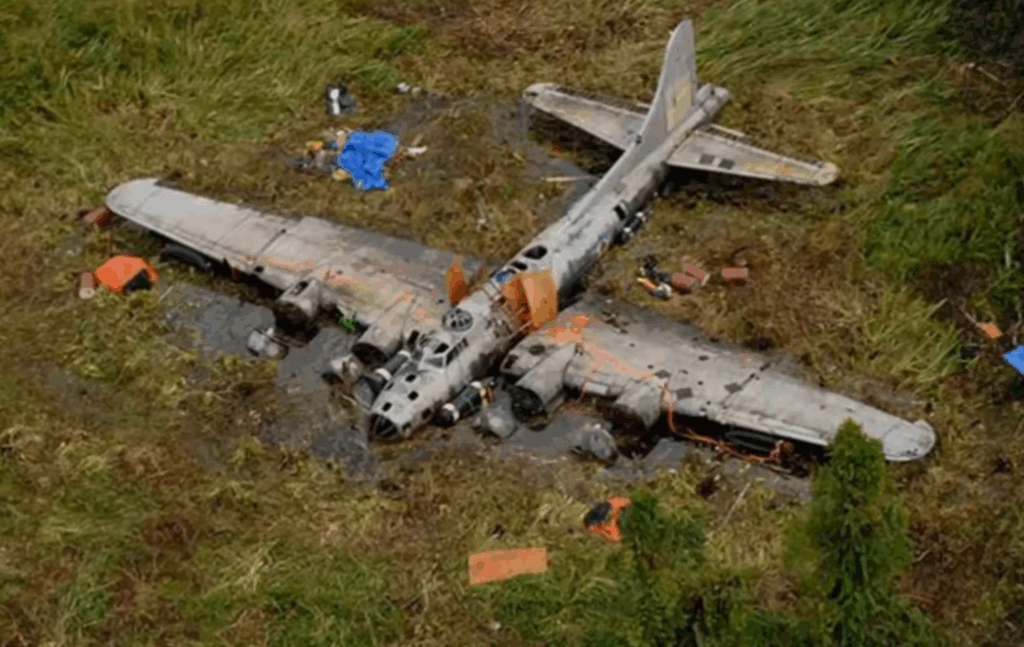
On Feb. 23, 1942, a U.S. Army Air Forces B‑17E Flying Fortress ran out of fuel and crash‑landed in a remote swamp in Papua New Guinea. The bomber, later nicknamed the “Swamp Ghost,” had returned from a mission against targets in Rabaul, a major Japanese base in the South Pacific. The crew’s survival and the aircraft’s later rediscovery would make it one of the most famous crash sites from World War II.
The 19th Bomb Group sent the B‑17E, Army serial number 41‑2446, on a bombing mission from Port Moresby. The target was the Japanese base at Rabaul, an area heavily defended by enemy fighters and anti‑aircraft guns. Bombers faced a long flight over open sea and rugged terrain, with limited places to land if problems occurred. On the return leg, the plane ran low on fuel. Instead of risking a plunge into the ocean or inhospitable highlands, the crew chose to set down in the thick, water‑logged terrain near the village of Agaiambo.
A Rough Landing in the Wild
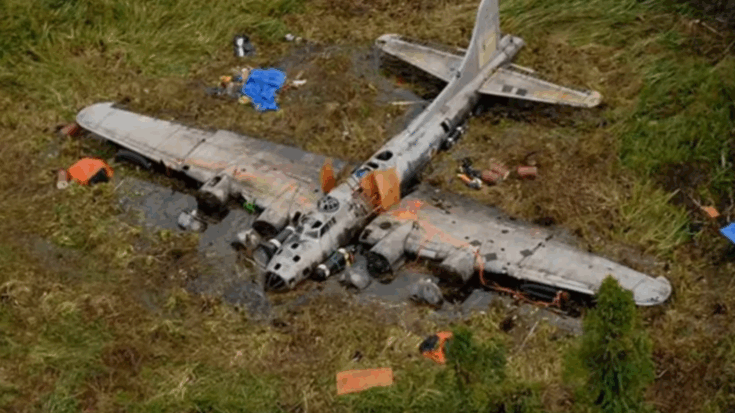
The B‑17E settled into the swamp’s soft mud, its landing gear sinking into the soggy ground. Despite the hard landing, all crew members survived. They moved away from the wreck and were soon rescued by local guides and other Allied forces operating in the region. At the time, New Guinea was the scene of intense fighting, with Allied and Japanese forces contesting ground, sea, and air control.
The crew’s escape was remarkable given the isolation of the crash site. Dense jungle and marshland covered much of the surrounding area, making travel difficult. The men returned to Allied lines and continued to serve, carrying with them the story of how their bomber came to rest far from any airfield. The aircraft itself stayed where it fell, becoming nearly hidden by reeds, mud, and water.
Forgotten for Decades
For more than 60 years, the Swamp Ghost remained largely undisturbed. The swamp preserved much of the bomber’s structure, and the layout of its wings and fuselage stayed intact. Over time, occasional visitors reported seeing parts of the aircraft sticking out of the marsh, but no major recovery effort was made until the late 20th century. Aviation historians and aircraft enthusiasts grew more interested in the story as veterans shared their memories of the mission and crash.
In 1972, the crash site became known to a wider audience through magazines and books on lost aircraft from the war. Many people were surprised that the B‑17 had survived so long in such a harsh environment. The fuselage, engines, and other parts remained visible above the swamp water, and the bomber’s olive‑drab paint could still be seen in places. These rediscoveries sparked talk of restoring or preserving the aircraft for museums or memorials.
A Recovery Effort Begins
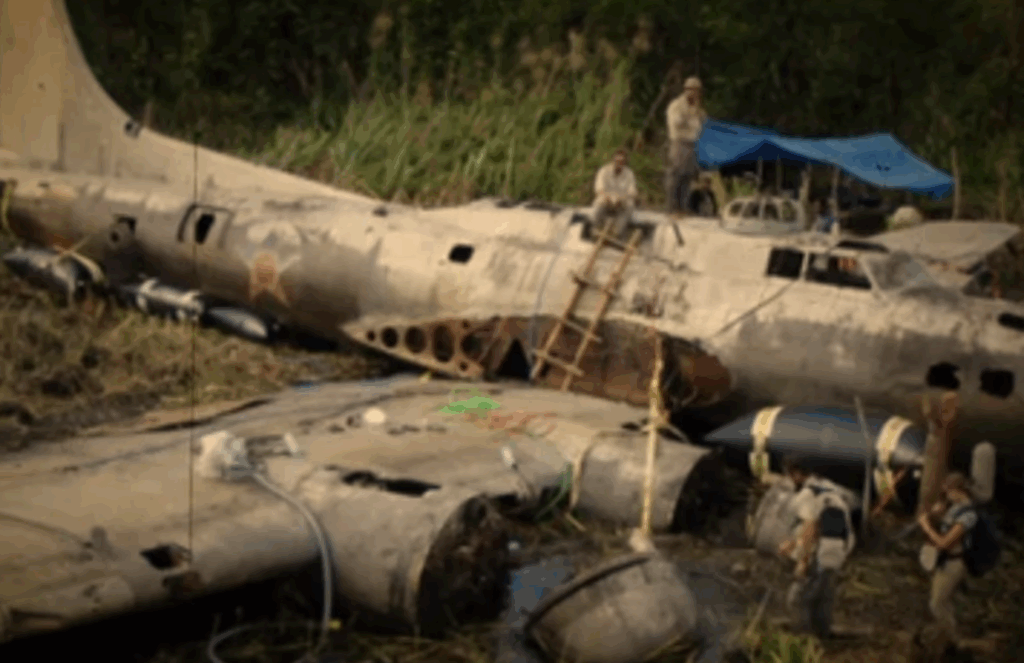
By the early 2000s, a team of aviation experts and historians began planning a formal recovery. The goal was to lift the Swamp Ghost from the marsh and conserve it for future display. The operation required careful coordination with local authorities in Papua New Guinea, as well as support from preservation groups in the United States. Early expeditions assessed the site’s conditions and determined how best to move the heavy airframe without causing further damage.
In 2006, the recovery plan entered its final stages. Helicopters and cranes were brought into the swamp using barges, and workers carefully separated the bomber into large sections. These parts were loaded onto transport and shipped to a conservation facility. The effort was slow and expensive, but it succeeded in getting the bomber out of the water and into a position where specialists could begin preservation work.
A Piece of History Preserved
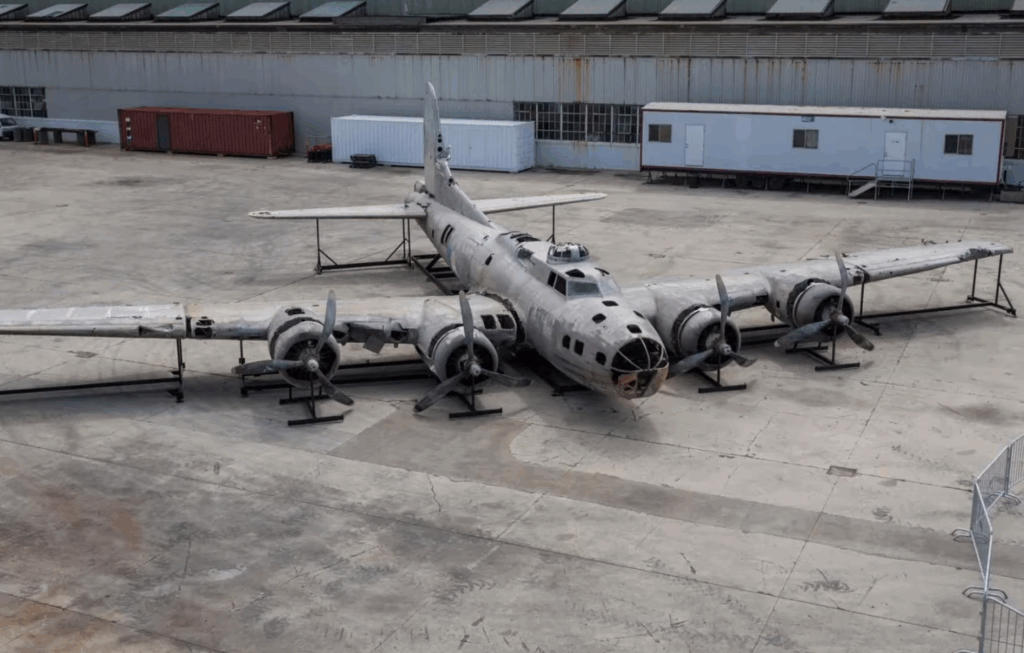
Once in conservation, the Swamp Ghost drew attention from museums and organizations interested in sharing its story with the public. Plans were made to display the aircraft in settings that would explain both the wartime mission and the long years it spent in the swamp. Sections of the airframe were stabilized so that visitors could see how the bomber looked after decades underground and underwater.
The Swamp Ghost represents more than a crashed airplane. It tells a story of air crews flying long missions over dangerous territory and making tough decisions to survive. It shows how nature, in its own way, can protect and preserve objects long after their use has passed. And it gives new generations a chance to connect with the experiences of those who fought in the air during World War II.
Over time, the aircraft has been featured in museum exhibits and documentaries that examine lost warbirds and the efforts to rescue them. Through these displays, people can learn about the Pacific air war, the role of heavy bombers like the B‑17 in attacking enemy positions, and the challenges faced by crews who flew far from home in difficult conditions. The Swamp Ghost remains a reminder of both the human and mechanical sides of the conflict.