

On This Day in 1942: Legendary Avro Lancaster Makes Its Operational Debut in First Wartime Mission
See page for author, Public domain, via Wikimedia Commons
A New Bomber Enters the War
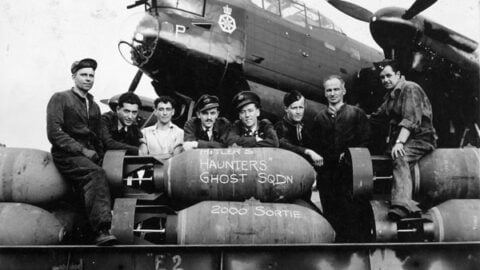
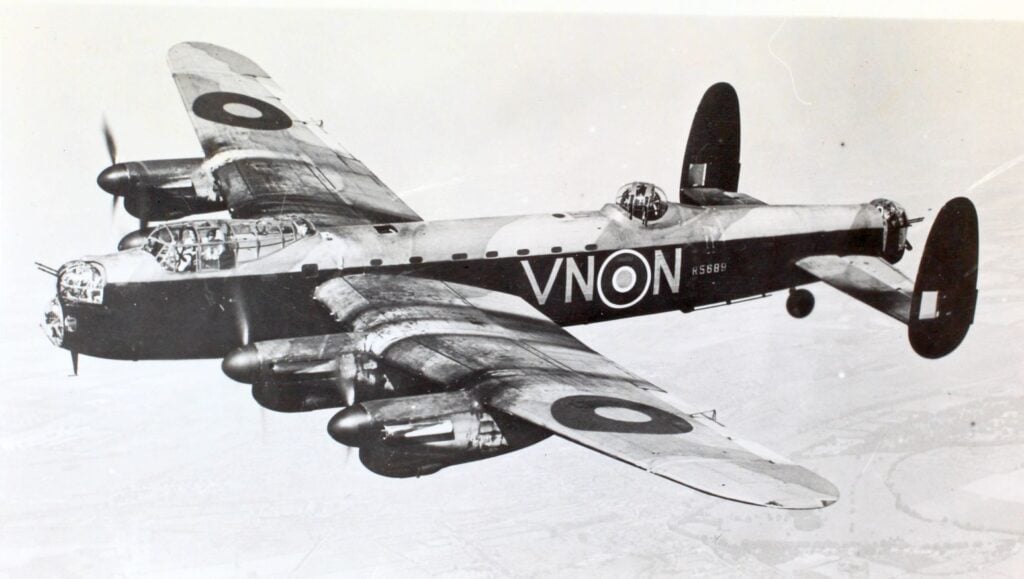
On March 3, 1942, the Royal Air Force introduced one of the most important aircraft of the Second World War into active operations. The Avro Lancaster heavy bomber flew its first combat mission, marking a new era in Britain’s air campaign. The Lancaster’s design combined powerful engines, a large bomb load capacity, and strong endurance, qualities that would make it a mainstay of RAF Bomber Command for years to come.
The first operational sortie was part of a minelaying effort around the waters near Heligoland, a small German island in the North Sea. Laying mines by air was a strategic task meant to disrupt enemy shipping and naval movements. Heligoland’s location made it an important route for German naval traffic, so RAF planners saw value in placing obstacles there to slow or damage military and supply ships as they moved through the area.
Development and Design
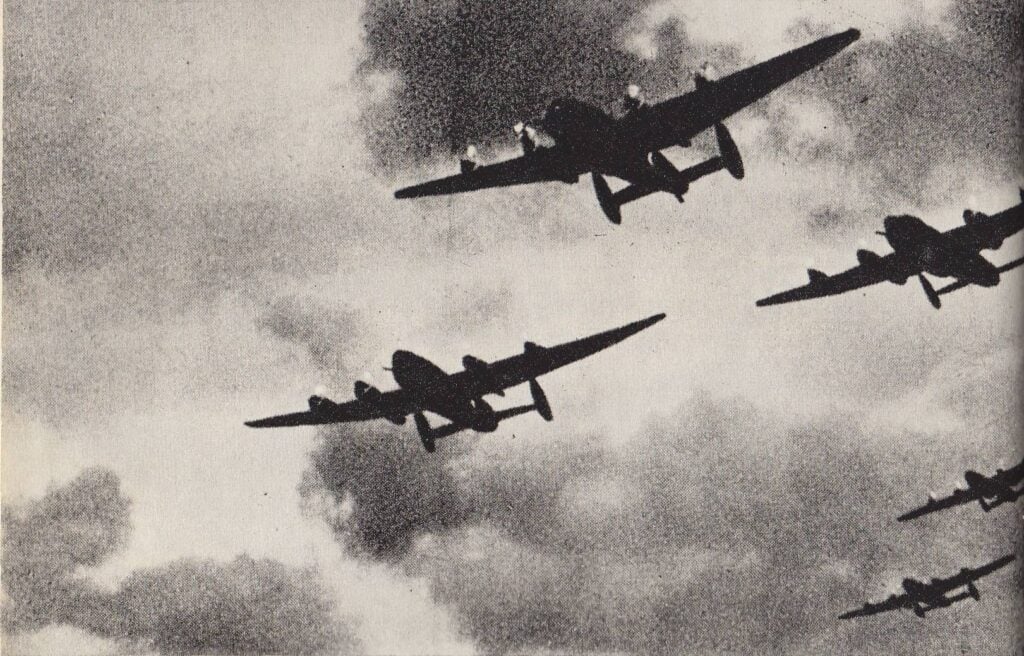
The Lancaster was developed by Avro Aircraft in response to a 1939 request for a new heavy bomber. Designers used parts from earlier aircraft, including the Avro Manchester, but improved on the layout and engines to boost performance. The result was a four-engine bomber capable of carrying a larger bomb load than most contemporary designs and flying long distances at night, which was critical for the RAF’s strategic bombing focus.
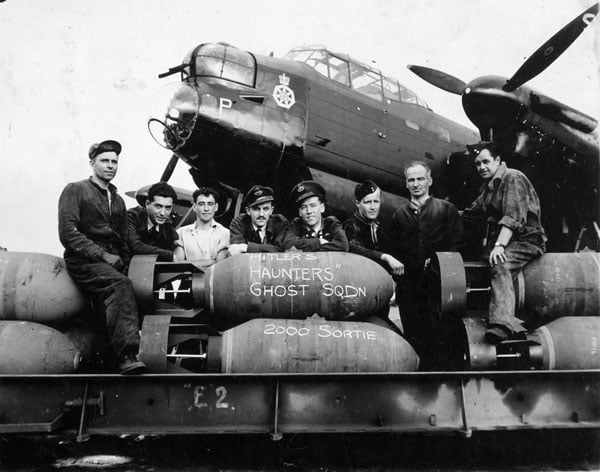
Early test flights showed the Lancaster had strong handling and reliability. It was equipped to carry both high‑explosive and specialized weapons, such as large naval mines and, later in the war, very heavy bombs that few other aircraft could lift. Its flexible internal bomb bay earned it respect among crews who flew dangerous missions over enemy territory.
The First Mission Over Heligoland
On the night of March 3, the Lancaster assigned to the first operational task carried naval mines instead of the more typical high‑explosive bombs. Mines laid by aircraft often sat just beneath the water’s surface, positioned so that ships could strike them while moving through narrow channels or coastal routes. This type of minelaying was known as “gardening,” and it complemented other RAF offensive operations.
The crew took off from an airfield in England under the command of experienced pilots who had already logged sorties in older bomber types. As they crossed the North Sea and approached German coastal waters, they navigated by stars and radio beacons to reach the target area. At that time of the war, navigation equipment was still primitive by modern standards, and flying at night required both skill and discipline.
Once over the designated sector near Heligoland, the Lancaster released its mines at low altitude to ensure they entered the water carefully and settled properly. Despite the risk of anti‑aircraft fire and detection by enemy radar, the crew completed the task and set course back to England. For the men on board, the flight marked a moment of pride; their aircraft had proven it could carry out missions that might change how the air war was fought.
After the First Sortie
Following the maiden operational sortie, more Lancaster squadrons entered active service over the coming months. The bomber quickly became central to the RAF’s night offensive against German industrial areas. Its ability to carry heavy bombs allowed it to strike deep into enemy territory and target facilities that supported the war effort.
Later in the conflict, Lancaster crews participated in well‑known raids such as those against the Ruhr industrial region, the city of Berlin, and the German battleship Tirpitz anchored in Norwegian fjords. Its range and payload capacity made it one of the most effective British bombers of the war.
By the time peace came in 1945, the Lancaster had flown thousands of sorties and carried millions of pounds of ordnance. Survivors from the early missions, including those crews who flew the first operational sortie, remembered the aircraft not just as a machine of war but as a companion through some of the most dangerous skies of the conflict.









.jpg)