

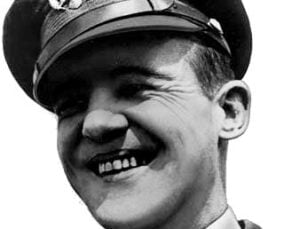
On This Day in 1942: Thomas Moorer Endures Being Shot Down and Sunk During Darwin Raid, Later Becomes Admiral
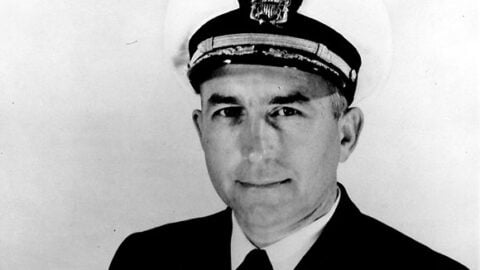
U.S. Navy, Public domain, via Wikimedia Commons
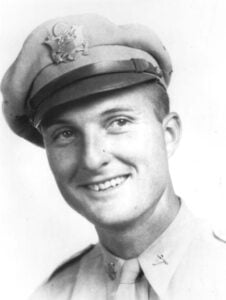
On February 19, 1942, Allied forces in northern Australia faced one of the largest air attacks of World War II when Japanese aircraft struck the town of Darwin and its surrounding waters. This raid was part of Japan’s effort to disrupt Allied operations in the region, particularly those that supported forces defending Timor and Java. Among the aircraft flying patrols that morning was a Consolidated PBY Catalina piloted by then‑Lieutenant Thomas H. Moorer of the U.S. Navy.
Moorer and his crew took off from Darwin Harbour to search for enemy ships and aircraft as part of their patrol duty. The PBY Catalina was a long‑range flying boat used by the U.S. Navy for reconnaissance, patrols, and search missions. As their plane passed north of Bathurst Island, it encountered nine Japanese Zero fighters that had broken off from the main attack force heading toward Darwin. The faster and more agile fighters quickly closed in on the slow Catalina.
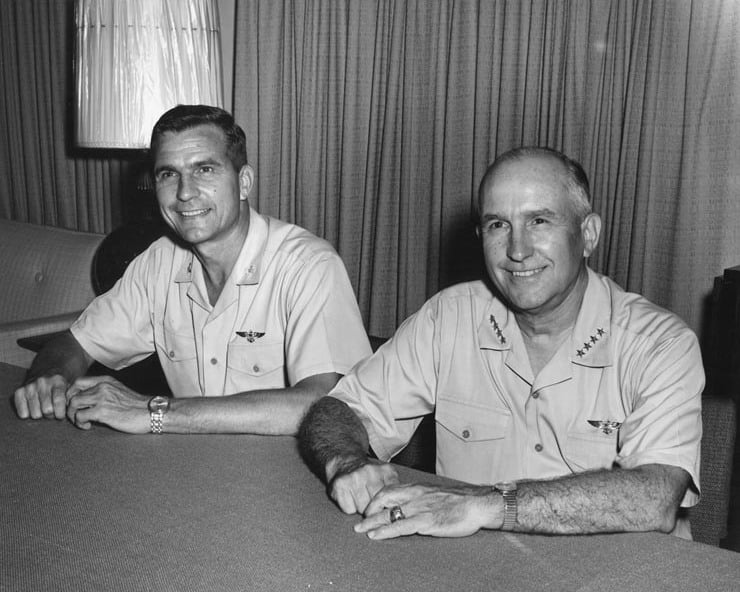
Downed Over the Waters
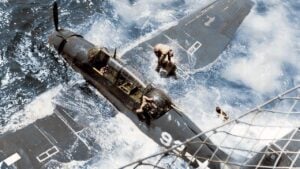
The Japanese fighters opened fire on Moorer’s aircraft, hitting the fuel tanks and port engine. With flames spreading along the wing and large holes in the fuselage, Moorer had no choice but to make an emergency landing on open water. The Catalina struck the sea heavily, bouncing before coming to a stop. Although the plane was badly damaged, Moorer and his seven fellow crew members managed to disembark and board the aircraft’s inflatable dinghy. Four of the crew were wounded by gunfire during the attack.
Not long after Moorer and his crew were rescued from the water by the freighter Florence D., the same Japanese attackers turned their attention to the ship itself. The Florence D. was carrying supplies when it was struck by bombers later that day and forced to beach near Bathurst Island. Some of the PBY crew were now aboard that vessel when it was hit. Survivors from the freighter, including Moorer and most of his crew, later made their way to shore in lifeboats and stayed near the island as rescue efforts began.
Rescue and Aftermath
Three days later, Royal Australian Air Force patrol aircraft spotted Moorer and the others on Bathurst Island. An Australian subchaser, HMAS Warrnambool, arrived and took them aboard, bringing them back to Darwin. From there, Moorer was sent on to Perth and later returned to duty. He was wounded in the initial attack and would receive the Purple Heart for the injuries he suffered during the February 19 raid.
The experience was not the only danger Moorer faced in World War II. In later months, he continued patrol and combat missions in the Pacific and showed skill and leadership in multiple theaters of the war. These actions brought him promotions and recognition within the Navy.
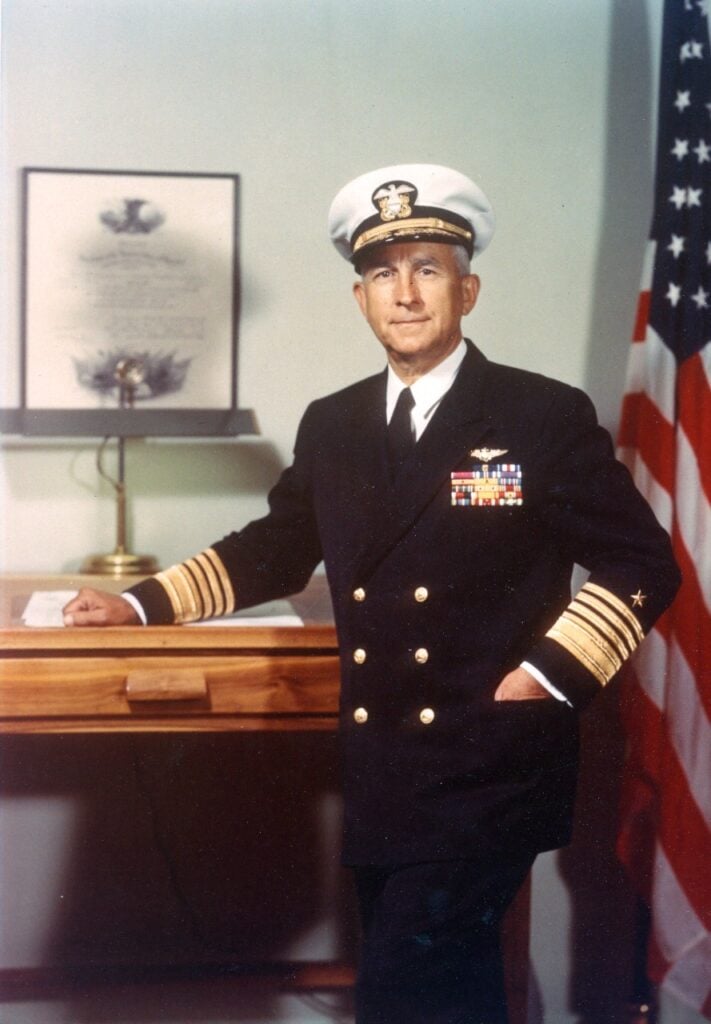
Rise Through the Ranks
After the war, Moorer remained in the U.S. Navy and took on a series of increasingly important assignments. He served in various staff, command, and training roles, and he pursued advanced professional military education. As his career progressed, he took on broader responsibilities that drew on both his operational experience and strategic thinking.
Moorer continued to rise through the ranks in the decades that followed. He eventually became the 18th Chief of Naval Operations, serving from 1967 to 1970. After that, he was named the 7th Chairman of the U.S. Joint Chiefs of Staff, serving from 1970 until 1974. In those roles, he helped shape U.S. military policy during a period that included the Vietnam conflict and complex tensions around the world.
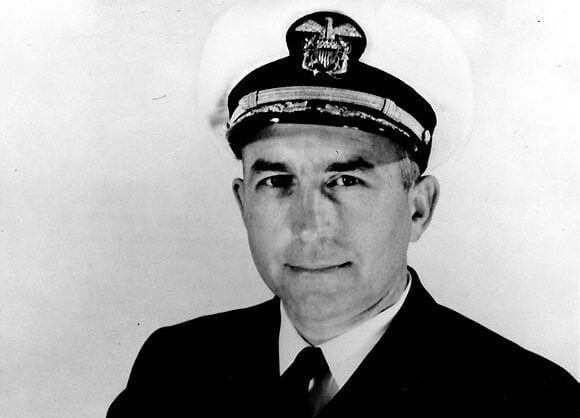


.jpg)