On This Day in 1945: B-24 Carrying Lt. Gen. Millard Harmon Vanishes Over the Pacific
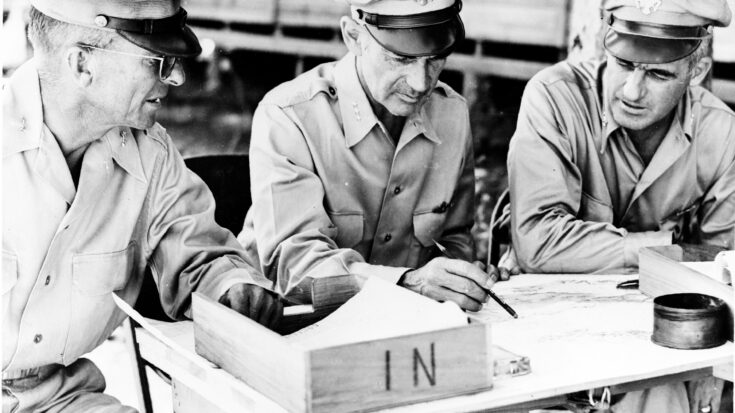
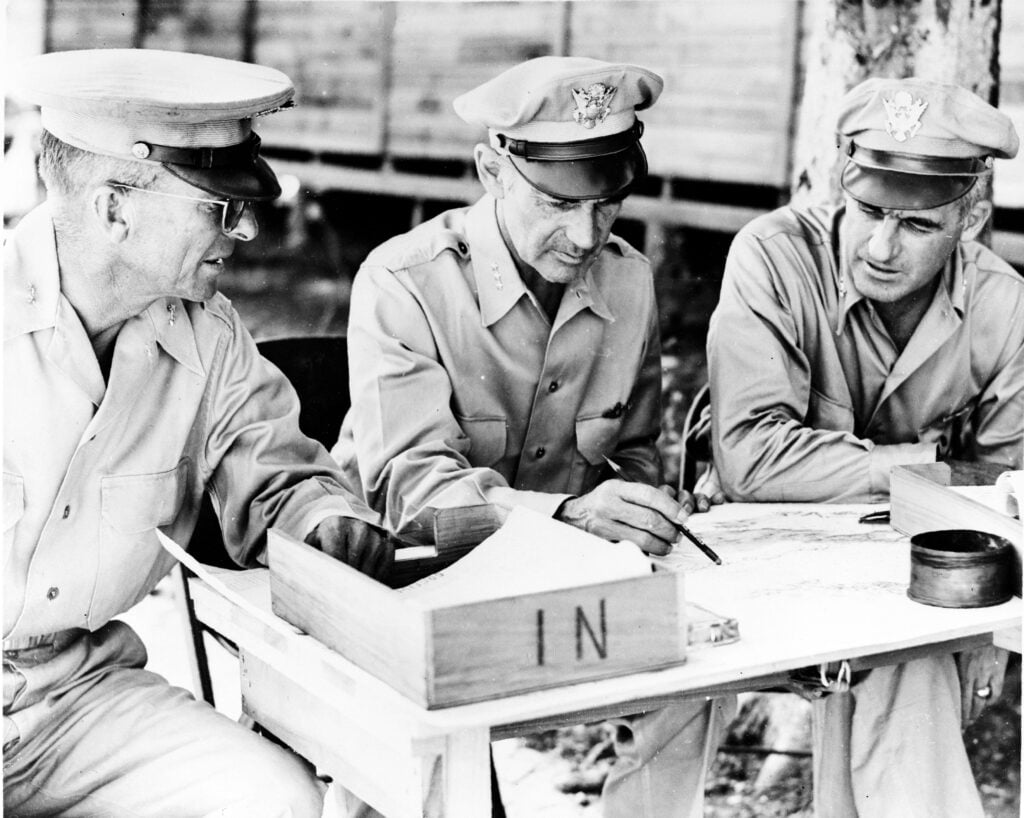
U.S. Army Air Forces, Public domain, via Wikimedia Commons
In the final months of World War II, as Allied forces closed in on Japan, a senior American air commander vanished without a trace. On February 26, 1945, a B-24 Liberator carrying Lieutenant General Millard Harmon disappeared over the Pacific Ocean. Despite search efforts that covered thousands of miles, no wreckage or survivors were ever found.
Harmon was one of the highest-ranking American officers to be lost in the war. At the time of his disappearance, he commanded the U.S. Army Air Forces in the Pacific Ocean Areas. His loss came at a moment when air power played a central role in the campaign against Japan, with bombing missions increasing and plans for future operations already under discussion.
The Flight Into Open Water
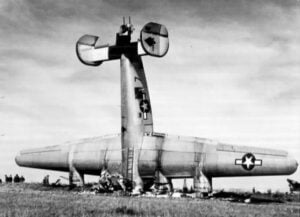
On that February day, Harmon boarded a Consolidated B-24 Liberator for a routine flight from Guam to Hawaii. The aircraft also carried Brigadier General James R. Andersen and nine other men, making a total of eleven people on board. The B-24 was widely used during the war for long-range missions, transport duties, and bombing operations across both Europe and the Pacific.
The flight began without signs of trouble. Weather reports indicated scattered storms along parts of the route, but nothing unusual for the region. At some point during the journey, radio contact was lost. No distress signal was received. When the aircraft failed to arrive in Hawaii as scheduled, concern quickly grew among military officials.
Search planes and ships were dispatched to comb the vast ocean between Guam and Hawaii. Crews scanned the water for oil slicks, floating debris, or life rafts. The Pacific, however, is immense and often unforgiving. Despite days of searching, no trace of the Liberator or its passengers was ever located. The sea kept its silence.
A Senior Commander Lost
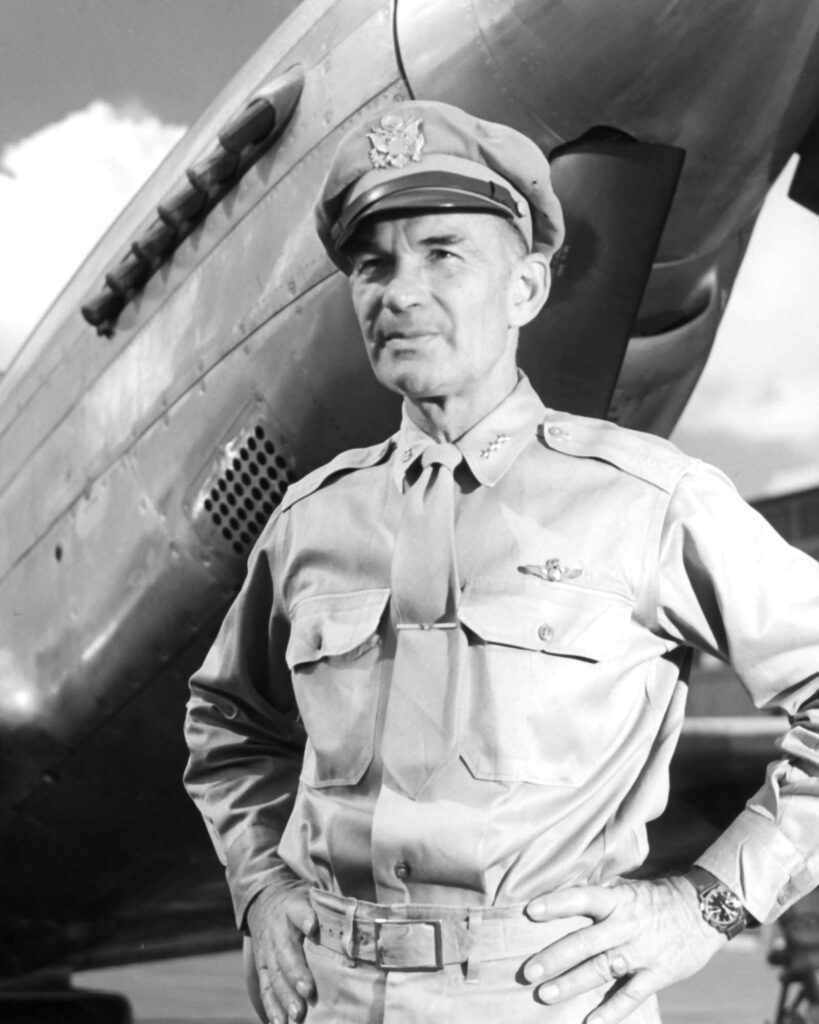
Millard Harmon had played an important role in organizing and directing air operations across the Pacific. He previously served in Europe and later became a key figure in building air strength in the island campaigns. As commander of Army Air Forces units in the Pacific Ocean Areas, he oversaw aircraft, crews, supply lines, and planning for ongoing strikes against Japanese targets.
Brigadier General James R. Andersen was also an experienced officer. He had held command positions in the Pacific and was involved in administrative and operational duties that supported expanding air campaigns. Both men were traveling on official business when the aircraft vanished. Their absence was felt across the command structure, especially at a time when coordination between air and ground forces was critical.
The loss raised many questions. Investigators considered possible causes such as mechanical failure, sudden weather changes, navigation error, or fuel problems. The B-24 was known for its long range, but flights over open ocean left little room for recovery if something went wrong. Without wreckage or recorded distress calls, no final answer could be confirmed.
Legacy of an Unsolved Disappearance
Harmon was officially declared missing in action and later presumed dead. His name was added to memorials honoring those lost in service. In the years after the war, facilities and institutions were named in his memory, including Harmon Air Force Base in Newfoundland. Andersen was also honored for his service, with Andersen Air Force Base on Guam bearing his name.
The disappearance remains one of the unresolved mysteries of World War II aviation. The Pacific Ocean has claimed many aircraft over the decades, often leaving families without clear answers. For the relatives of the eleven men aboard that Liberator, the absence of evidence meant there was no site to visit, no confirmed account of their final moments.
Even today, researchers and historians continue to review wartime records, flight logs, and weather reports in hopes of understanding what may have happened. Advances in underwater search technology have led to the discovery of other lost aircraft, yet the B-24 that carried Harmon and Andersen has never been found.