On This Day in WWII (1941): 222 British Bombers Strike Hanover While 43 Hit Rotterdam in Major Night Raids
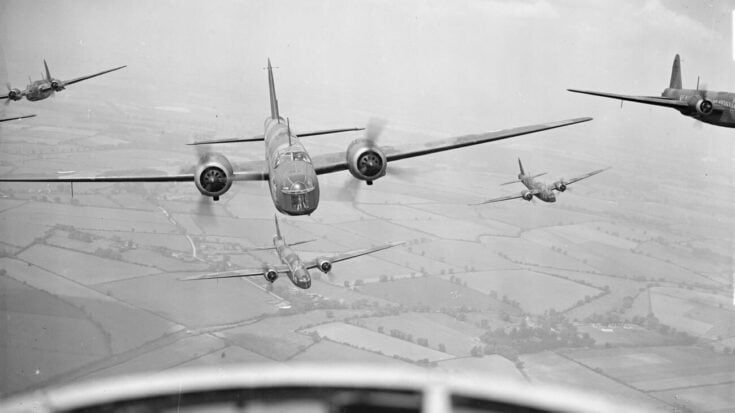
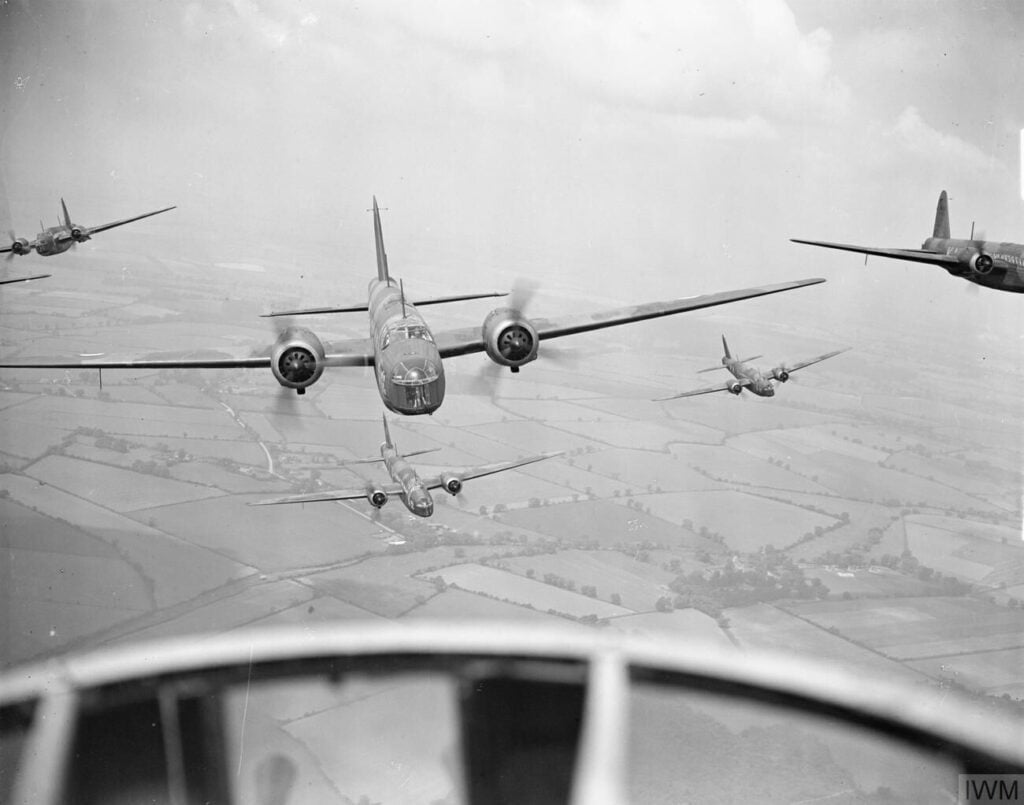
RAF photographer, Public domain, via Wikimedia Commons
During the night of February 10–11, 1941, the Royal Air Force carried out one of its larger bombing efforts of the early air war. Bomber Command sent hundreds of aircraft across the North Sea toward targets in German-occupied Europe. The main weight of the attack fell on the city of Hanover, while a smaller but important force struck oil facilities in Rotterdam. These operations reflected Britain’s growing effort to carry the war into enemy territory through sustained night bombing.
Planning a Large Night Operation
By early 1941, Britain stood alone in Western Europe and relied heavily on air power to strike back. Bomber Command focused on night raids to reduce losses from fighters and ground defenses. For the February mission, planners selected Hanover as the primary target because of its rail yards, factories, and role as a transport center linking northern and central Germany.
A total of 222 bombers were assigned to the Hanover raid. Most were twin-engine aircraft such as the Wellington, Whitley, and Hampden. These crews flew long hours in darkness, using basic navigation tools and limited radio aids. Weather forecasts suggested broken cloud over parts of Germany, which could help conceal the bombers but also made accurate bombing more difficult.
The Attack on Hanover
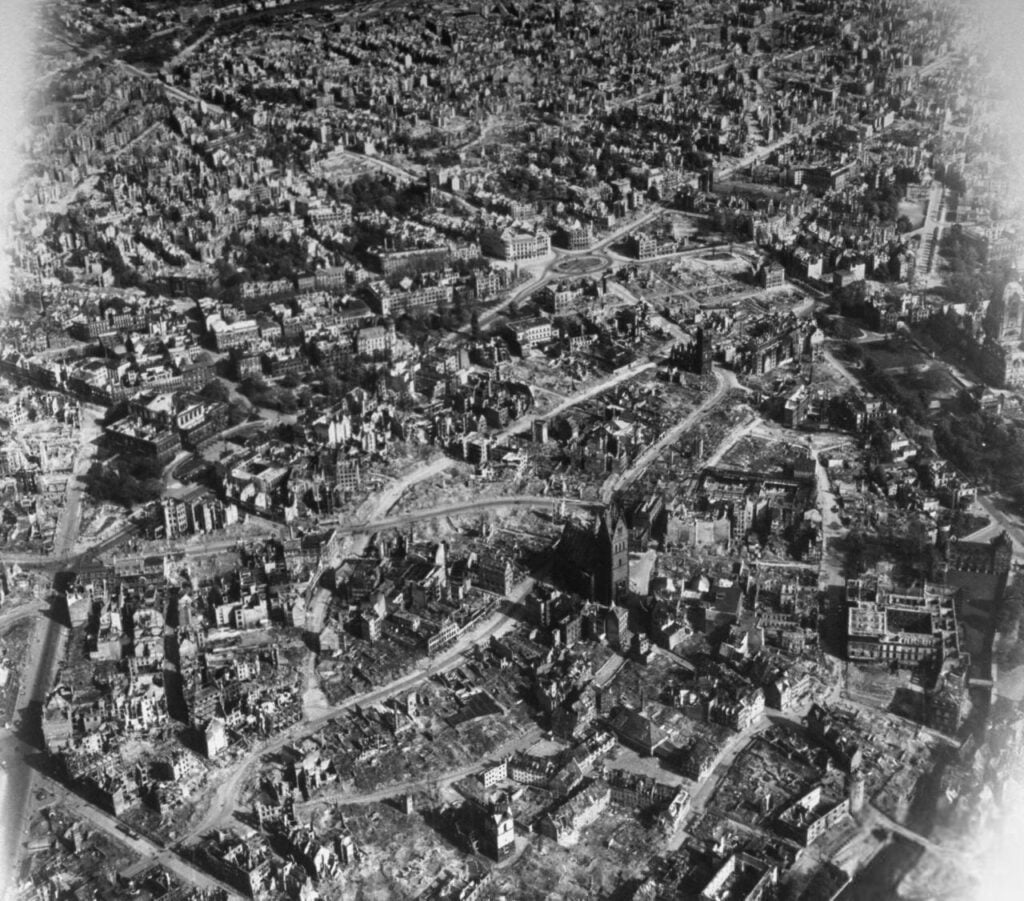
The main force crossed the coast and approached Hanover from several directions to spread out German defenses. Bombs were aimed at rail facilities, industrial zones, and built-up areas connected to war production. Crews reported fires and explosions across the city, though later analysis showed that bombing accuracy varied widely, a common problem in early night operations.
German air defenses responded with searchlights and anti-aircraft fire. Night fighters were also active, guided by ground control. Despite these threats, most aircraft completed their missions and turned back for England. Seven British bombers failed to return from the Hanover operation, a loss rate that Bomber Command considered heavy but acceptable given the scale of the attack.
A Separate Strike on Rotterdam
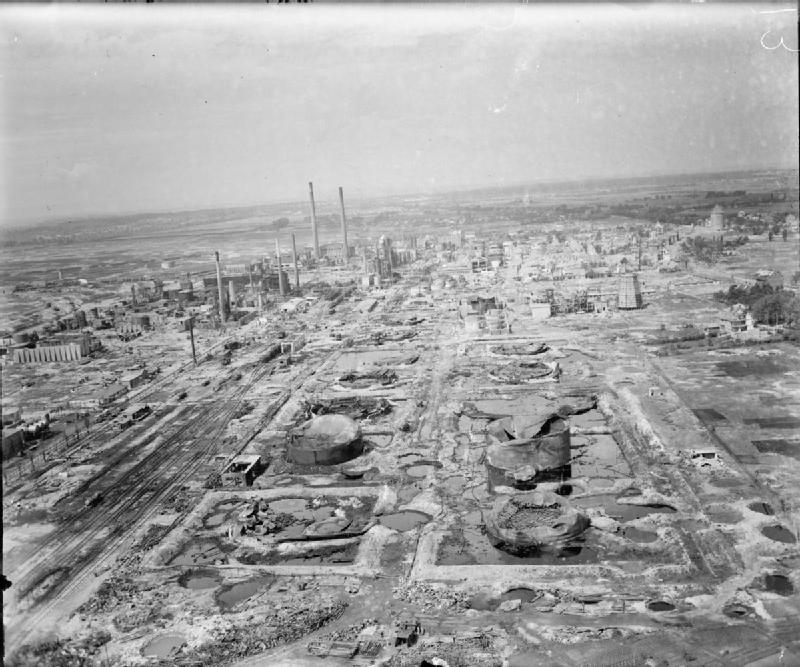
At the same time, a smaller force of 43 British bombers flew toward Rotterdam. This city, already damaged earlier in the war, remained an important port and fuel storage center under German control. The target for this raid was oil storage tanks, which supplied fuel for shipping and military use.
The Rotterdam crews faced similar challenges of navigation and weather. Their goal was to ignite large fuel fires that would disrupt supply lines and force repair efforts. Reports from returning crews described several fires in the dock area, suggesting that at least part of the attack reached its intended target. Losses from this group were lower than those over Hanover.
Assessing Results and Losses
After the raids, Bomber Command gathered reports from crews and intelligence sources. While damage was confirmed in both cities, the true impact on German war production remained hard to measure. Night bombing in 1941 lacked the precision that later technology would provide, and many bombs fell outside their planned areas.
Still, these raids had value beyond physical damage. They forced German authorities to strengthen air defenses and spread resources across many cities. For British crews, each large operation added experience and tested tactics that would later be refined. The loss of seven aircraft over Hanover was a reminder of the risks, but it did not slow the overall pace of bombing.
Place in the Air War
The February 10–11 raids showed how Bomber Command was expanding its reach. Sending more than 200 aircraft against a single German city marked a step toward the mass raids that would come later in the war. The parallel strike on Rotterdam also showed how British planners aimed to hit fuel supplies and transport links whenever possible.
For the airmen involved, the night was a mix of fear, routine, and duty. Crews trusted their training and their aircraft as they flew across hostile territory in darkness. These operations, repeated night after night, formed the backbone of Britain’s air effort in 1941 and shaped the long bombing campaign that followed.