

On This Day in WWII (1941): RAF’s Short Stirling Makes Operational Debut in Attack on Rotterdam
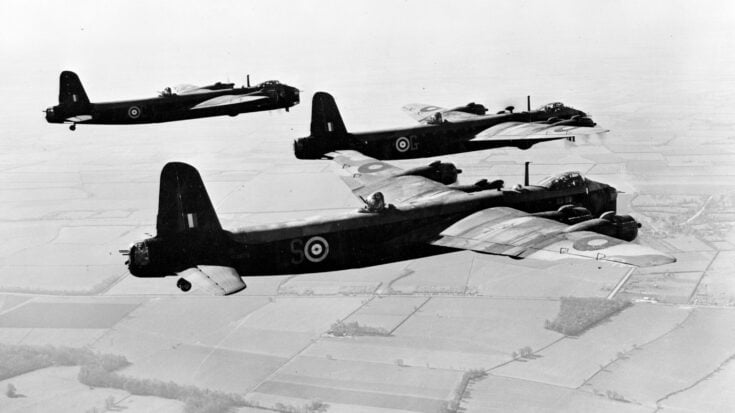
Image source: British Ministry of Information (BRO 94230).Transfer; United States. Office of War Information. Overseas Picture Division. Washington Division; 1944. Modified by User:Andro96, Public domain, via Wikimedia Commons
On the night of February 10–11, 1941, the Royal Air Force flew a historic mission from bases in England over the Netherlands. For the first time in the Second World War, a British four-engine bomber took part in an operational raid. Three Short Stirling Mk I aircraft from No. 7 Squadron joined a larger force in an attack on oil storage tanks near the Dutch port of Rotterdam. All three returned safely after dropping their bombs, marking a new chapter in RAF Bomber Command operations.
The Birth of a Heavy Bomber
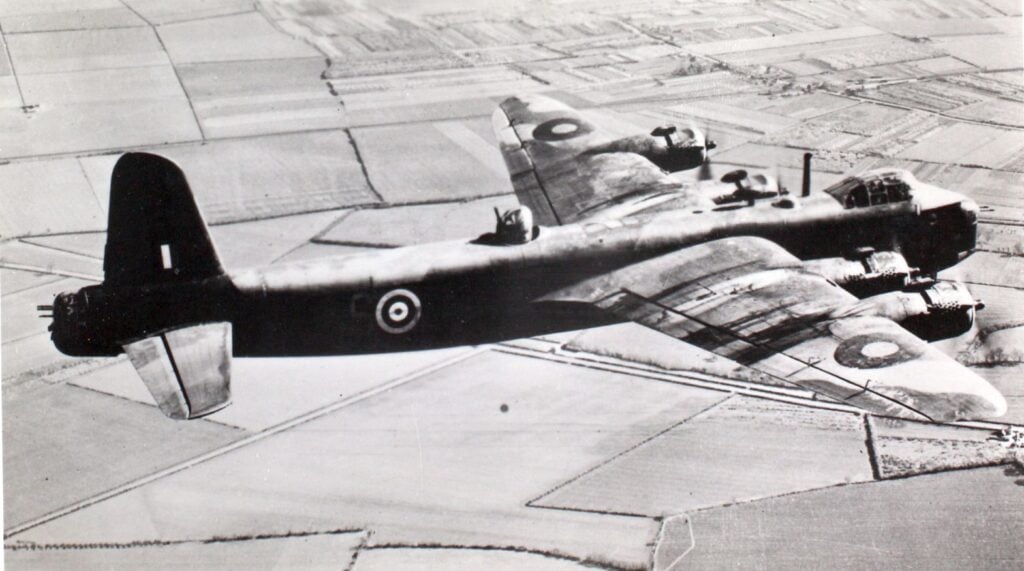
The Short Stirling was the first four-engined bomber to enter service with the RAF during the Second World War. Designed in response to the Air Ministry’s call for a long-range bomber in the late 1930s, it took flight in prototype form in 1939 and finally reached operational status in early 1941 after months of testing and crew training. Deliveries began in August 1940, and No. 7 Squadron was the first unit to receive the new aircraft type.
The crew had to learn how to handle this much larger aircraft, which was a step up in size and complexity from the twin-engine bombers that many crews were used to flying. With four engines and a larger bomb load, the Stirling promised greater range and the ability to carry heavier weapons. By the time of its first mission, crews had spent weeks preparing for combat operations with the new bomber.
Planning the Rotterdam Raid
The target on February 10–11 was a group of oil storage tanks located near Vlaardingen, close to Rotterdam in the German-occupied Netherlands. Rotterdam was an important port and industrial area, and facilities there were vital to the German war effort. The RAF planned a night raid in which many bombers would take part, with the Short Stirlings joining forces with more familiar aircraft types to strike the fuel installation.
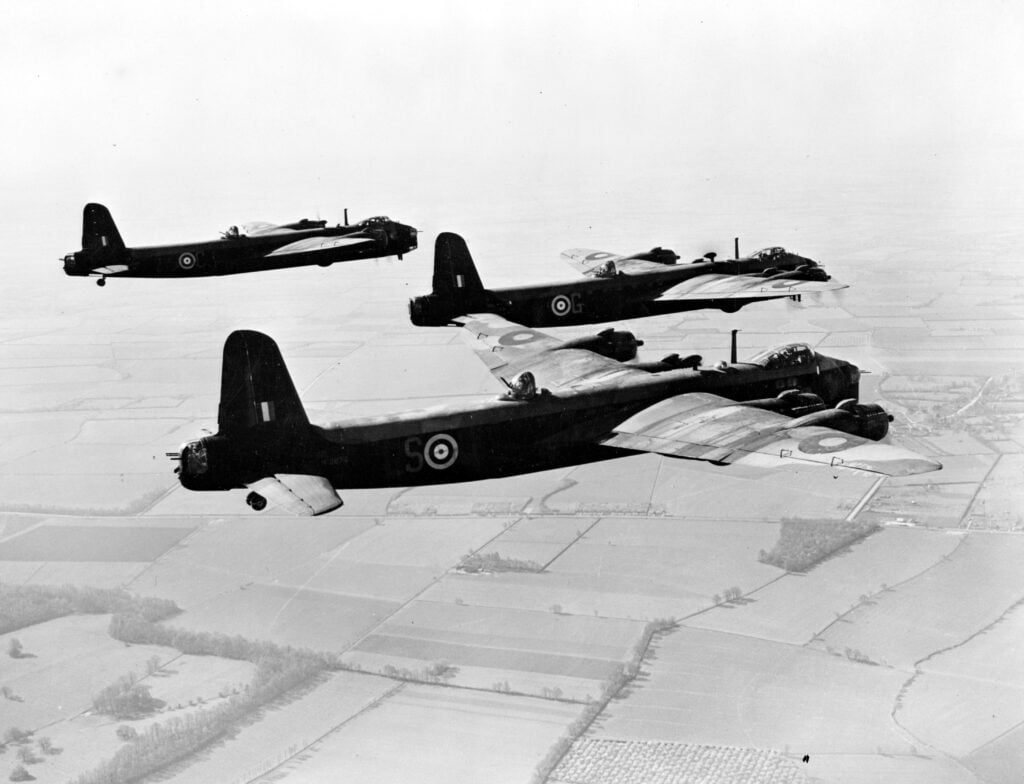
Three Stirling Mk I bombers from No. 7 Squadron were assigned to drop their bombs on the target. They were part of a larger force of around forty aircraft, each carrying tons of explosive to damage the oil tanks that fed fuel to the war machine on the European continent. The night raid required careful navigation over water and enemy territory before the bombers reached the target and returned to their bases in England.
The First Operational Mission
As the aircraft took off from their base at RAF Oakington in Cambridgeshire, crews were aware they were part of a historical moment. The Short Stirlings climbed into the night sky with the rest of the Bomber Command force and made their way across the North Sea toward the Netherlands. At the time, night bombing over occupied territory was still a new and dangerous task for many crews.
The bombing runs over the oil storage tanks were carried out without major incident, and all three Stirlings returned to England at the end of the mission. For the crews and their commanders, this success proved that the new four-engined bomber could operate in combat conditions and deliver its bomb load accurately. In this first mission, the Stirling carried a total of about 24,000 pounds of bombs, showing its usefulness compared to older aircraft that would have needed twice as many machines to drop the same tonnage.
After the Debut
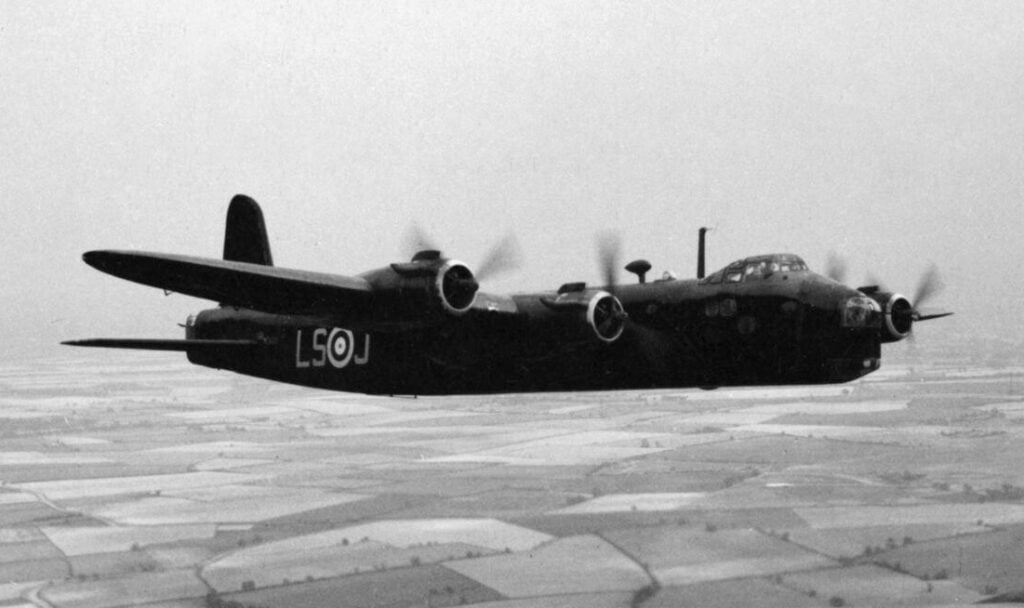
After February 1941, the Short Stirling became a regular member of Bomber Command’s force. It was soon joined by other heavy bombers, and by mid-1942 more squadrons were flying Stirlings. Although later designs like the Avro Lancaster and Handley Page Halifax would take over much of the bombing effort because they could fly higher and carry heavier loads, the Stirling remained a key bomber in the early years.
No. 7 Squadron continued to operate the Stirling in raids over Europe, including participating in large raids on German industrial targets. The aircraft’s service record also included pioneering roles such as carrying the new GEE navigational aid to improve bombing accuracy. While the bomber’s design limited its full potential at high altitudes, crews appreciated its handling and reliability once they learned its characteristics.
Broader Impact on the Air War
The Short Stirling’s first mission was a symbol of growth in British air power during the Second World War. It marked the RAF’s early steps toward a heavy bomber force that would play a significant role in the strategic air campaign against German-occupied Europe. From Rotterdam to later missions over Germany, its use helped expand the reach and weight of Bomber Command’s operations as the war continued.



.jpg)
