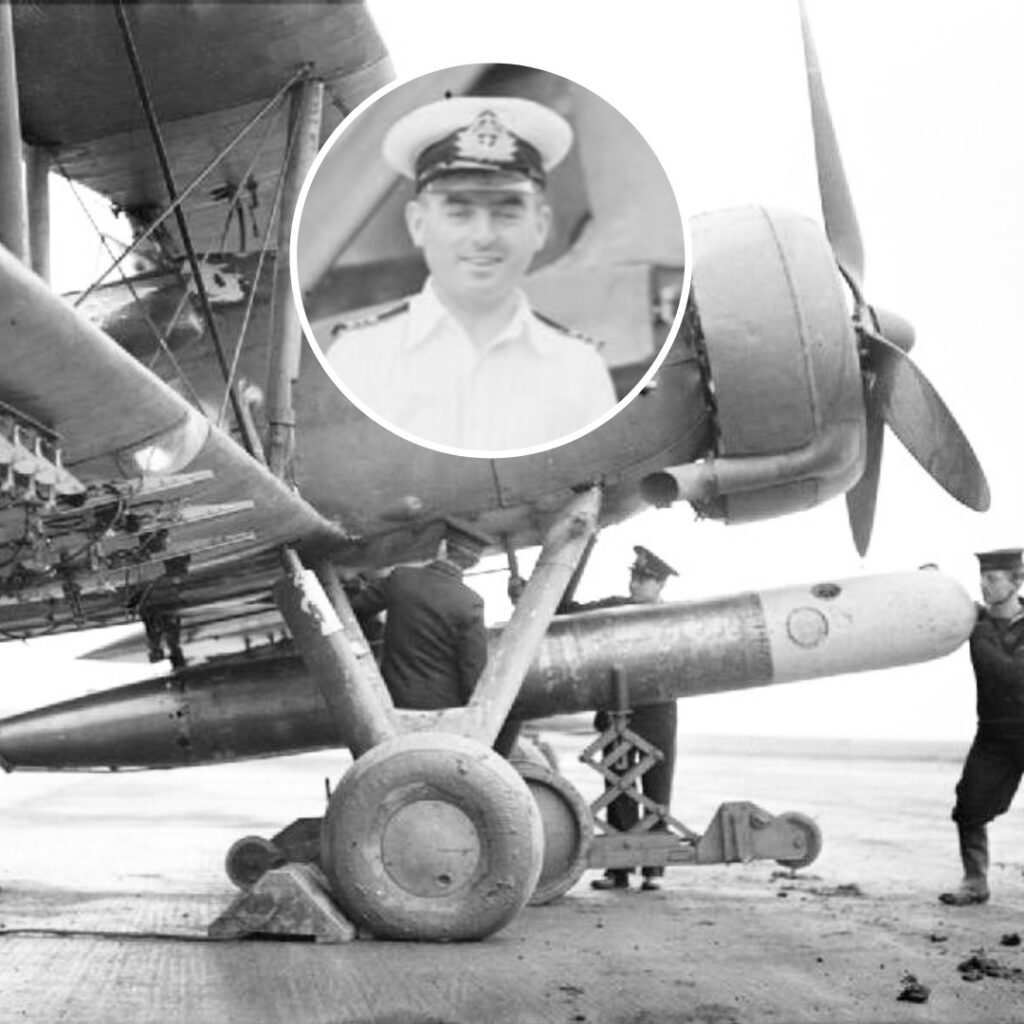
On This Day in WWII (1942): Lt. Cmdr. Eugene Esmonde Leads 825 Squadron in Sacrificial Assault
War History Online / Facebook
On February 12, 1942, a small group of British naval aviators took off into the skies over the English Channel in one of the most daring attacks of the Second World War. Six Fairey Swordfish torpedo bombers from 825 Naval Air Squadron, led by Lieutenant Commander Eugene Esmonde of the Royal Navy’s Fleet Air Arm, were ordered to strike at a powerful German battle fleet steaming through the Straits of Dover. The mission occurred during the German fleet’s daytime breakout from Brest, known as the Channel Dash, and would become a striking example of courage under overwhelming odds.
At the time, the German battlecruisers Scharnhorst and Gneisenau, accompanied by the heavy cruiser Prinz Eugen, were attempting to return to German home ports after months at Brest. They were supported by destroyers, torpedo craft, and a substantial air escort. The British response was hurried and imperfect. Radar and coastal defenders struggled to track the fleet as it moved through the Channel before midday, and warnings reached commanders only shortly before the fleet’s passage.
A Squadron Called to Action
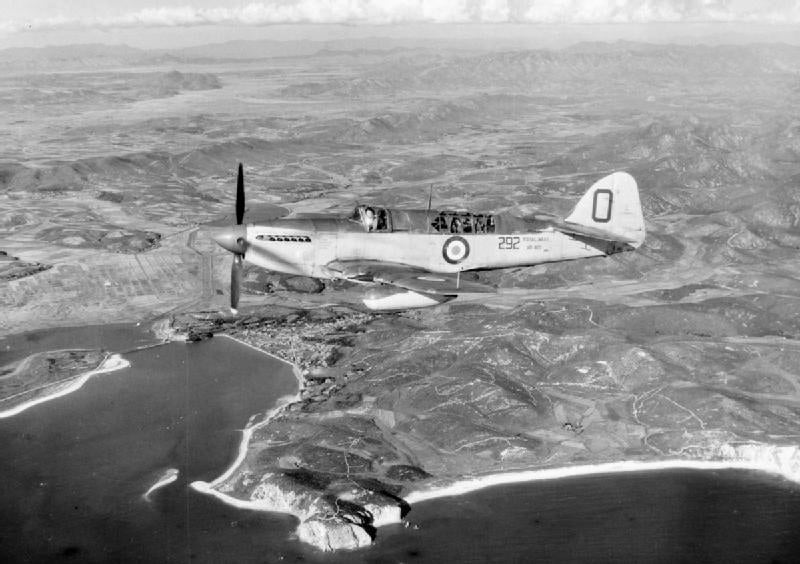
825 Naval Air Squadron, normally equipped for night attack duties, had been based at RAF Manston in Kent and prepared for possible action. The Fairey Swordfish was an older biplane design, with fabric-covered wings and slow speed, but it remained capable of carrying torpedoes or bombs and had seen successful action earlier in the war. Esmonde himself was an experienced pilot and leader, having recently received the Distinguished Service Order for earlier action against the German battleship Bismarck.
In the hours before the attack, fighter cover was promised from several Royal Air Force Spitfire squadrons. However, coordination proved difficult, and only one of the planned squadrons was able to rendezvous with the Swordfish. With time pressing and the German ships closing the coast, Esmonde made the decision to go ahead without full fighter protection.
Into the Teeth of the Storm
Shortly after 12:25 p.m., the six Swordfish lifted off from Manston and headed out over the Channel at low altitude. Their slow cruising speed made it hard for the faster Spitfires to stay with them, and the aircraft soon faced a strong formation of German fighters. The Swordfish also came under heavy fire from the escorting ships’ anti-aircraft guns.
Despite these dangers, Esmonde pressed his formation forward. The slow biplanes, with crews of pilot, observer, and telegraphist-air gunner, continued toward the heavily armed battle group. Enemy fighters and flak from the ships damaged all of the Sea-based aircraft. Esmonde’s own Swordfish was hit, breaking part of the wing, yet he flew on in a determined attack run toward the larger warships.
In the fierce fighting that followed, none of the six Swordfish returned to base. The attack lasted only a few minutes once the aircraft reached the range of combined fire, and all were lost. Of the 18 aircrew who set out that afternoon, only five survived, and even they were wounded.
The Aftermath and Recognition
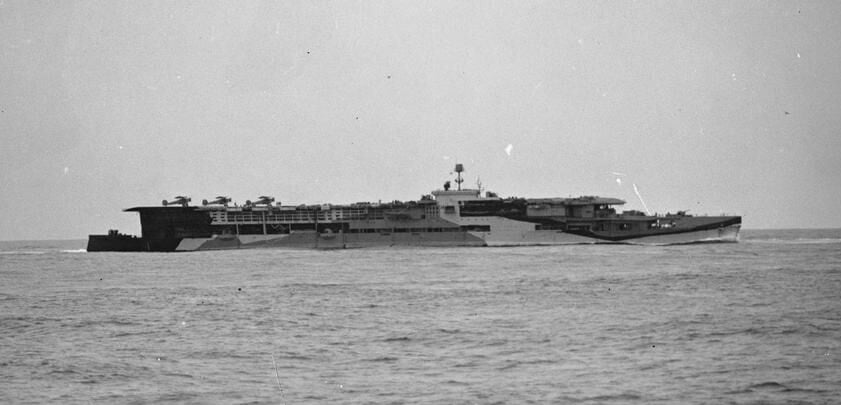
Although the torpedoes dropped by the squadron are not known to have scored any confirmed hits on the battlecruisers, the courage shown by Esmonde and his crews was widely acknowledged. In the weeks that followed, Esmonde was posthumously awarded the Victoria Cross, Britain’s highest military honour, “for valour and resolution in action against the Enemy” during the attack on the Channel fleet. Four of the surviving aircrew received the Distinguished Service Order, and others earned gallantry awards.
The attack by 825 Naval Air Squadron took place against a backdrop of broader Allied efforts that day, including attempts by Royal Navy destroyers and other aircraft to engage the German force. Weather and communication difficulties complicated the response, and many of these efforts failed to stop the breakout. Even though the German ships made it to ports in Germany, Scharnhorst, Gneisenau and Prinz Eugen later struck mines in the North Sea during their return trip.
Over decades, the Channel Dash and the attack by Esmonde’s Swordfish have been remembered at memorial services and through published histories. The sacrifice of the 825 Squadron crews remains one of the most striking episodes of small-unit courage against superior force in the air war over Western Europe.