

On This Day in WWII (1943): the RAF Launched Its First Daylight Bombing Raid on Berlin
Royal Canadian Air Force official photographer, Public domain, via Wikimedia Commons
On January 30, 1943, the Royal Air Force carried out its first daylight bombing attack on Berlin. It was not just another mission in the long air war over Europe, but a striking moment in which British aircrews flew directly to the heart of Germany in full daylight. This bold move involved fast and agile de Havilland Mosquito aircraft. The raid was planned to coincide with major public addresses in the German capital, adding political pressure and challenging the idea that Berlin could not be reached by aircraft in daylight.
The Aircraft and the Plan
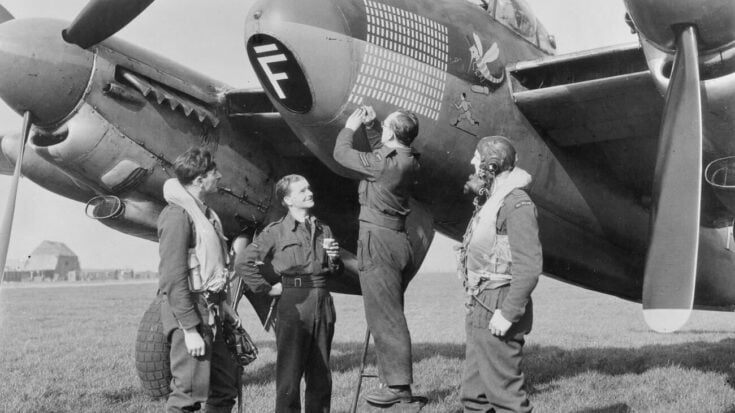
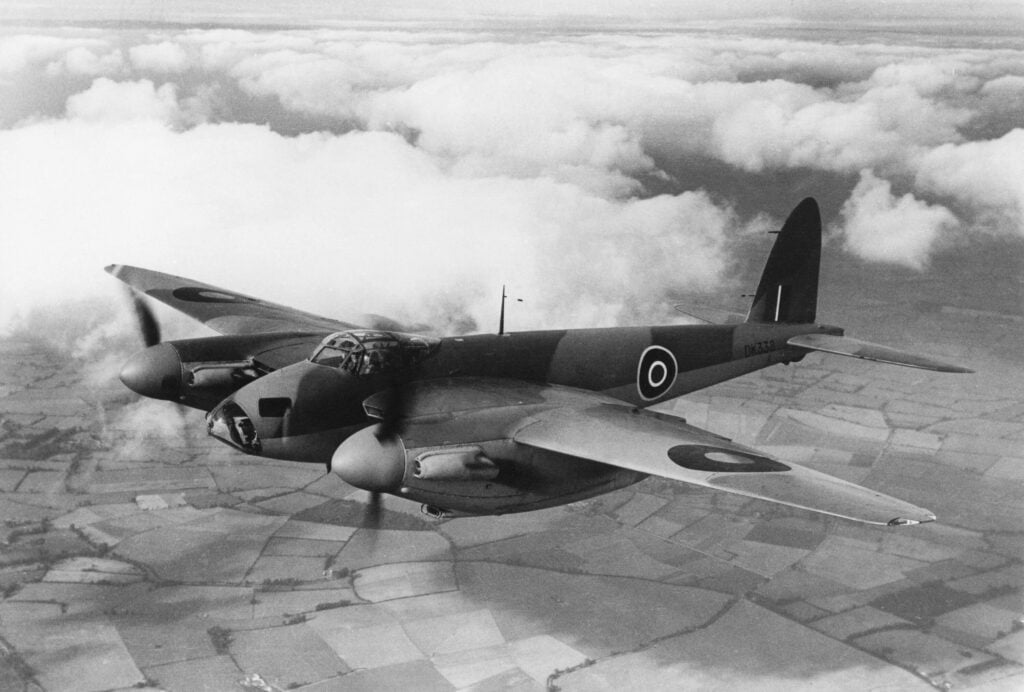
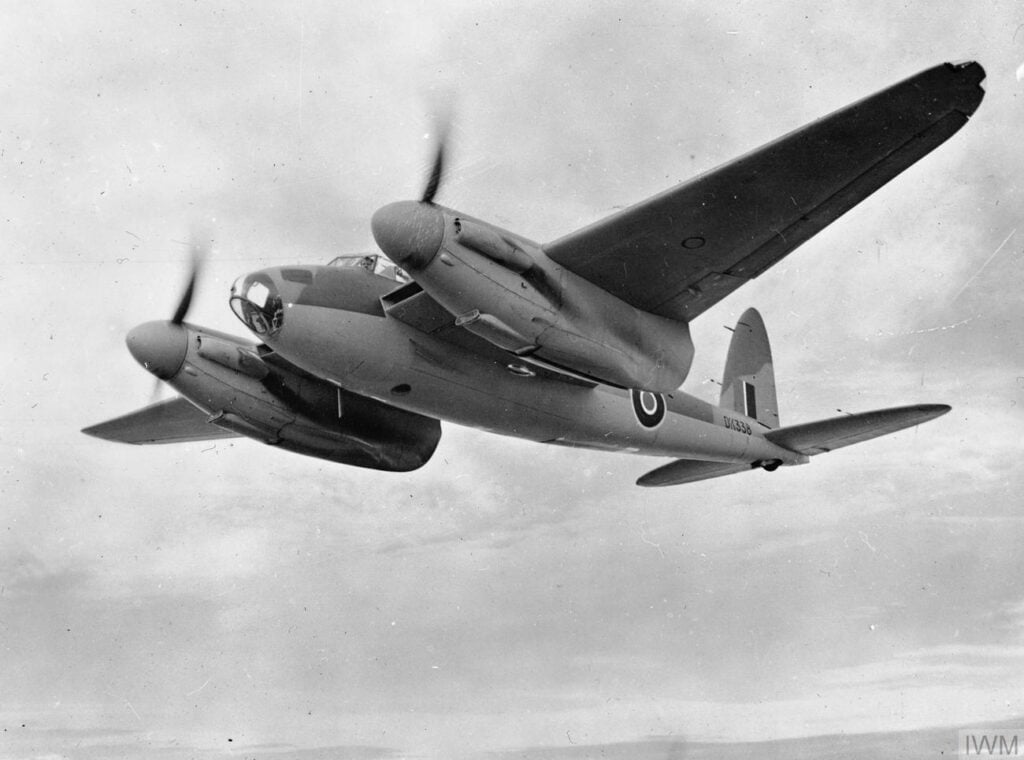
The planes chosen for the mission were the de Havilland Mosquito bombers. These aircraft were built mostly of wood and were prized for their high speed, light weight, and ability to fly at high altitude. Their design let them outrun most defenders and gave crews a better chance of returning safely after dropping their bombs. This raid would put their capabilities to the test as they crossed hundreds of miles of enemy-held airspace.
The operation was linked to an important date in German politics. Leaders in Berlin were scheduled to make speeches that would be broadcast live on the radio. British planners chose this moment on purpose, hoping that flying over the city in sunlight would make a strong statement about air power and reach deep into German morale.
The Morning Attack
Early in the morning, three Mosquito B Mk. IV aircraft from No. 105 Squadron took off from RAF Marham in England. The crews flew low over the North Sea and then climbed to the planned altitude as they neared Berlin. They arrived over the city at exactly 11 a.m., just as one of the scheduled broadcasts was to begin.
As they reached their target, the sound of their engines and the explosions that followed broke into the broadcast signal. Radio engineers in Berlin quickly cut off the live feed as air raid sirens and anti-aircraft guns sounded. For more than an hour, the scheduled address was delayed while technicians scrambled to restore transmission. This moment exposed the vulnerability of the city’s air defenses in broad daylight.
The Afternoon Strike
Later the same afternoon, another group of Mosquito aircraft from No. 139 Squadron set out on a similar flight to Berlin. This second formation had the same goal: to interrupt a major speech that was set to take place in one of Berlin’s large indoor arenas. The pilots faced more alert ground defenses this time, as anti-aircraft guns were already on watch after the earlier attack.
Despite the heightened defenses, the Mosquitoes reached their target area at the planned moment. While the bombing did not cause large-scale destruction, the noise of engines and explosions was heard during the speech. This showed that even a well-defended capital was not immune to attack during daylight hours.
Losses and Aftermath
The afternoon raid came at a cost. One of the Mosquito aircraft was hit by anti-aircraft fire on its way home and did not return. The two crew members on board were killed when their plane went down. This was a sober reminder of the dangers faced by aircrews on long flights deep into enemy territory.
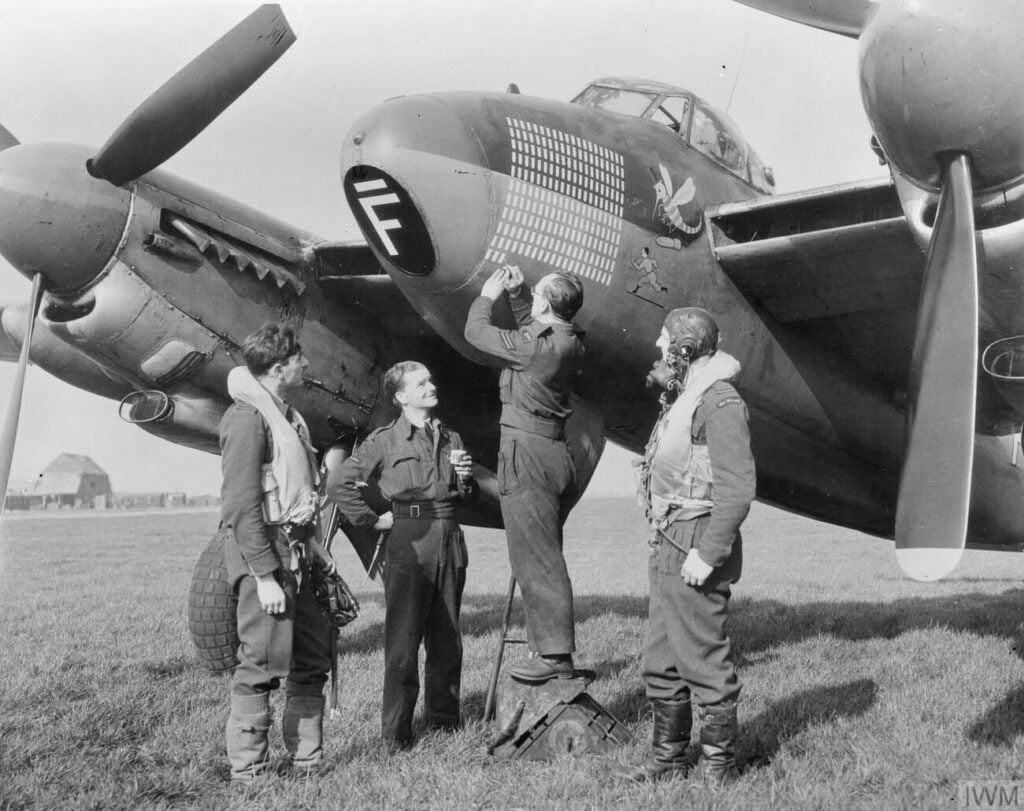
The other aircraft from both the morning and afternoon missions managed to return to their base in England. The pilots and navigators were later recognized for the skill and courage shown in carrying out these precise daylight flights. The raid showed that speed, careful planning, and aircraft performance could allow air forces to strike at unexpected times and places.
Impact on the Air War
This daylight operation over Berlin marked a change in how air forces thought about attacking targets in the heart of Europe. Before this, most long-distance raids by the RAF were done at night. By using fast aircraft like the Mosquito in daylight, planners broadened the range of tactics available to them. It also challenged the belief held by some leaders that their capital was safe from enemy air attack in daylight.
The raid was recorded in aviation history not just for its daring route and timing, but for the way it mixed military planning with psychological pressure. By striking on a day of political significance, the mission carried meaning beyond the bombs dropped. It reminded both sides that control of the skies was a key aspect of the wider conflict then raging across Europe.








.jpg)
